Senegal Speaker Resigns as Rift Between Faye and Sonko Deepens
The resignation of Speaker El Malick Ndiaye clears the path for Sonko to challenge President Bassirou Diomaye Faye’s authority, complicating the administration’s reform agenda amid a crumbling governing alliance.
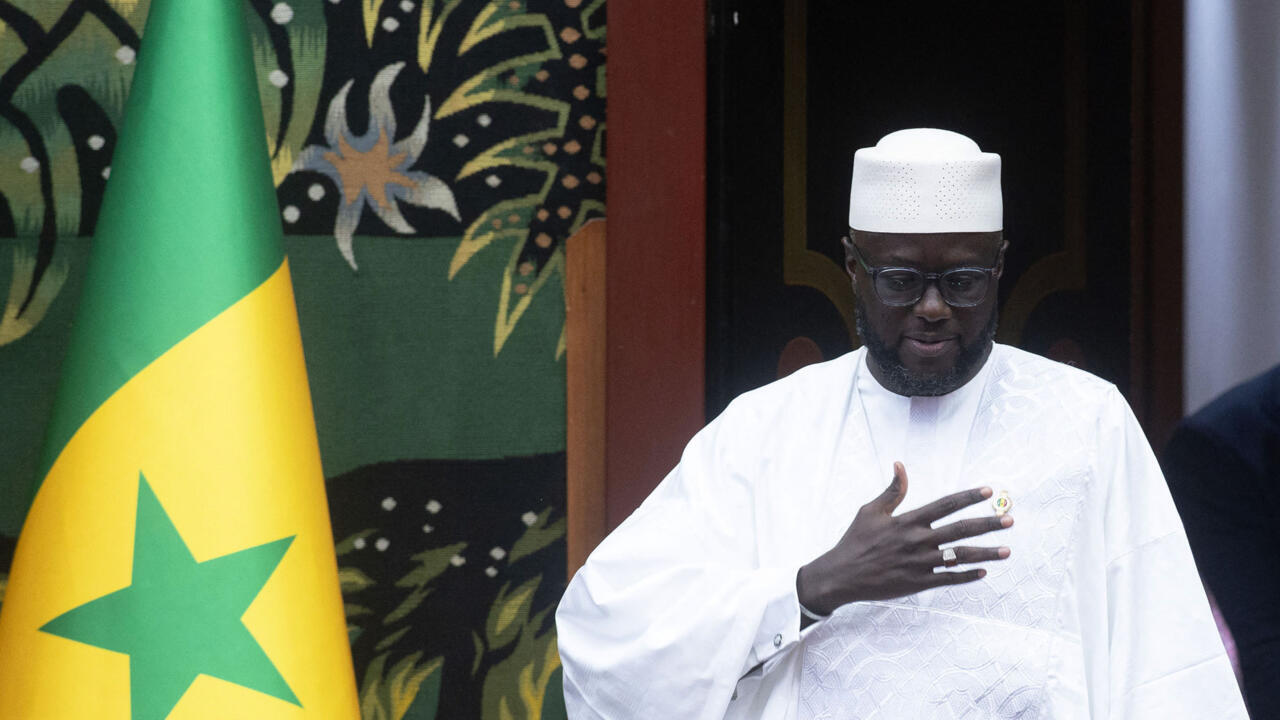
El Malick Ndiaye, the speaker of Senegal’s parliament, resigned on Sunday, two days after President Bassirou Diomaye Faye dismissed Prime Minister Ousmane Sonko. The move has significantly deepened a political crisis in the West African nation, creating a direct challenge to the president’s authority as Sonko prepares to run for the position of head of parliament.
Sonko’s Pastef party holds a strong legislative majority, a fact that underpins the strategic nature of the speaker’s departure. An official document published late Sunday confirmed that deputies have been summoned for a full assembly session on Tuesday morning. The agenda includes reinstating Sonko as a member of parliament and voting for a new speaker, a process that could further complicate President Faye’s efforts to implement his reform agenda.
The dismissal of Sonko on Friday followed months of public tensions between the two leaders. Sonko, who was instrumental in Faye’s rise to the presidency but was previously barred from running due to a defamation conviction, has become increasingly vocal in his criticism. He has accused Faye of a "failure of leadership" for not adequately defending him against critics and for the slow pace of legal action against senior figures from the previous government of former President Macky Sall.
Disagreements between the president and the former prime minister also centre on economic policy, specifically how to tackle Senegal’s high national debt. Hours after Sonko’s sacking, hundreds of supporters gathered outside his Dakar home to demonstrate their allegiance. As the uncontested leader of Pastef, Sonko retains significant political capital, raising questions about Faye’s ability to govern without the assured support of the ruling party.
The political landscape is further complicated by recent legislative changes. A reform of the electoral code approved by parliament a few weeks ago has made Sonko eligible to run for the presidency, raising the possibility of a future electoral contest between the two former allies. Meanwhile, Faye must now name a replacement prime minister, a choice that parliament must approve within three months. The president cannot dissolve parliament until November, two years after the last parliamentary election.