Senegal reverses policy to endorse former president Sall for UN secretary-general
The shift marks a significant departure from the Faye administration’s previous stance, which cited allegations of political repression and economic data manipulation during Sall’s tenure.
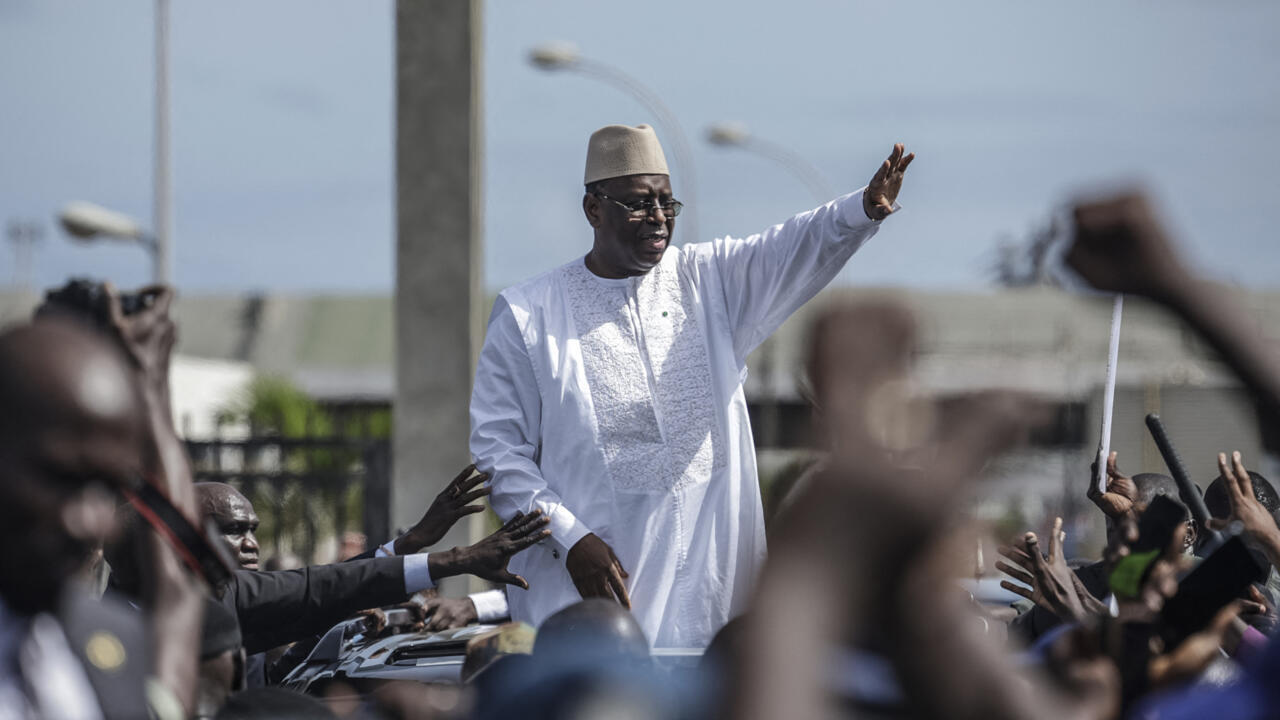
The Senegalese government announced on Monday that it would fully support former president Macky Sall’s candidacy to replace United Nations Secretary-General Antonio Guterres. This decision represents a substantial policy reversal by the administration of current president Bassirou Diomaye Faye, which had previously refused to endorse Sall due to serious allegations regarding his time in office.
The change in position follows a meeting between President Faye and Sall in Dakar over the weekend. Sall arrived in the capital on Friday for his first visit since leaving office and relocating to Morocco. During their encounter, Sall updated the sitting president on his bid, which was nominated by Burundi on behalf of the African Union.
The Senegalese Foreign Ministry stated that President Faye had instructed the government and the entire Senegalese diplomatic network to promote Sall’s candidacy among United Nations member states. The ministry described the bid as “now that of Senegal,” arguing that it would benefit Africa and promote more effective multilateralism.
This endorsement stands in stark contrast to the position held by the Faye administration earlier in the year. The previous government declined to support Sall, accusing him of violent political repression that resulted in dozens of deaths during his final years in power, as well as allegations of covering up unfavourable economic data. Approximately 20 African Union member states, including Senegal initially, had refused to back the nomination when it was first proposed.
Sall served as president of Senegal from 2012 to 2024. His return to Dakar was welcomed by thousands of supporters, though it also drew criticism from detractors who continue to demand accountability for the deaths that occurred during his tenure. President Faye assumed office in 2024 on a wave of anti-Sall sentiment, making the current policy shift a notable development in Senegalese foreign policy.