Senegal PM accuses West of ‘tyranny’ as anti-LGBTQ laws take effect
The government’s stance coincides with increased arrests in Dakar and sharp criticism from UN officials and human rights groups.
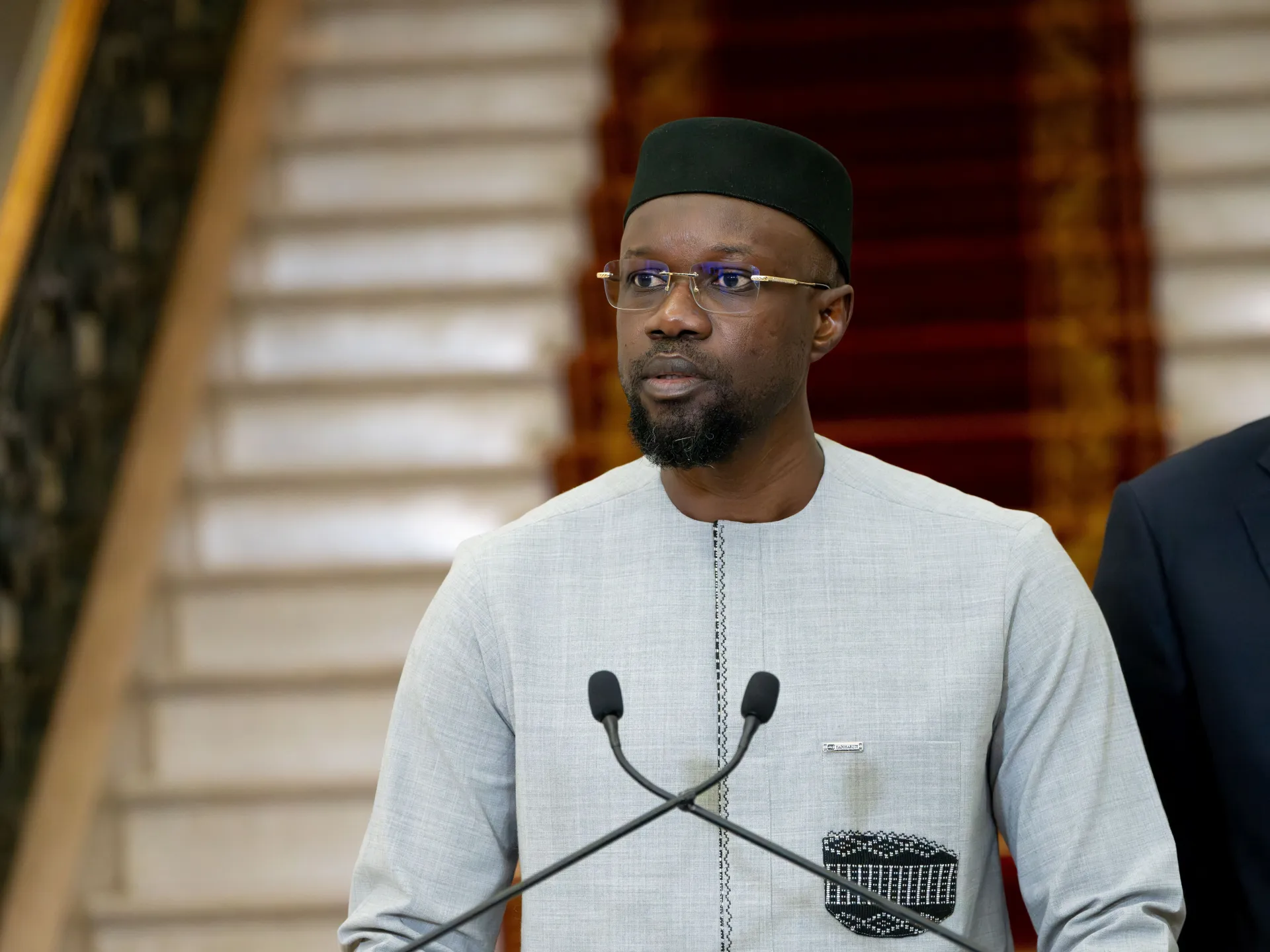
Senegal’s Prime Minister Ousmane Sonko has defended new legislation targeting the LGBTQ community, accusing Western nations of attempting to impose homosexuality on the African nation. Addressing the National Assembly on Friday, Sonko characterised the push for LGBTQ rights as a form of tyranny driven by media control and resource dominance.
“There is a kind of tyranny. There are eight billion human beings in the world, but there is a small nucleus called the West which, because it has resources and controls the media, wants to impose it [homosexuality] on the rest of the world,” Sonko said.
The comments come as the new laws, which came into effect in late March, face intense scrutiny. The legislation doubles the prison sentence for same-sex sexual acts from five to 10 years. It also criminalises the financing of same-sex relationships and prohibits the “glorification of unnatural acts,” a provision that covers the promotion of or engagement in homosexual acts.
United Nations Human Rights chief Volker Turk had previously urged President Bassirou Diomaye Faye to veto the bill. Turk warned that the law exposes individuals to hate crimes, abuse, arbitrary arrests, and blackmail, while causing widespread discrimination in education, health, employment, and housing. He further noted that the legislation restricts the work of human rights defenders and the media.
The government’s hardline stance coincides with a rise in arrests of gay men in the capital, Dakar. In February, 12 males were detained for “acts against nature.” Following these detentions, Human Rights Watch called for the release of those arrested and urged the government to repeal what it described as discriminatory and homophobic laws.
Senegal joins a growing number of African nations that have adopted harsher anti-LGBTQ laws in recent years. Globally, 65 countries criminalise same-sex relations, with more than half located in Africa.