Senate vote exposes fractures in Republican support for Iran conflict
The 50-49 tally marks the seventh attempt to curb executive authority, highlighting growing legislative dissent despite a ceasefire and soaring domestic fuel costs.
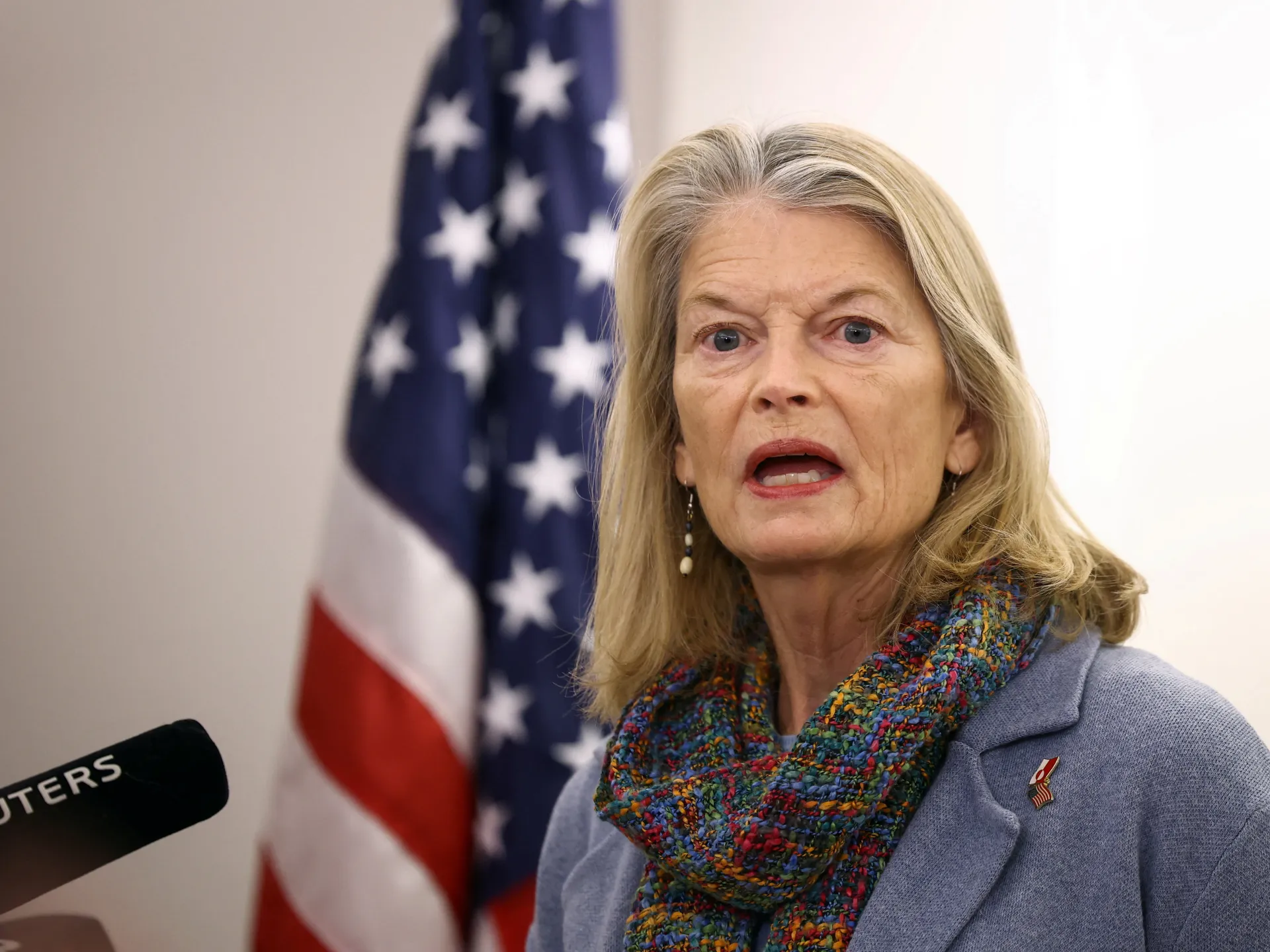
The US Senate voted 50-49 on Wednesday to advance a War Powers Resolution aimed at limiting President Donald Trump’s authority to strike Iran without congressional approval. The measure failed to pass into law, falling short of the necessary majority despite receiving the highest level of support for such a bill since the conflict began. The vote underscores deepening institutional tensions regarding the executive’s conduct of military operations abroad.
Three Republican senators—Lisa Murkowski, Susan Collins, and Rand Paul—voted in favour of the resolution, breaking with their party’s leadership. Murkowski cast her vote for the first time on this issue, while Collins, facing a competitive re-election in Maine, voted for the second time. Libertarian Senator Rand Paul joined the Democrats in seeking to restrict the president’s war authorities. Conversely, Democratic Senator John Fetterman voted against the resolution, siding with the Republican majority and effectively blocking the measure.
Senator Tim Kaine, a lead Democrat on the issue, described the vote as evidence of shifting political dynamics. He stated that colleagues were hearing increasing pressure from constituents demanding an end to what he termed a costly and unnecessary war. The War Powers Resolution of 1973, designed to curb executive overreach following the Vietnam War, has been used repeatedly by Democrats to challenge Trump’s decision to initiate hostilities without explicit congressional authorisation.
The legislative push occurs against a backdrop of significant economic strain and public uncertainty. A Reuters/Ipsos poll released earlier this week indicated that two-thirds of US voters believe Trump has not clearly explained the justification for the war. Despite a ceasefire that took effect last month, Iran continues to block the Strait of Hormuz, absent a comprehensive diplomatic deal. This blockade has contributed to a surge in global oil prices, pushing the average US petrol cost above $4.50 per gallon, up from less than $3 prior to the conflict.
President Trump has maintained that domestic economic conditions are not a factor in his negotiations with Tehran, asserting that the primary objective is preventing Iran from acquiring nuclear weapons. This stance contradicts assessments from US intelligence chief Tulsi Gabbard, who previously told lawmakers that Tehran is not building a nuclear weapon. Vice President JD Vance responded to Trump’s comments on Wednesday, claiming there was a misrepresentation of the president’s views and affirming that the administration cares about the financial well-being of the American people. Trump departed for China on Tuesday to engage in further negotiations.