Security architecture for 2026 World Cup faces scrutiny following White House breach
Global fans question safety arrangements for the tournament co-hosted by the United States, Canada, and Mexico after an assassination attempt on President Trump
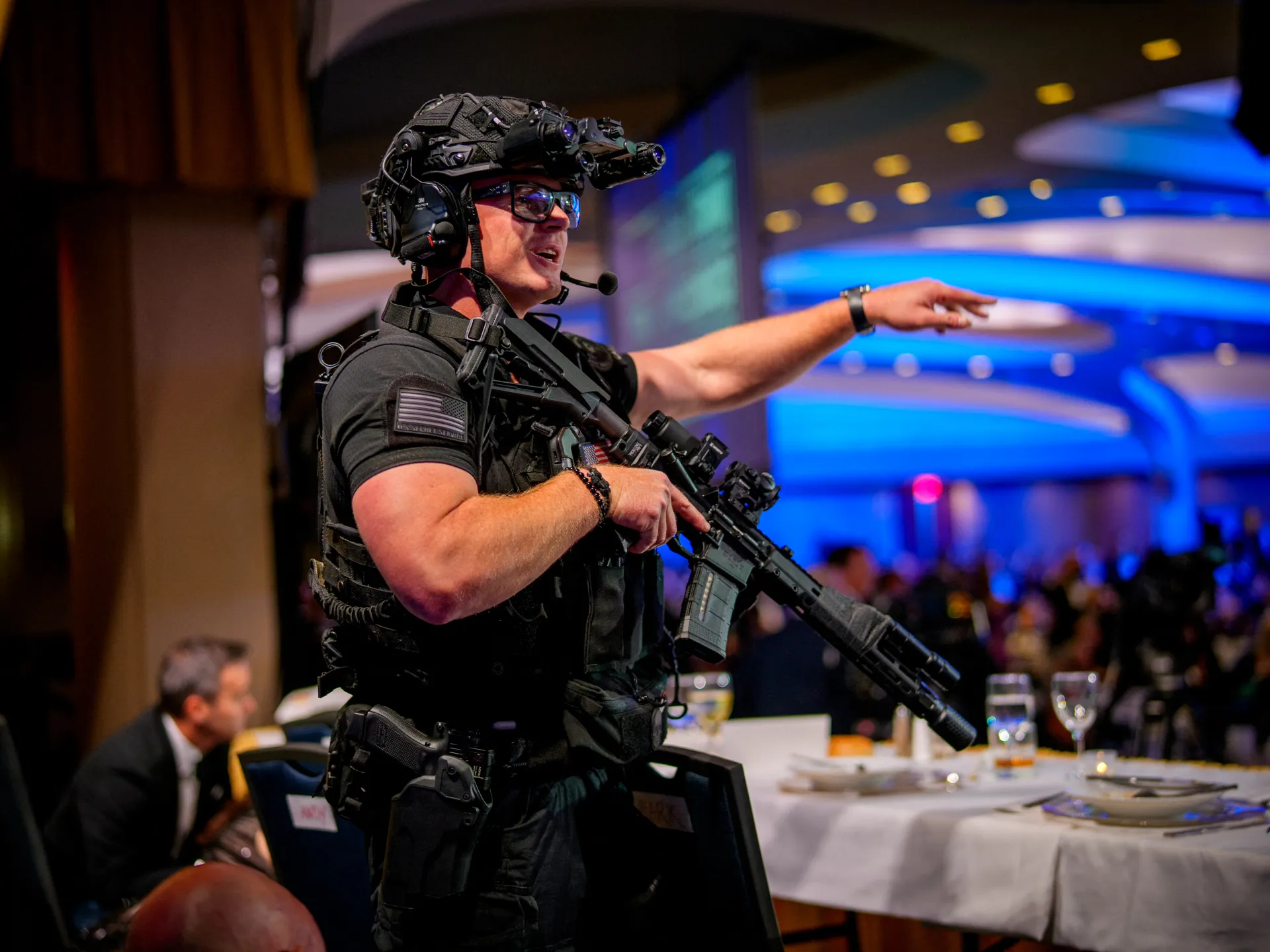
A shooting attempt at the White House Correspondents' Association dinner has ignited a global debate regarding the security arrangements for the 2026 FIFA World Cup. The incident, in which a gunman breached a Secret Service checkpoint at the Washington Hilton hotel targeting President Donald Trump and administration members, has prompted football fans and critics to question the safety of millions of international attendees. With the United States hosting the majority of the fixtures, the breach has raised immediate concerns about how the co-host nation will protect its guests and players.
While the United States Secret Service maintains high-level protection protocols, the successful breach of a checkpoint by a suspect armed with a shotgun, handgun, and knives has left experts and the public questioning the vetting of individuals with access to the nation's capital. Although the Secret Service is conducting an immediate review of its security architecture following the lapse, the incident has triggered a broader conversation about whether the country can deliver a safe major sporting event without compromising its own security standards.
The controversy extends beyond venue security to the conduct of immigration authorities during the tournament. US Immigration and Customs Enforcement (ICE) has confirmed it will be present at World Cup events, with the acting director declining to commit to pausing operations. This stance has sparked significant debate among civil society groups, who argue that fans should be treated as guests rather than potential threats, highlighting a tension between law enforcement priorities and the hospitality expected at a global sporting event.
Civil society organisations, including the American Civil Liberties Union and Amnesty International, have issued a travel advisory for foreigners attending the 2026 World Cup in the United States. The advisory cites deteriorating human rights conditions and immigration enforcement concerns as primary drivers, warning that the tournament may not offer the same level of safety or neutrality seen at previous iterations of the event. These groups emphasise that securing an event requires a holistic effort involving strong partnerships between the government, business community, and civil society.
Critics have also pointed to the broader context of gun violence in the United States, noting that 2026 has already recorded over 126 mass shooting incidents resulting in more than 3,100 deaths and 5,300 injuries. Some observers suggest that the latest security breach underscores a systemic failure to control gun violence, leading to calls for matches in the United States to be cancelled or for the President's attendance to be reconsidered due to the inherent security risks.
Despite these concerns, security analysts maintain that the United States possesses strong counterterrorism experience and that necessary measures are in place to protect the tournament. However, the incident has underscored the complexity of delivering a safe event in a high-pressure global environment, where elements of safety, security, and service must work cohesively to ensure the integrity of the competition.