SEC leadership signals potential break from NCAA over governance disputes
Tensions at the NCAA spring meetings have escalated, with SEC officials suggesting the conference may operate independently if federal legislation fails to curb spending anarchy and consensus on playoff format remains elusive.
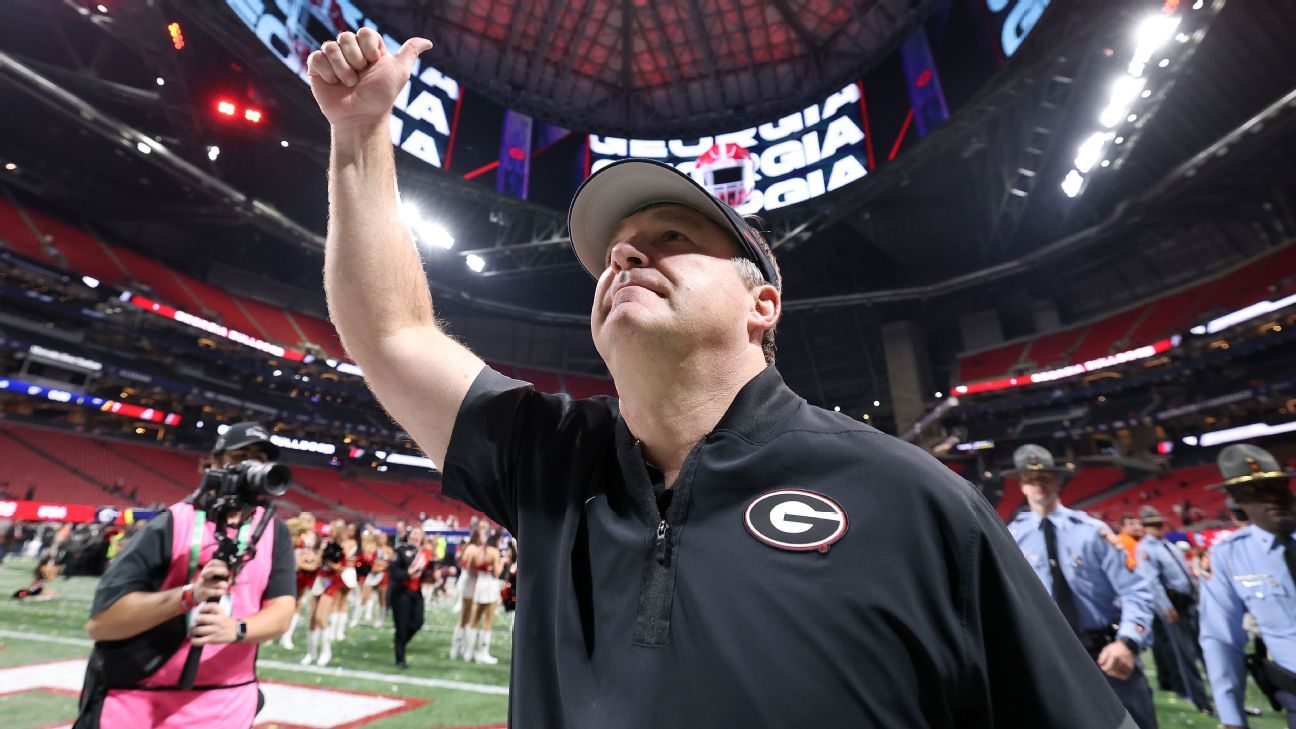
Georgia head coach Kirby Smart has indicated that the Southeastern Conference (SEC) is prepared to operate independently if the National Collegiate Athletic Association (NCAA) fails to reach a consensus on College Football Playoff expansion and Name, Image, and Likeness (NIL) spending regulations. Speaking at the NCAA spring meetings, Smart stated he is not afraid of the SEC "breaking away" to establish its own rules, citing growing frustration with ongoing litigation and inconsistent spending standards across conferences.
The comments underscore a deepening rift within college athletics regarding the structure of the sport. The central debate concerns whether to expand the playoff from the current 12-team model to 16 or 24 teams. While the Big Ten, ACC, Big 12, and Notre Dame support a 24-team format, the SEC currently opposes this expansion. Any structural change requires agreement among the major conferences, particularly the SEC and the Big Ten, making the current deadlock a significant hurdle for the NCAA.
Smart’s stance aligns closely with that of Georgia president Jere Morehead, who previously told On3 that the conference might vote on creating its own mechanism if federal legislation is not enacted to address what he termed "anarchy" in the sport. Morehead acknowledged that such a move might not be feasible for another five years but expressed confidence in the SEC’s ability to generate significant interest and revenue independently, pointing to the high ratings of recent Georgia-Alabama matchups.
"I've been a huge advocate that if we can't find rules that everybody plays by, then we should play our own," Smart said. "I'm not afraid to break away and say that our conference is strong enough to go out and play." He highlighted the administrative burden of navigating NCAA investigations, noting that litigation often prevents conferences from implementing policies that could benefit their programs.
While Smart clarified that he supports student-athletes earning money, he opposed a "race to the bottom" in NIL spending. He advocated for comparable footing among schools to ensure financial stability across all sports within the conference. The topic of conference autonomy and media shifts is expected to dominate the remainder of the spring meetings, with other leagues, such as the Big 12, also navigating significant regulatory and financial changes.