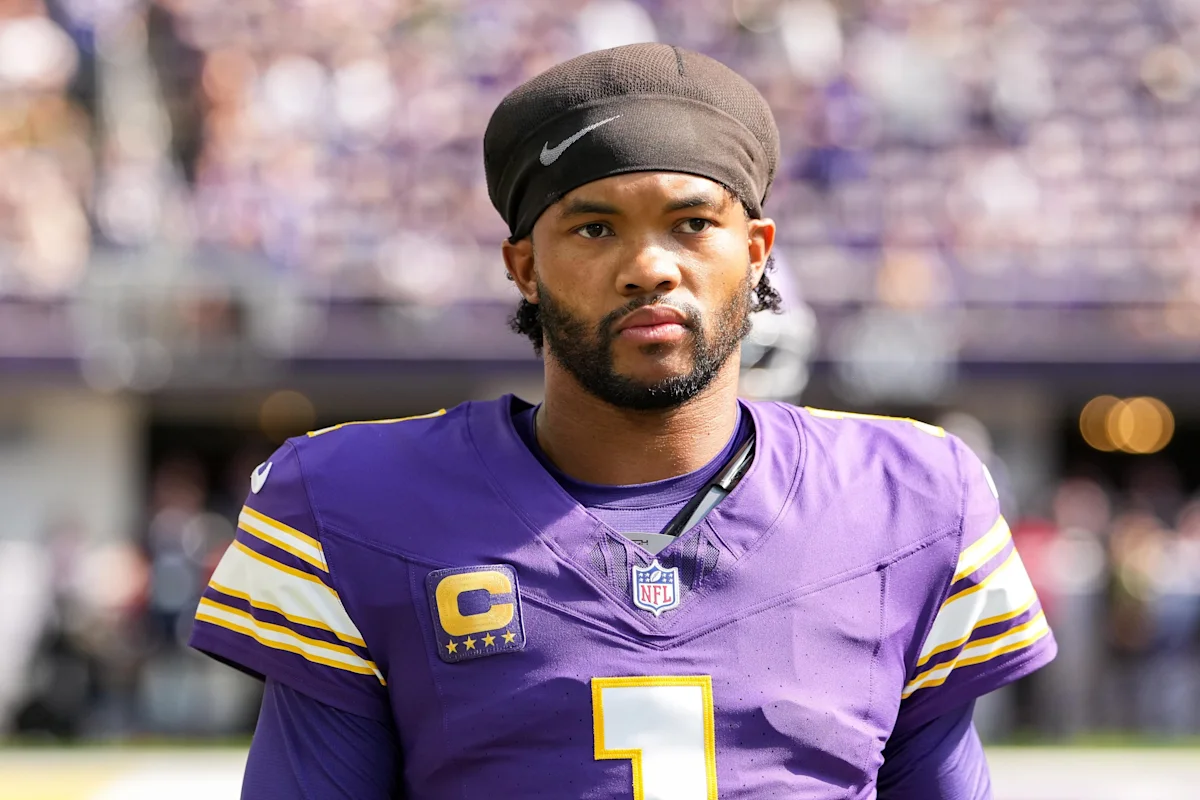
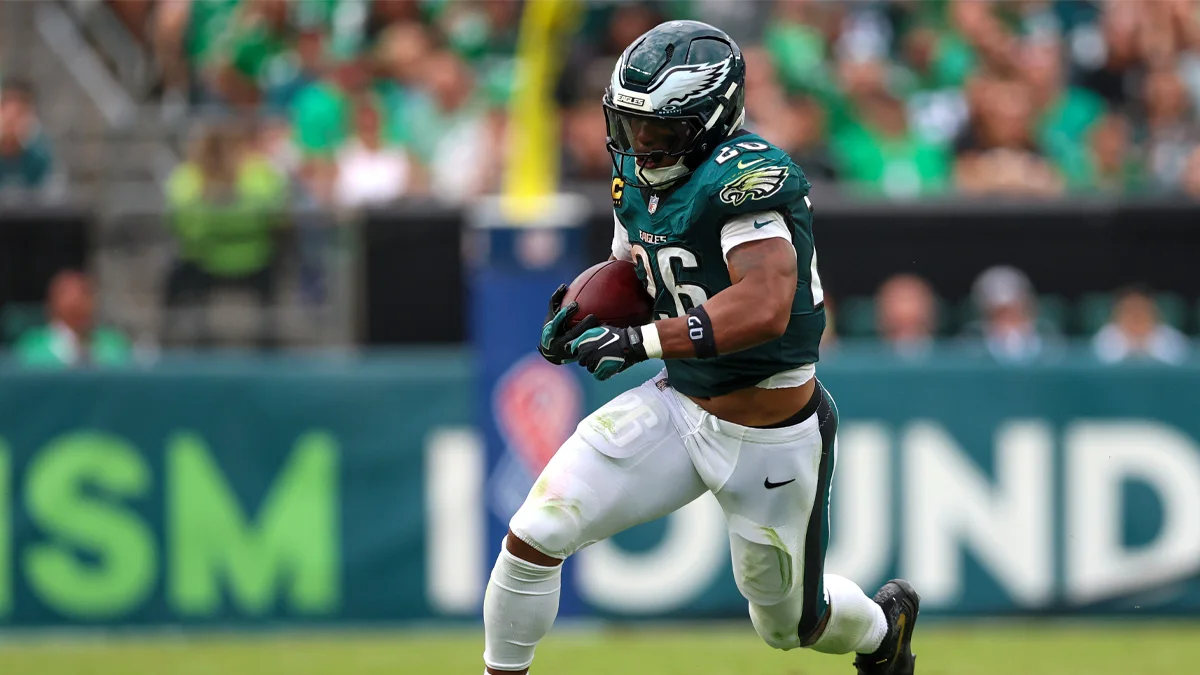
SEC leadership signals no movement on NFL return rule amid LSU dispute
Tennessee Chancellor Donde Plowman stated the conference is prepared to defend its eligibility policies, placing the burden on Commissioner Greg Sankey to apply the full spectrum of penalties if necessary.
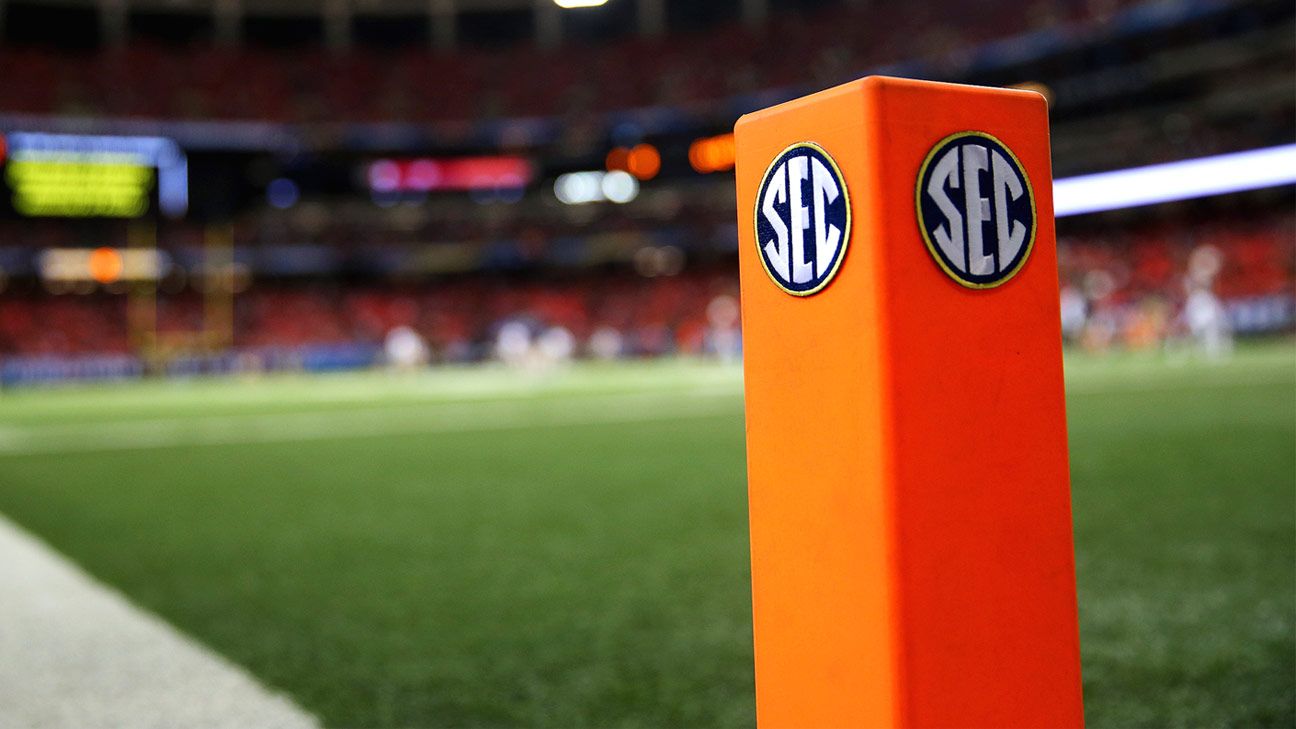
The Southeastern Conference has signalled it will not alter its standing rule prohibiting former National Football League players from returning to college football, a decision that places the conference in direct conflict with Louisiana State University. Tennessee Chancellor Donde Plowman, who chairs the SEC’s executive committee, told ESPN on Tuesday that the league’s presidents and chancellors are united in their position, describing the rule as a "line in the sand" rather than a newly created policy.
Plowman emphasised that the conference views its membership as voluntary, granting it the right to set and enforce its own standards. She distinguished this specific issue from the broader "five-for-five" eligibility debates currently affecting the sport, noting that the SEC’s concern is narrowly focused on players who have signed professional contracts. "If you signed a contract, you signed a contract," Plowman said, arguing that players should not be able to "unsign" those agreements to return to collegiate play.
The dispute centres on former NFL players Zxavian Harris and Dae’Quan Wright, who have indicated plans to join the LSU Tigers. While Tigers coach Lane Kiffin stated that Wright is currently practising with the team, neither player has been formally added to the roster. This creates a complex legal and administrative situation for the conference, which recently voted in Birmingham to impose significant penalties on violators, including suspending a coach for half a season, cutting half of the sport’s annual budget, and revoking league voting rights.
A key complication is a standing court order from a Louisiana state judge that currently prohibits the SEC and Commissioner Greg Sankey from enforcing rules that keep the players off the field. A hearing is scheduled for Thursday in Baton Rouge to determine whether a preliminary injunction will be issued, which would further constrain the league’s ability to act immediately. Plowman noted that LSU representatives were present when the penalties were voted on, suggesting the university is fully aware of the potential consequences.
Georgia President Jere Morehead, a past president of the SEC, characterised the situation as a test of the league’s ability to self-govern. He stressed that all 16 member universities voluntarily chose to join the conference and must therefore honour the shared rules and responsibilities that come with membership. Morehead described the prohibition on professional athletes participating in college sports as a long-standing standard that the conference expects its members to follow.
Plowman acknowledged that suspending or expelling a member school would be an "extraordinary step," but confirmed it remains a possibility under the SEC handbook. She stated that the presidents and chancellors have empowered Sankey to use the "full spectrum of penalties" available to him. While Plowman said she has not been in contact with LSU since the Birmingham meeting, she expressed hope that the parties can "come to their senses" to avoid an outcome that would be unfortunate for college football.