SEC chief argues pro contracts break college sports integrity
Greg Sankey’s legal filing challenges the return of professional athletes to the NCAA, citing a need to preserve the academic nature of collegiate competition.
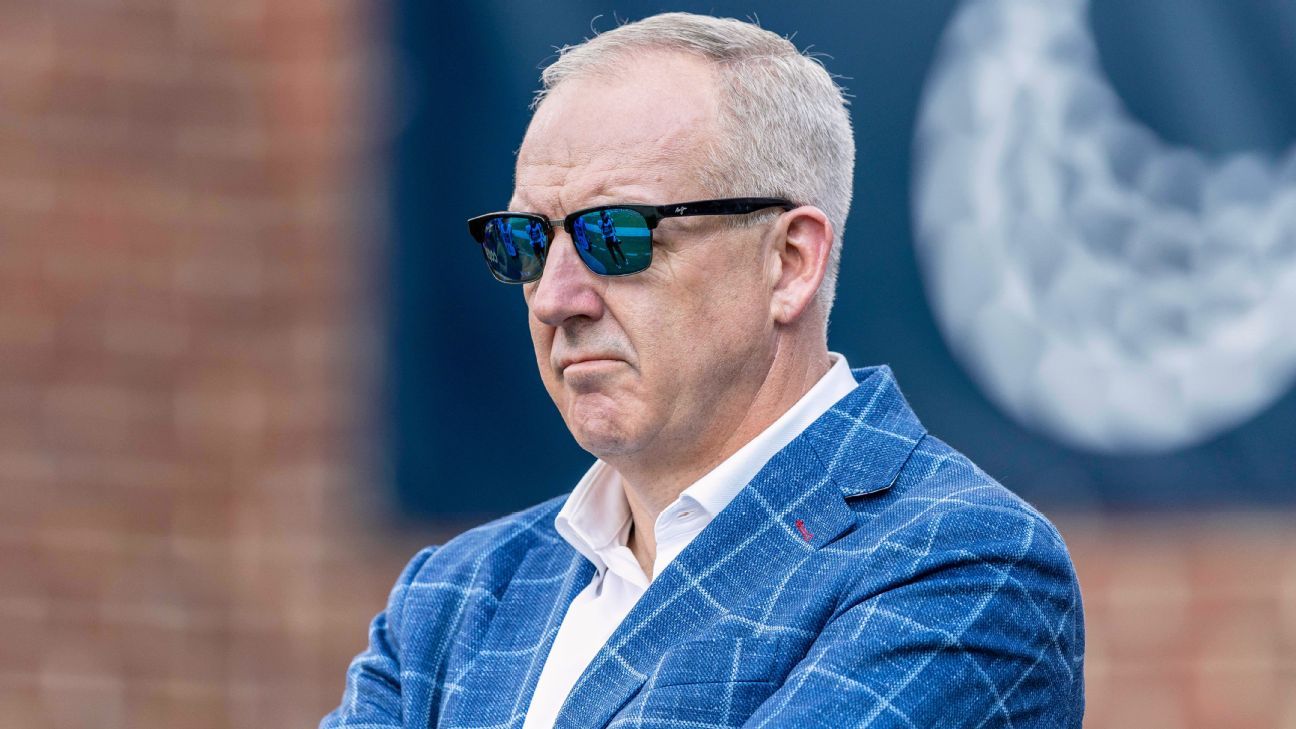
SEC Commissioner Greg Sankey has formally intervened in a Louisiana court case, arguing that the return of professional athletes to collegiate sports undermines the fundamental principles of the NCAA. In an affidavit submitted to Judge Ronald Johnson in East Baton Rouge Parish, Sankey urged the court to uphold existing rules that prevent players who have signed professional contracts from competing in college again.
Sankey contended that allowing these returns fuels disruption and creates a competitive disadvantage for current student-athletes who have remained committed to the collegiate model. He emphasised that the rules are grounded in the principle that athletics are an integral part of the academic experience, designed to align the time permitted for sports with the pursuit of an undergraduate education.
The filing directly responds to a lawsuit by RJ Luis, the 2024-25 Big East Player of the Year, who has committed to LSU to play one more season. Luis, who signed two-way contracts with the Utah Jazz and Boston Celtics in 2025, is seeking a preliminary injunction to clear his eligibility. His case is scheduled for a hearing on 24 August.
The legal challenge is part of a broader wave of litigation against NCAA eligibility rules. A separate lawsuit involving 32 athletes, including three currently on NFL rosters, was granted a temporary restraining order on Wednesday, allowing them to compete this fall. Sankey’s position places him in opposition to a school within his own conference, as LSU’s roster remains largely dependent on the outcomes of these court decisions.
Luis’s legal team argued that the NCAA’s stance is arbitrary, noting that players who sign contracts with European leagues are permitted to compete in college. Conversely, NCAA lawyers warned that allowing Luis to play at LSU would create a revolving door between the NCAA and the NBA, potentially damaging the integrity of college basketball.
The NCAA recently changed its rules in June to allow athletes to play for five seasons within a five-year window, but opted not to grant an extra year to outgoing athletes who would otherwise be eligible. This decision has led to hundreds of athletes in more than two dozen lawsuits challenging their eligibility, many of whom finished their fourth season of competition in the 2025-26 academic year.