SEC and Big Ten ban on returning NFL players creates draft uncertainty
League officials describe the current eligibility landscape as chaotic, with new conference rules conflicting with recent court rulings that granted extra years of eligibility to 16 former players.
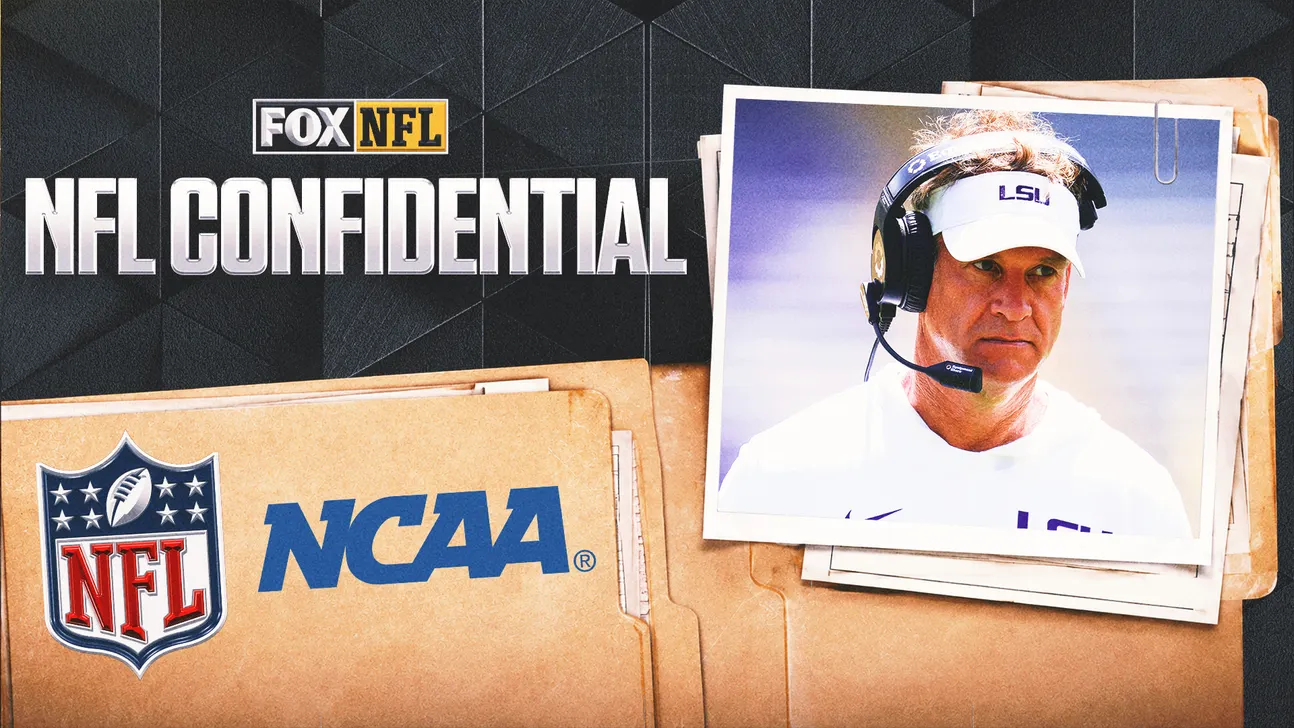
The Southern Conference and the Big Ten have moved to disallow players who have signed National Football League (NFL) contracts from returning to college football, a decision that has triggered significant frustration within the professional league. This regulatory shift directly impacts former Ole Miss tight end Dae'Quan Wright, who was preparing to join LSU head coach Lane Kiffin after being released by the Cleveland Browns. Wright was set to become the first player to return to the collegiate game after being rostered by an NFL team, but the new conference rules have effectively blocked his path.
The bans follow court rulings in Colorado and Louisiana that granted 16 former college football players a temporary restraining order, allowing them an extra year of eligibility for the 2026 season. These legal decisions had previously enabled opportunistic college coaches to explore adding players who had already signed professional contracts to their rosters. However, the Big Ten chose to go against the courts, while the SEC initially announced it opposed the rulings but stated it would not stand in the players' way before ultimately joining the ban.
NFL scouts and executives have described the current National Collegiate Athletic Association (NCAA) situation as the “Wild Wild West,” with rules reportedly changing daily. One scout noted that the league needs to “get their s--- together,” highlighting the confusion caused by the conflicting signals from courts and conference administrators. The uncertainty has raised concerns about player development, with officials questioning the logic of investing three to four months in a player’s growth only to see them return to a program like LSU.
The Big Ten’s penalties are modelled on the NCAA “ghost transfer” rule, which imposes strict consequences on institutions and staff. Under this framework, coaches found in violation are banned from 50 per cent of games, while the school faces a financial penalty equal to 20 per cent of its football budget. This approach contrasts with the more lenient stance previously taken by some conference administrators, creating a fragmented landscape for player eligibility.
The situation also echoes earlier concerns regarding Name, Image, and Likeness (NIL) money, which had already impacted the NFL draft by allowing marginal players to stay in school longer. Scouts argue that the current chaos could wipe out talent in the later rounds of the draft, as players who might have remained on practice squads are now free to return to college. An NFL executive described the scenario as “just the beginning of a really big mess,” noting that the final legal outcome of the court rulings is not yet determined.
It remains unclear if other conferences will join the Big Ten and SEC in banning these players, leaving the NFL to brace for further complications. While some league insiders are sounding the alarm, others remain cautious, acknowledging that the courts have probably not had their final say on the matter. The next few weeks will likely determine whether this regulatory conflict becomes a permanent fixture in the pipeline between college and professional football.