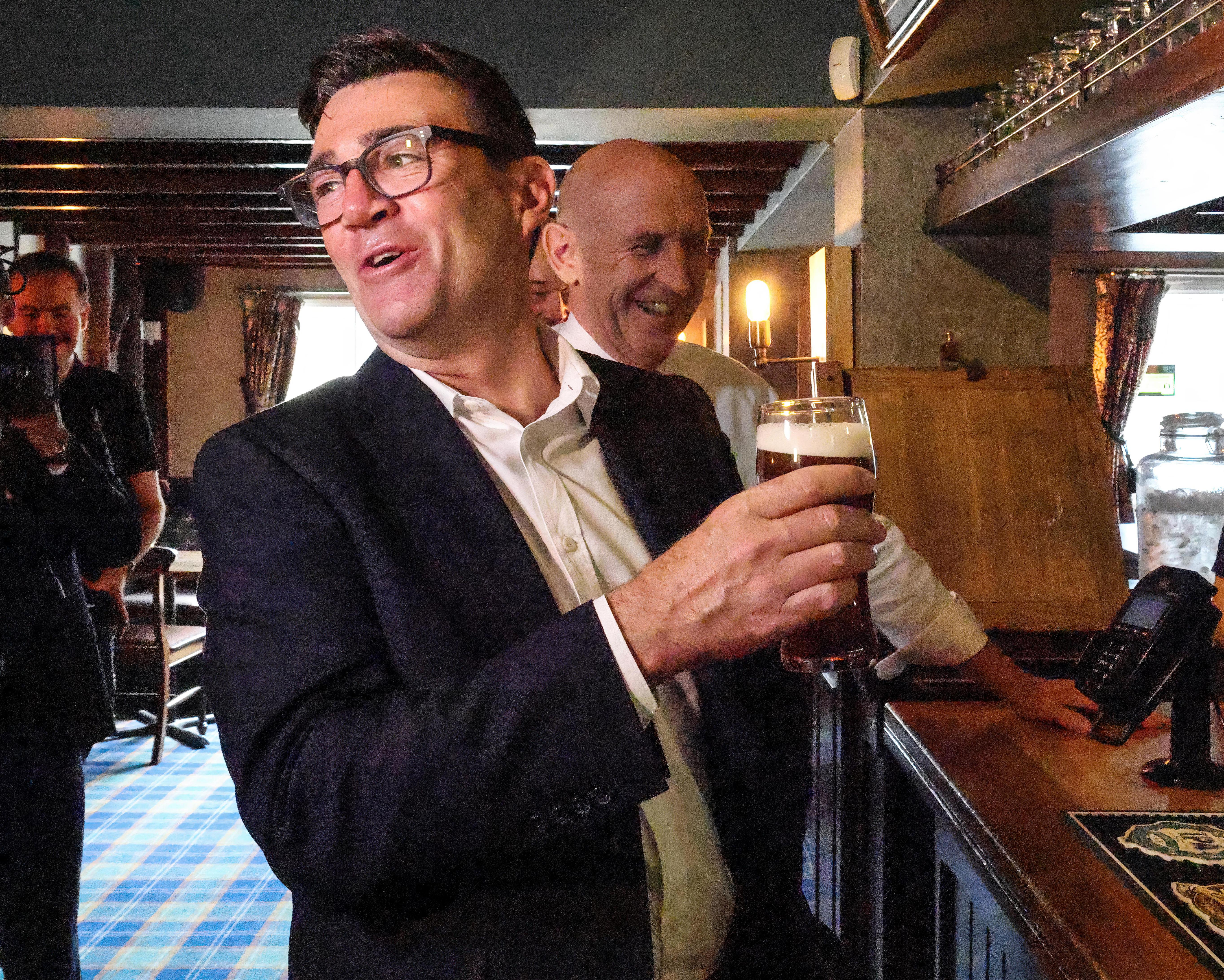
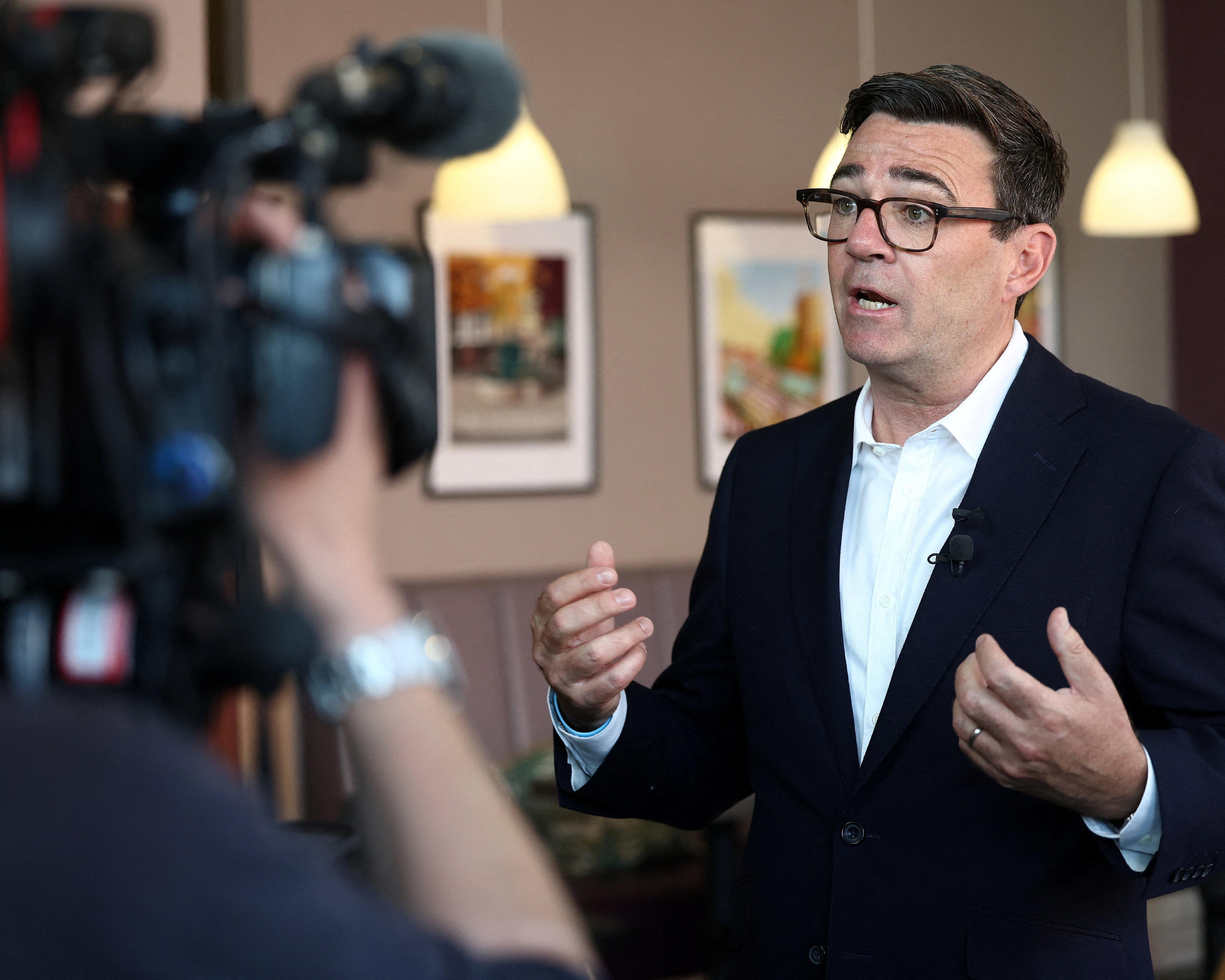
Scottish Labour leadership contest triggered as Anas Sarwar joins Burnham government
Rival parties condemn the move as a betrayal of previous pledges, while internal sources suggest the decision was driven by ambition rather than pre-planned strategy following poor election results.
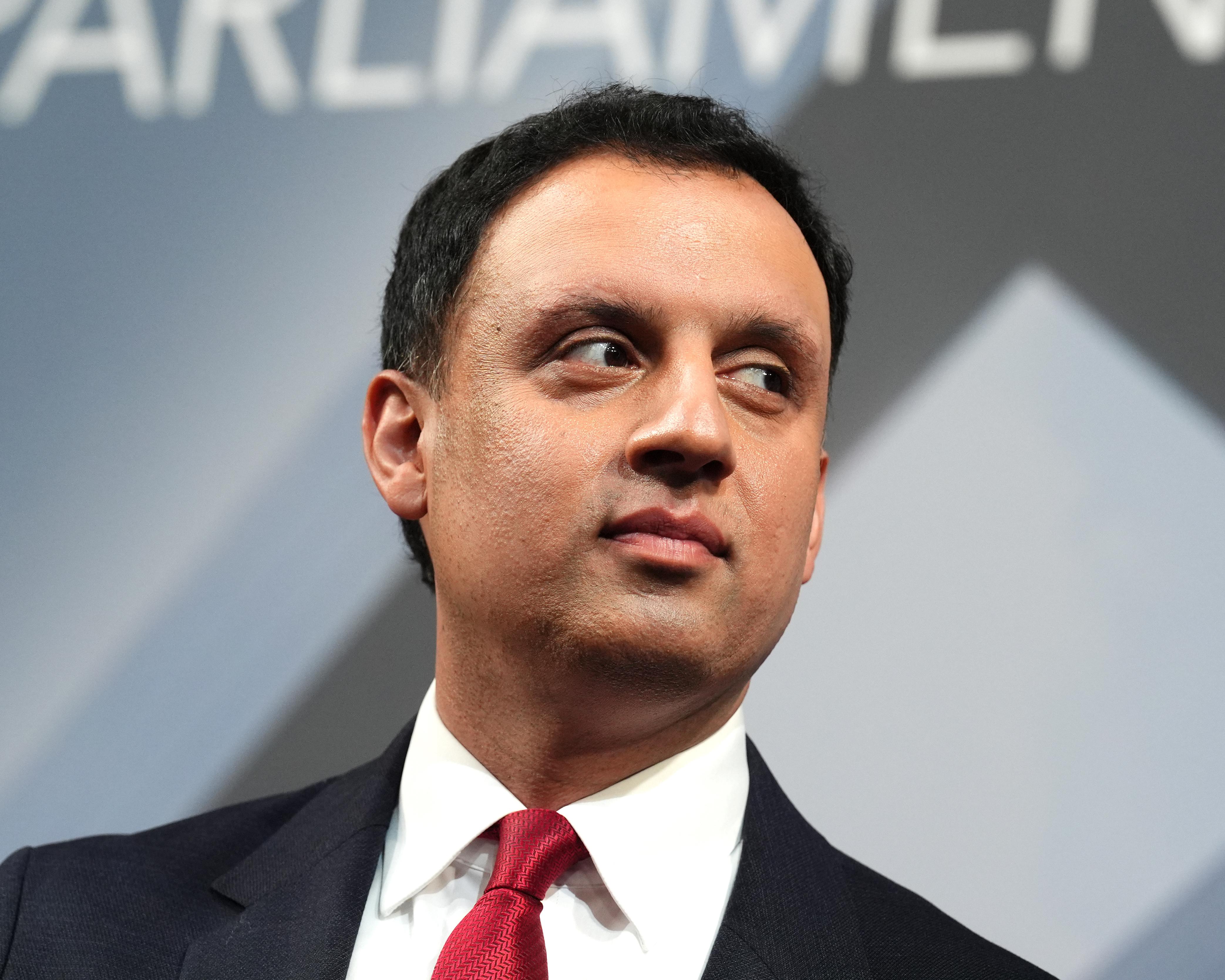
Anas Sarwar has resigned as leader of Scottish Labour to accept a peerage and a ministerial position within Prime Minister Andy Burnham’s government. The appointment places Sarwar at the Department for Business, Innovation, Science and Trade, marking a significant shift for the politician who was previously the first senior Labour figure to call for Keir Starmer’s resignation. The decision has immediately triggered a leadership contest within the 17-member Scottish Labour group, with Monica Lennon and Michael Marra emerging as potential successors.
The announcement has drawn sharp condemnation from rival parties in Holyrood. Scottish Green co-leader Gillian Mackay described Sarwar as a “chancer,” highlighting the contradiction between his long-standing campaign to scrap the House of Lords and his acceptance of a seat within it. “The hypocrisy is breathtaking,” Mackay stated, noting that Sarwar had spent years attacking the institution he is now preparing to join.
The Scottish National Party (SNP) has similarly accused Sarwar of dishonesty, citing his 2022 statement that entering the Lords would be “unacceptable.” The SNP called on Sarwar to donate his new salary to charity, arguing that the Labour party had repeatedly lied to the electorate about his intentions. Critics argue that the move undermines the party’s previous stance on constitutional reform and institutional integrity.
Within Scottish Labour, the timing of the resignation has caused surprise and frustration, occurring less than three months after the party suffered its worst results in Holyrood history. Staff and colleagues described being “thrown into the lurch” by the sudden departure. One worker suggested that a clearer announcement in May would have allowed for a proper assessment and restructuring of the party’s operations, rather than the current abrupt transition.
Despite the internal shock, sources close to Sarwar indicate the move was driven by political ambition rather than a pre-planned strategy. A source noted that Sarwar faced the prospect of “hanging around” in opposition for five years and chose Westminster to avoid stagnation. The appointment is also seen by some as a potential bridge to address criticisms that Prime Minister Burnham lacks knowledge of or interest in devolved nations, with Sarwar’s presence potentially helping to educate the government on Scottish affairs.
Monica Lennon, who will automatically assume Sarwar’s seat as the next candidate on the list, is viewed as a credible contender for the leadership. Michael Marra, the MSP for North East Scotland, is also being considered as a candidate outside the traditional power centres of Edinburgh and Glasgow. The next leader will face the challenge of balancing a uniquely Scottish offer with the demands of being part of a UK-wide party, a conflict described as a “constant battle” within the group.