Scottish independence sentiment surges among youth as May elections approach
Young voters are driving a shift in the independence debate, yet the UK government remains unlikely to authorise a fresh vote despite the SNP's lead in the polls
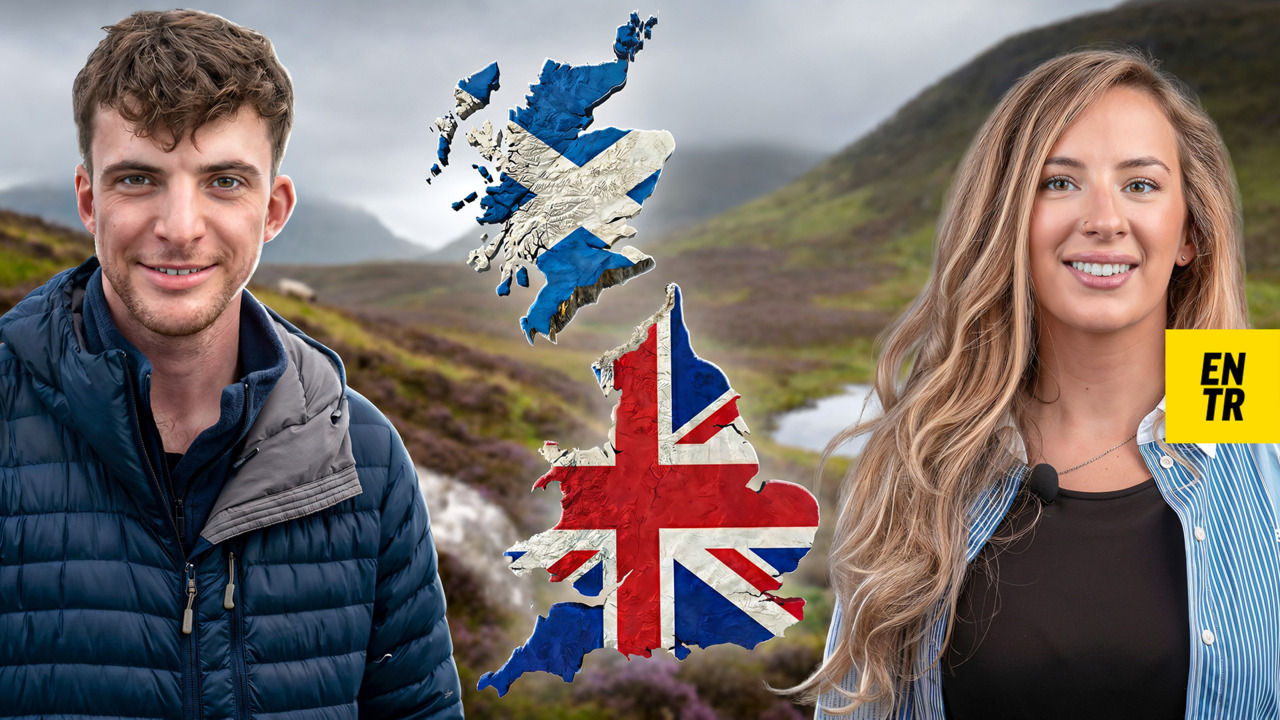
Scottish youth are increasingly divided on the question of national identity, with support for independence rising to 59 per cent among 18 to 24-year-olds following the United Kingdom's departure from the European Union. This surge in pro-independence sentiment marks a significant departure from historical trends, as the gap between unionist and independence supporters has narrowed considerably since the 2014 referendum.
Recent polling data from February indicates a national split of 51 per cent in favour of independence and 49 per cent against, a figure that contrasts sharply with the 30 to 40 percentage point advantage held by the unionist campaign prior to 2016. The shift has been driven largely by the geopolitical instability associated with Brexit, which has led many young voters to question the stability of the Union without the guarantee of continued European integration.
The upcoming Scottish parliamentary elections on 7 May are viewed as a potential catalyst for further political realignment. The Scottish National Party (SNP), which leads in the polls, argues that securing an absolute majority would provide a mandate for a second independence referendum. However, this political aspiration faces substantial legal obstacles established by the 2022 UK Supreme Court ruling, which determined that Scotland cannot hold such a vote without the explicit approval of the UK parliament.
Current analysis suggests the UK government is unlikely to grant permission for a second referendum, leaving the independence movement in a difficult position. While the SNP contends that a parliamentary majority would legitimise a vote, the legal precedent set by the Supreme Court maintains that the final authority rests with Westminster. Consequently, the path to a formal vote remains blocked unless the political landscape shifts sufficiently to alter the UK government's stance.
Personal narratives from young Scots highlight the depth of this generational divide. One student at the University of Glasgow, who grew up in a unionist household, noted that while she opposes independence, she would support leaving the Union if it guaranteed rejoining the European Union. Conversely, a boat skipper from the Isle of Skye, raised in a pro-independence family, believes that only an independent government can effectively address local issues and secure better trade relations with the EU.
The 2016 Brexit referendum, where every county in Scotland voted to remain in the EU, stands in stark contrast to the Leave votes in England and Wales. This divergence has energised the pro-independence movement, with many young voters feeling that their desire to leave the EU was ignored by the UK government. As the country prepares for the May elections, the tension between these competing visions for Scotland's future remains at the centre of the political debate.