SCO backs Iran’s sovereignty but offers no collective defence
The Shanghai Cooperation Organisation has condemned attacks on Iran while stopping short of offering the military guarantees associated with formal alliances.
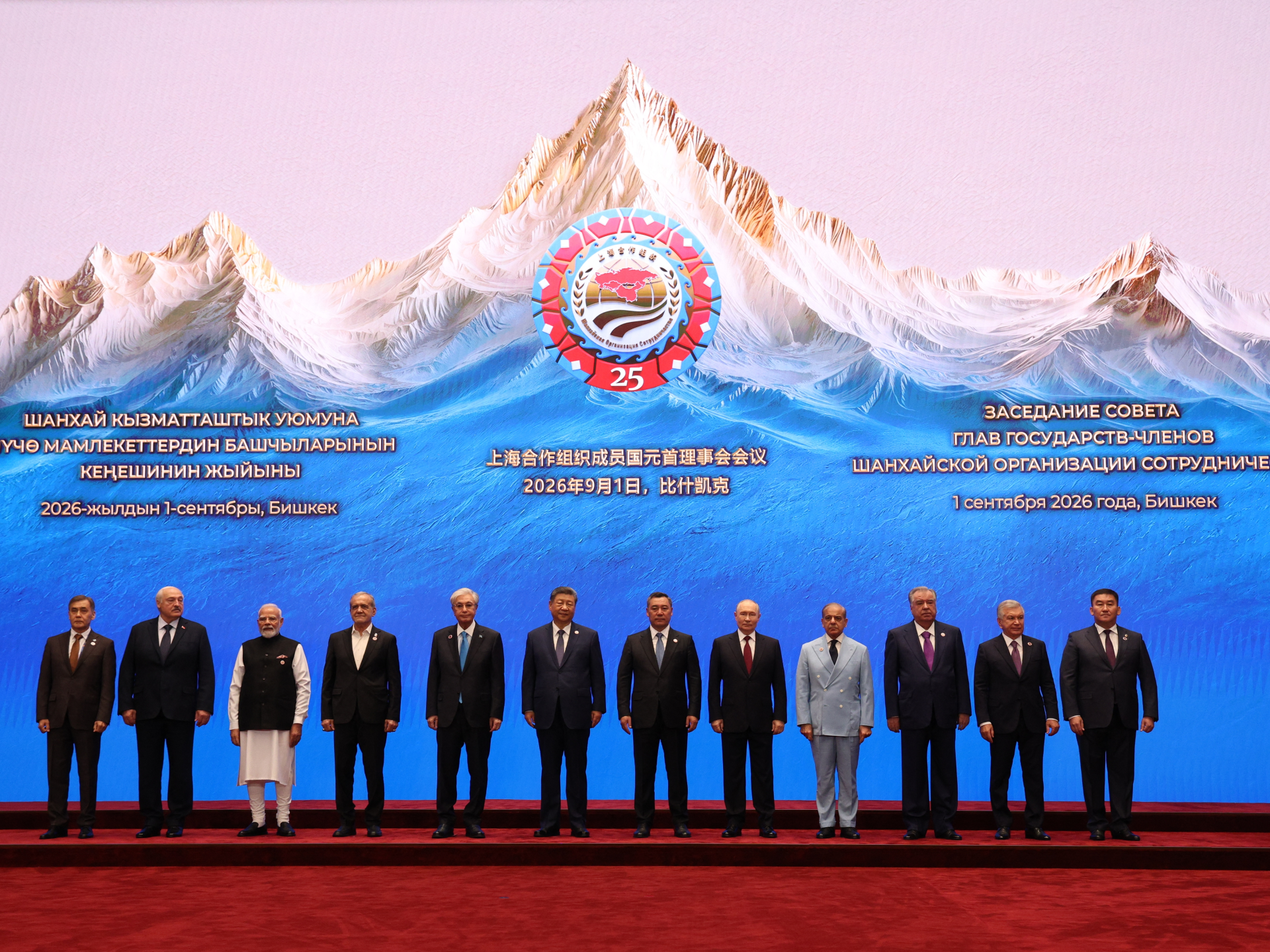
The Shanghai Cooperation Organisation (SCO) has reportedly condemned military attacks against Iran, describing them as violations of international law and the United Nations Charter. At its summit in Bishkek, the organisation reaffirmed Iran’s sovereignty and territorial integrity and called for a political and diplomatic resolution.
The response offered political solidarity, but no collective military defence. An Al Jazeera opinion analysis says the distinction highlights the limits of the SCO and BRICS as security arrangements: both can provide diplomatic backing, investment and other support, but neither obliges members to fight for one another.
The analysis argues that multipolarity is creating overlapping partnerships rather than replacing the US-led system with a Chinese- or Russian-led bloc. States such as Türkiye, Brazil, India and Gulf countries are presented as maintaining relationships across competing institutions and powers to expand their diplomatic and economic options.
India reportedly supported the SCO statement on Iran while Prime Minister Narendra Modi stressed the importance of preserving freedom of navigation and commerce through the Strait of Hormuz. The analysis describes India’s participation in the Quad, BRICS and the SCO as an example of this broader balancing strategy.
For middle and smaller powers, the resulting order may provide greater room to manoeuvre and more ability to resist pressure from dominant states. But the same flexibility offers fewer guarantees during major security crises. The SCO defines itself as a non-military organisation, while NATO’s alliance commitments remain distinct from the looser partnerships described in the analysis.