Science Corporation secures EU approval for PRIMA vision chip
The firm, founded by former Neuralink president Max Hodak, has acquired French developer Pixium and received US FDA designation for expedited review.
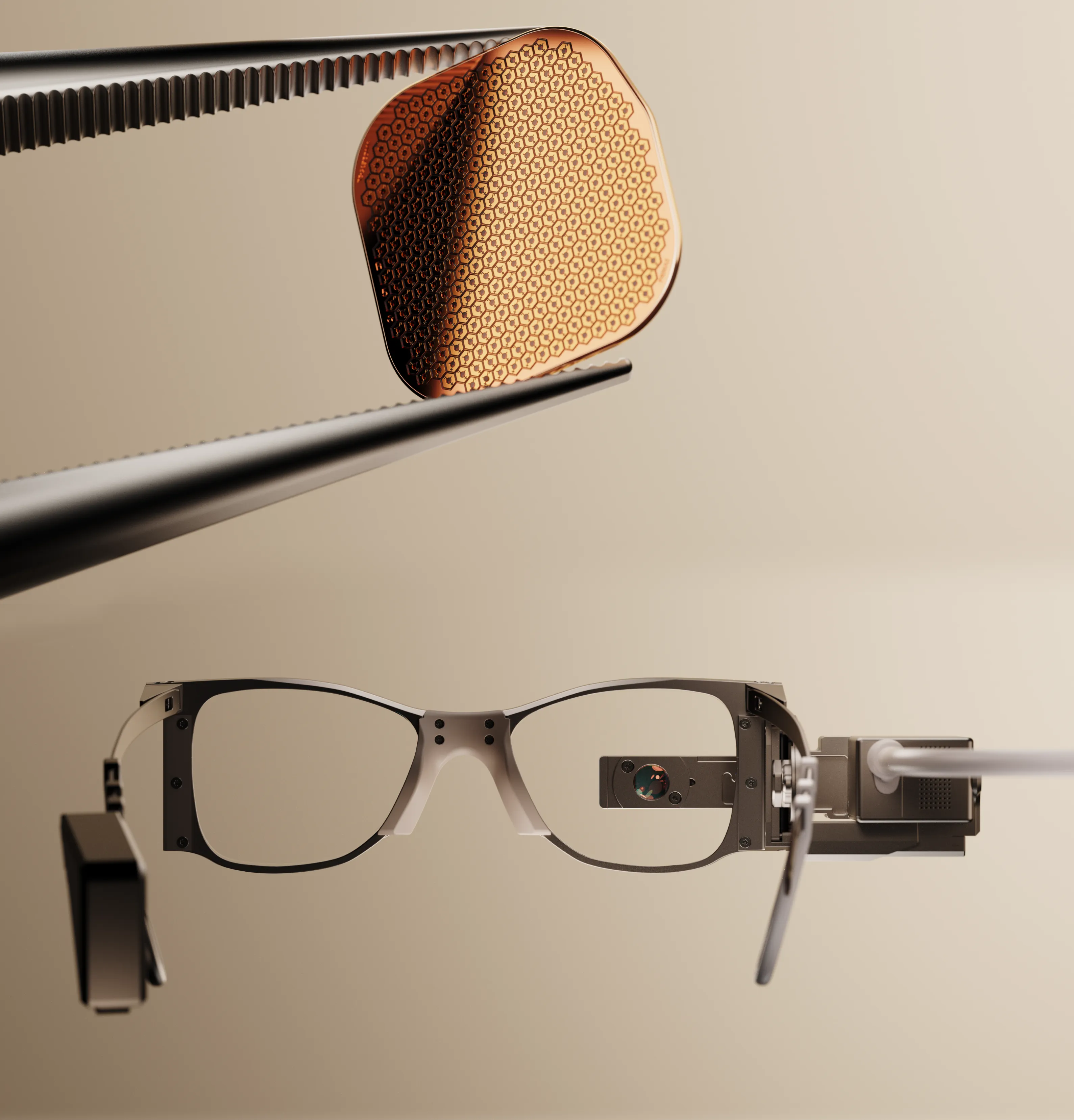
Science Corporation has obtained approval from Europe’s medical device regulator to commence sales of its PRIMA device, a vision-restoring implant designed for patients with age-related macular degeneration. The decision marks a significant commercial milestone for the brain-computer interface start-up, which acquired the French firm Pixium in 2024 to secure the underlying technology.
The PRIMA system operates through an hour-long outpatient procedure that implants a small chip into the back of the eye. This hardware is paired with camera-equipped glasses that transmit visual data to the implant, restoring functional sight for individuals whose light-sensitive cells have been destroyed by the condition. Founder and chief executive Max Hodak noted that the technology has already enabled patients to read novels, complete puzzles, and draw.
Science Corporation intends to begin offering the device in Germany, where its clinical trials were conducted, with the first procedure potentially taking place in September. The company is currently in discussions with European healthcare providers regarding reimbursement, as each device is expected to cost in the hundreds of thousands of dollars.
In addition to the European clearance, the US Food and Drug Administration has granted a designation that serves as the first step toward an expedited regulatory review. This designation could allow the device to be used to treat two rare forms of blindness, expanding the potential addressable market beyond age-related macular degeneration.
Hodak, who previously served as president of Neuralink before leaving in 2021, stated that the company aims to achieve $100 million in annual revenue. This financial target is critical to ensuring business sustainability and funding the development of more complex bio-hybrid brain sensors, a longer-term goal that the firm is pursuing in collaboration with Dr Murat Günel of Yale Medical School.
The company is also working to refine the hardware, developing a new chip and improving the form factor of the glasses to reduce reliance on external battery packs. The objective is to create a more compact design comparable to augmented reality eyewear, although the power and compute requirements for the medical device remain significantly higher.