Saudi Arabia weighs military response as Houthi advances threaten security and oil exports
Houthi attacks and reported territorial gains are increasing pressure on Riyadh’s security, energy infrastructure and economic agenda.
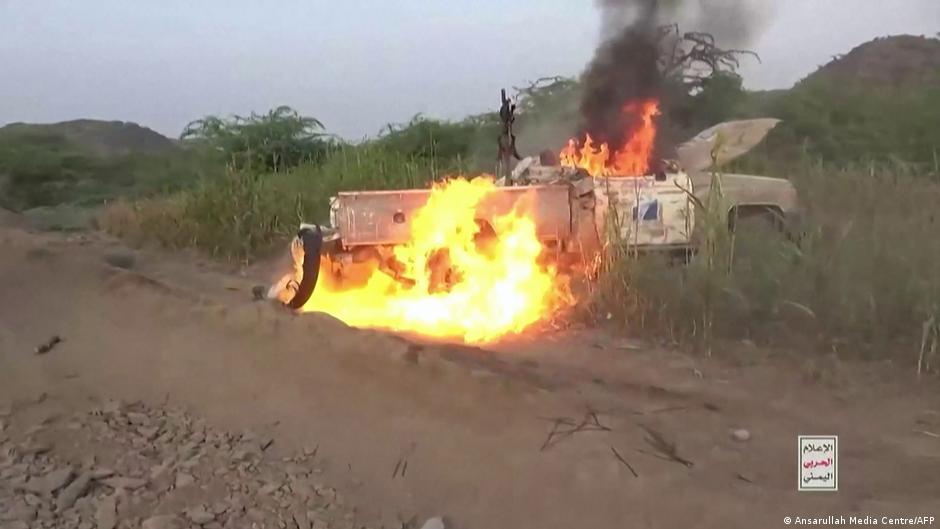
Saudi Arabia is facing mounting security and economic pressure as Houthi forces advance in Yemen and intensify attacks across the kingdom’s southern border, according to Deutsche Welle.
DW reported that Houthi attacks injured 13 people on Monday night, taking reported injuries since the conflict escalated in July to about 100. The reported seizure of port cities and Perim Island in southern Yemen has also increased pressure on shipping through the Bab el-Mandeb Strait.
Only 21 commodity vessels transited the strait on Monday, according to maritime data firm Kpler, compared with its importance before the crisis as a route carrying roughly 30 per cent of global container traffic. The waterway had also served as an alternative route for Saudi oil exports during disruption around the Strait of Hormuz.
Saudi Arabia’s East-West oil pipeline was allegedly targeted by drones launched from Iraq on 12 September. Officials said repairs could take weeks. The reported damage adds to concerns over the kingdom’s ability to protect oil exports while maintaining economic plans centred on Vision 2030, Expo 2030 and the 2034 FIFA World Cup.
Riyadh is balancing military deterrence with renewed diplomacy. Reuters sources cited by DW said Crown Prince Mohammed bin Salman sought US military assistance but was offered intelligence support. The Mecca Joint Defence Agreement between Saudi Arabia, Turkey and Pakistan has not been activated.
Saudi Arabia intervened in Yemen in 2015 to support the internationally recognised government, while fighting eased after a UN-brokered truce in 2022. Analysts cited by DW said Riyadh now faces pressure to respond militarily while keeping communication channels open for negotiations and de-escalation.