Saudi Arabia vows response to Houthi blockade as oil flows face disruption
The Saudi Foreign Ministry has pledged to take “all necessary measures” to protect shipping after Yemen’s Iran-aligned Houthi movement announced a maritime blockade, raising concerns over global energy supplies and inflationary pressures.
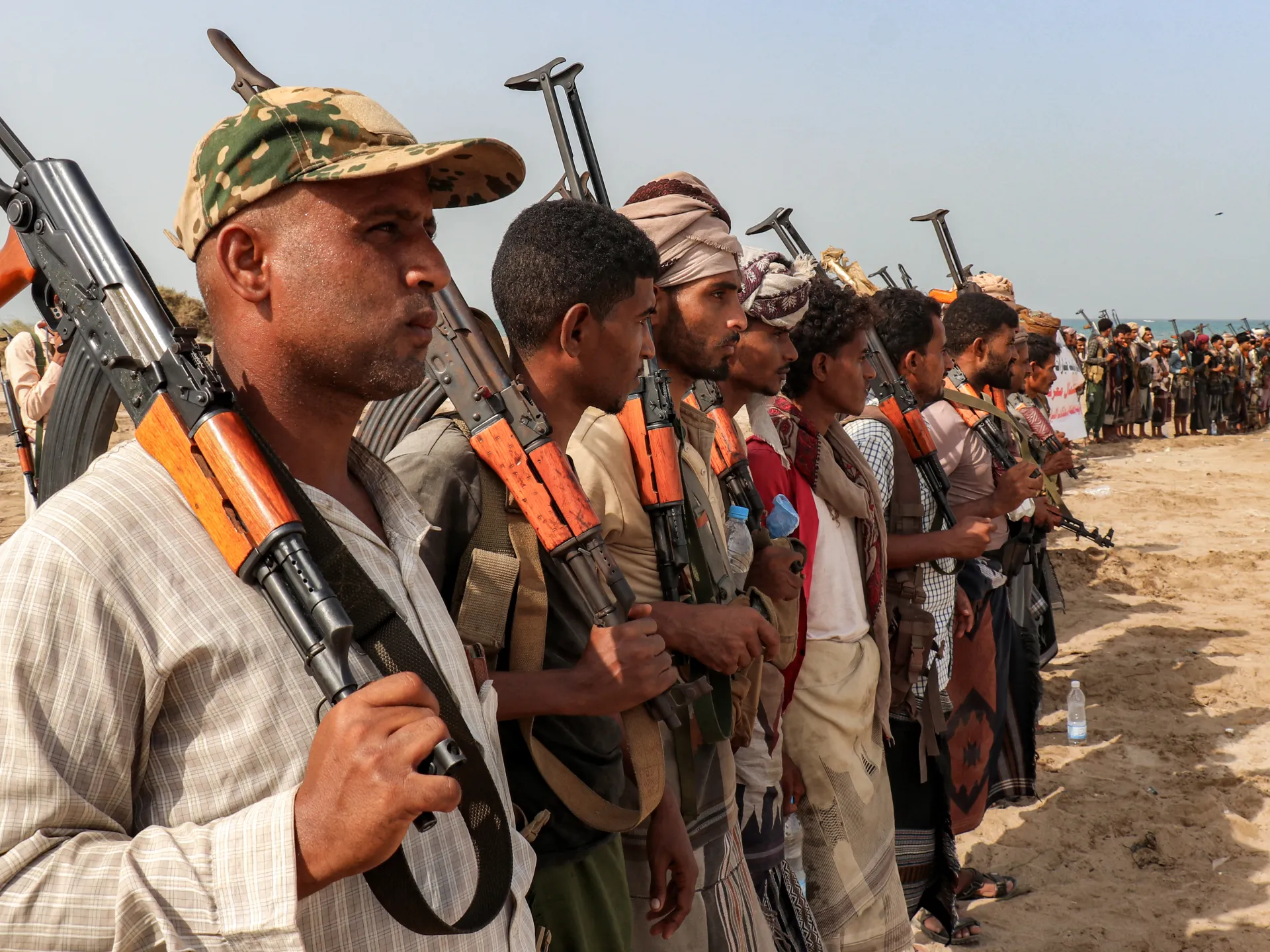
Saudi Arabia has formally condemned a naval blockade declared by Yemen’s Iran-aligned Houthi movement, asserting it would take all necessary measures to safeguard its maritime interests. The announcement by the Saudi Foreign Ministry follows the group’s declaration of a maritime embargo on Monday, which targets the Bab al-Mandeb Strait, a critical chokepoint for Saudi oil exports to Asian markets. This route has become increasingly vital following the closure of the Strait of Hormuz due to the ongoing conflict between the United States, Israel, and Iran.
The Houthi movement justified the blockade by citing alleged Saudi sieges on Yemeni ports and airports, framing the action as a right to “escalation with escalation.” The group stated it was responding to an “unjust and oppressive siege” imposed over the past 12 years. The declaration came shortly after tensions escalated following an incident at Sanaa airport, where the Houthis blamed Riyadh for an attack, while the internationally recognised Yemeni government claimed responsibility to prevent an Iranian plane from landing. Subsequently, the Houthis fired ballistic missiles at Saudi Arabia’s Abha International Airport, which the Saudi-led coalition stated it successfully intercepted.
The strategic importance of the Bab al-Mandeb Strait cannot be overstated in the current geopolitical climate. Connecting the Red Sea to the Gulf of Aden, the strait is just 29km wide at its narrowest point. With the Strait of Hormuz effectively closed since late February, alternative routes have become essential. Ship tracking data from Kpler and Signal Ocean indicates that shipments from the Saudi port of Yanbu averaged four million barrels per day in recent weeks, a significant increase from approximately 973,000 barrels per day a year earlier. Total petroleum volumes transiting the Bab al-Mandeb reached 7.4 million barrels per day in June, representing about seven percent of global oil output, compared to 4.2 million barrels per day the previous year.
Disruption to this flow poses severe economic risks. In 2024, Saudi Arabia exported $187 billion of crude petroleum, with major buyers including China, South Korea, Japan, and India. Analysts warn that a sustained blockade could block up to 25 percent of the world’s oil and gas supply if combined with the existing closure of the Strait of Hormuz. Michael Stephens, a senior associate fellow at the Royal United Services Institute for Defence and Security Studies, described the potential impact as “hugely harmful” to the oil economy, noting that shutting off such a vast majority of supply would have deleterious effects on global markets.
Market reactions have already begun to reflect these concerns. Brent crude futures edged higher on Tuesday, reaching $89.70 a barrel by 09:50 GMT, up from an average of around $70 per barrel before the US-Israel war on Iran. Stephens cautioned that the blockade would cause inflationary pressure in both Western and Asian economies, complicating efforts to stabilise prices. The situation also threatens a precarious calm established by a temporary truce four years ago in Hodeidah, where recent fighting between Houthi and government forces has further destabilised the region.