Saudi Arabia prepares for 2 million pilgrims as Hajj season approaches
Nearly 2 million Muslims are expected to undertake the Hajj, the fifth pillar of Islam, beginning May 25, 2026, contingent on the sighting of the crescent moon.
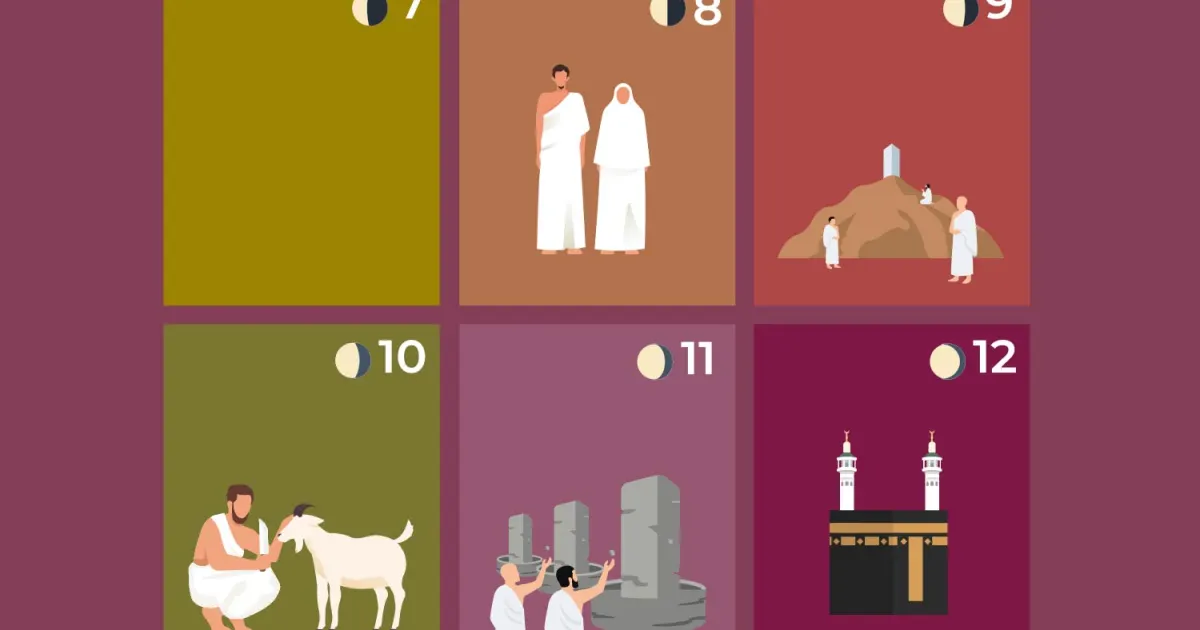
Saudi Arabia is preparing to host nearly 2 million Muslims for the annual Hajj pilgrimage, scheduled to commence on May 25, 2026. The event, which marks the fifth pillar of Islam, is contingent upon the sighting of the crescent moon and will see pilgrims gather in Mecca to perform rites between the 8th and 12th of Dhul-Hijjah in the Islamic lunar calendar.
The pilgrimage is a once-in-a-lifetime obligation for adult Muslims who are physically and financially able. The word Hajj derives from the Arabic root h-j-j, meaning to intend a journey or set out for a definitive purpose. It is considered a direct commandment from God, as outlined in the Quran, and was affirmed by Prophet Muhammad during his farewell pilgrimage in 632 AD.
Pilgrims will spend the nights in Mina, located approximately 8km east of the Kaaba. Known as the city of tents, Mina is equipped with approximately 100,000 white tents to house the massive influx of visitors. The journey begins with the state of ihram, where men don two white garments and women wear modest attire, symbolising equality and humility before God.
Central to the ritual is the wuquf, or standing, at Mount Arafat, which occurs on the second day of the pilgrimage. Pilgrims spend the afternoon from midday to sunset in prayer and repentance at the plains, a site about 15km from Mina. This moment is regarded as the most important ritual, symbolising a preview of the Day of Judgement. Following sunset, pilgrims travel to Muzdalifah to collect pebbles for the subsequent stoning ritual.
The Hajj concludes with Eid al-Adha, celebrated on the 10th of Dhul-Hijjah. The festivities involve special prayers, animal sacrifice known as Qurbani, and family gatherings. The meat from the sacrifice is traditionally divided into three parts: one for the family, one for relatives and friends, and one for those in need. Pilgrims perform a final farewell tawaf around the Kaaba before departing Mecca.