Sanchez defends Spain’s Eurovision boycott over Israel’s participation
The government’s stance underscores the intersection of cultural diplomacy and geopolitical tension, with Madrid citing Israel’s involvement as the sole driver for its withdrawal.
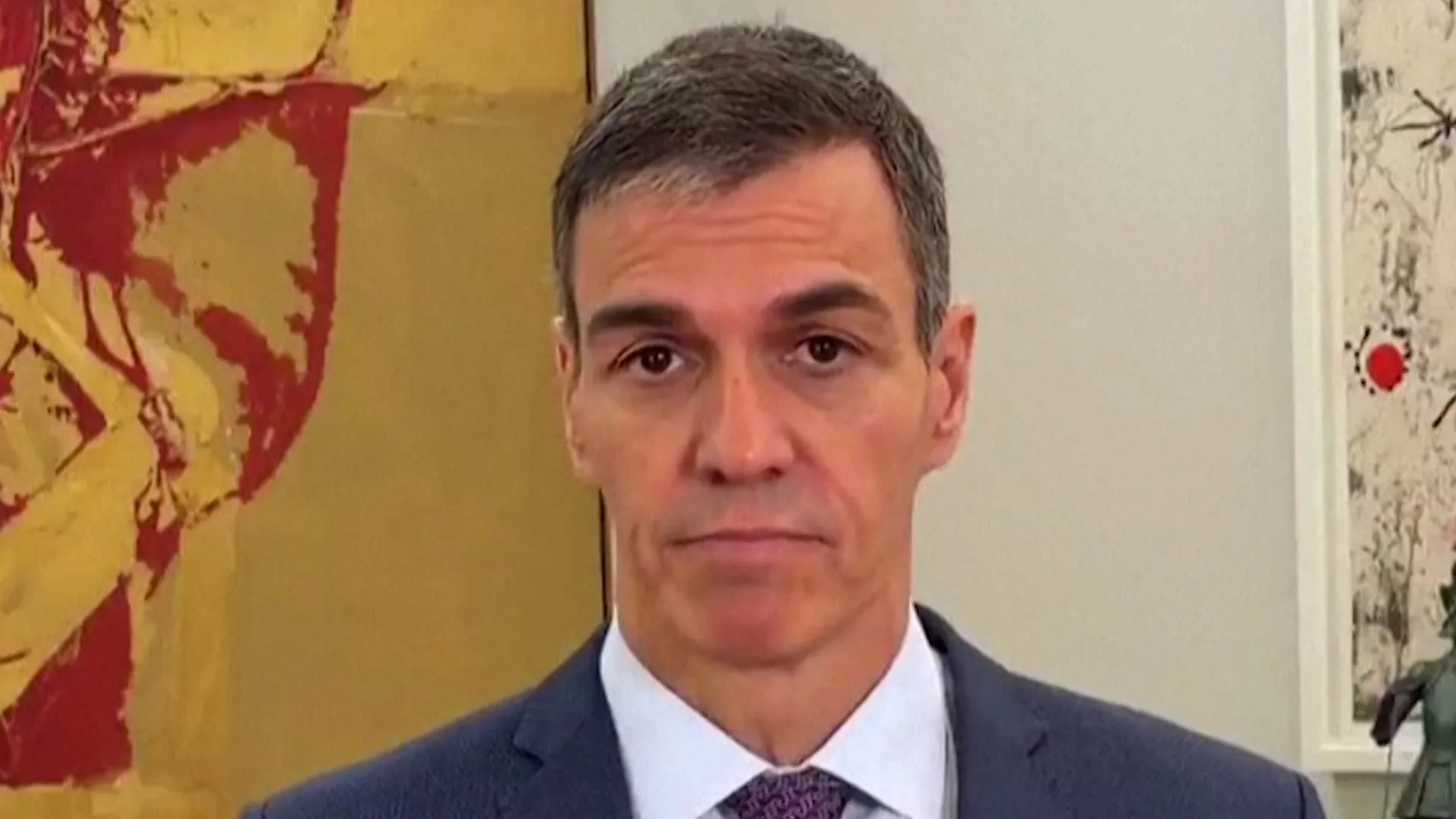
Spanish Prime Minister Pedro Sanchez has publicly justified the decision to withdraw Spain from the Eurovision Song Contest, citing Israel’s participation as the primary reason for the non-appearance. The stance underscores the intersection of cultural events and geopolitical diplomacy, reflecting broader international tensions regarding Israel.
The Eurovision Song Contest is an annual international competition organised by the European Broadcasting Union, in which Israel is a regular participant. The decision by the Spanish government to exclude its entry from the event marks a significant political intervention in a typically apolitical cultural forum.
The specific diplomatic rationale or official terminology used by the Spanish government to characterise the boycott remains unverified in the current source material. However, the causal link established by the Prime Minister is direct: the presence of Israel in the contest necessitates Spain’s absence.
This move highlights the increasing politicisation of international cultural exchanges. By linking participation in a major European cultural event to geopolitical positions, the Spanish administration has drawn a clear line in the sand regarding its diplomatic engagement with Israel.
The decision comes amid a period of heightened scrutiny on how states utilise soft power platforms to signal political disapproval. While the exact nature of the defence, whether through a press conference or formal statement, has not been specified, the message from Madrid is unambiguous.
As the Eurovision Song Contest continues to serve as a barometer for European political sentiment, Spain’s withdrawal adds a new layer of complexity to the event’s narrative. The government’s position suggests that cultural participation is contingent upon alignment with specific foreign policy objectives.
The incident serves as a reminder of the fragility of cultural diplomacy in times of geopolitical strain. Whether this stance will influence other nations’ participation in future contests remains to be seen, but it has certainly established a precedent for political conditionalities in international sporting and cultural events.