San Francisco mayor urges state regulators to tighten robotaxi rules after Waymo gridlock
The California Department of Transportation is being asked to establish statewide standards for reliability during major incidents, targeting operators like Waymo whose fleets have grown significantly in scale.
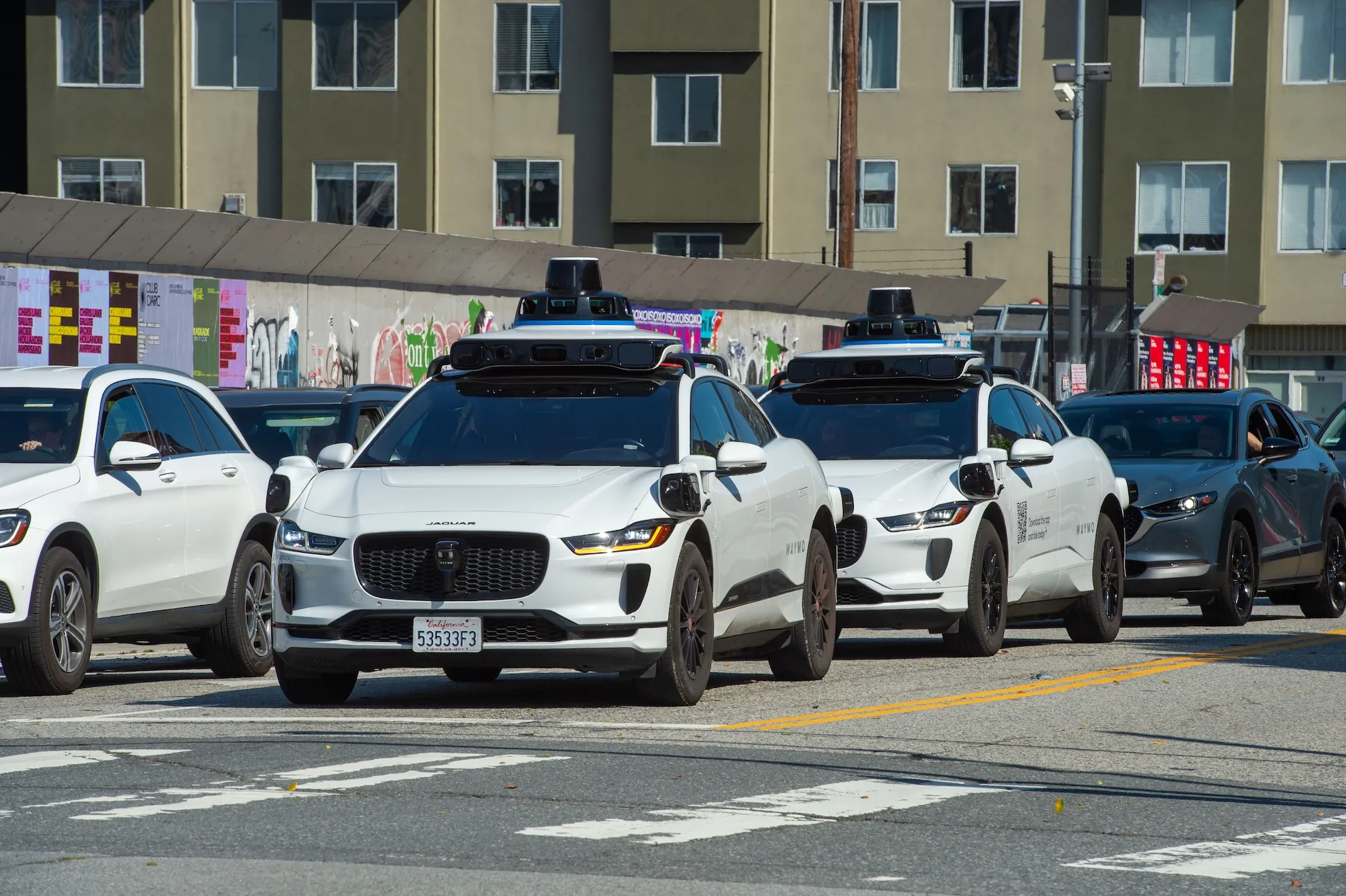
San Francisco Mayor Daniel Lurie has formally requested that the California Department of Transportation impose stricter regulatory requirements on autonomous vehicle operators, specifically citing Waymo, following a significant traffic disruption. The catalyst for this regulatory push was a July 4 incident where heavy traffic and fireworks displays at the Golden Gate Bridge resulted in thousands of people being stranded and key streets blocked by immobile Waymo robotaxis.
Lurie argues that the current regulatory framework is inadequate for managing major incidents, whether planned or unplanned, and contends that voluntary measures previously taken by Waymo are insufficient given the scale of their fleet. Consequently, Lurie has outlined four core operational capabilities that operators must demonstrate to ensure reliability under extraordinary conditions.
Under Lurie’s proposal, companies would be required to immediately remove or relocate robotaxis from active travel lanes to maintain traffic flow. They must also be able to adapt in real time, adjusting their routes, service areas, and pick-up and drop-off locations. Furthermore, operators would need to share real-time operations data with local agencies, including details on service disruptions and the locations of immobile vehicles, and prove through testing that they can handle large influxes of people and traffic.
The mayor pointed to two specific events in his letter to the state Department of Transportation: a widespread power outage in December and the Golden Gate Bridge fireworks show on July 4 that attracted 100,000 spectators. Both incidents led to dozens of stranded Waymo vehicles and paralyzed traffic, trapping municipal shuttles and creating a citywide problem. Lurie stated that these events demonstrated that California’s current rules do not adequately address how autonomous vehicles operate during major incidents.
Waymo is the largest operator in the Bay Area, with an estimated 1,000 robotaxis currently operating there and completing more than 500,000 paid rides every week across 11 cities. While the company had agreed to restrict service near the waterfront on July 4 and assigned a representative to the city’s emergency center, Lurie noted that these voluntary actions were no longer enough to prevent gridlock outside the restricted district.
Any company wishing to operate a robotaxi service in California must navigate testing and deployment permit processes administered by the state’s Department of Motor Vehicles and the Public Utilities Commission. San Francisco and the wider area stretching into Silicon Valley have long served as a testbed for autonomous vehicle technology, with six companies, including Nuro, Waymo, and Zoox, holding driverless testing permits.
TechCrunch has contacted Waymo for comment regarding the mayor’s proposal. The article will be updated once the company responds. Lurie emphasised that the four proposed requirements would not undermine autonomous vehicles but would instead strengthen them by ensuring they can perform reliably during extraordinary conditions.