Samsung extends Wear OS support window to five years for Galaxy Watch 9 series
The Galaxy Watch 9 and Ultra 2 will launch with Wear OS 7 and receive five years of OS upgrades, exceeding the four-year guarantee of the previous generation and aligning with the company’s existing security patch commitment.
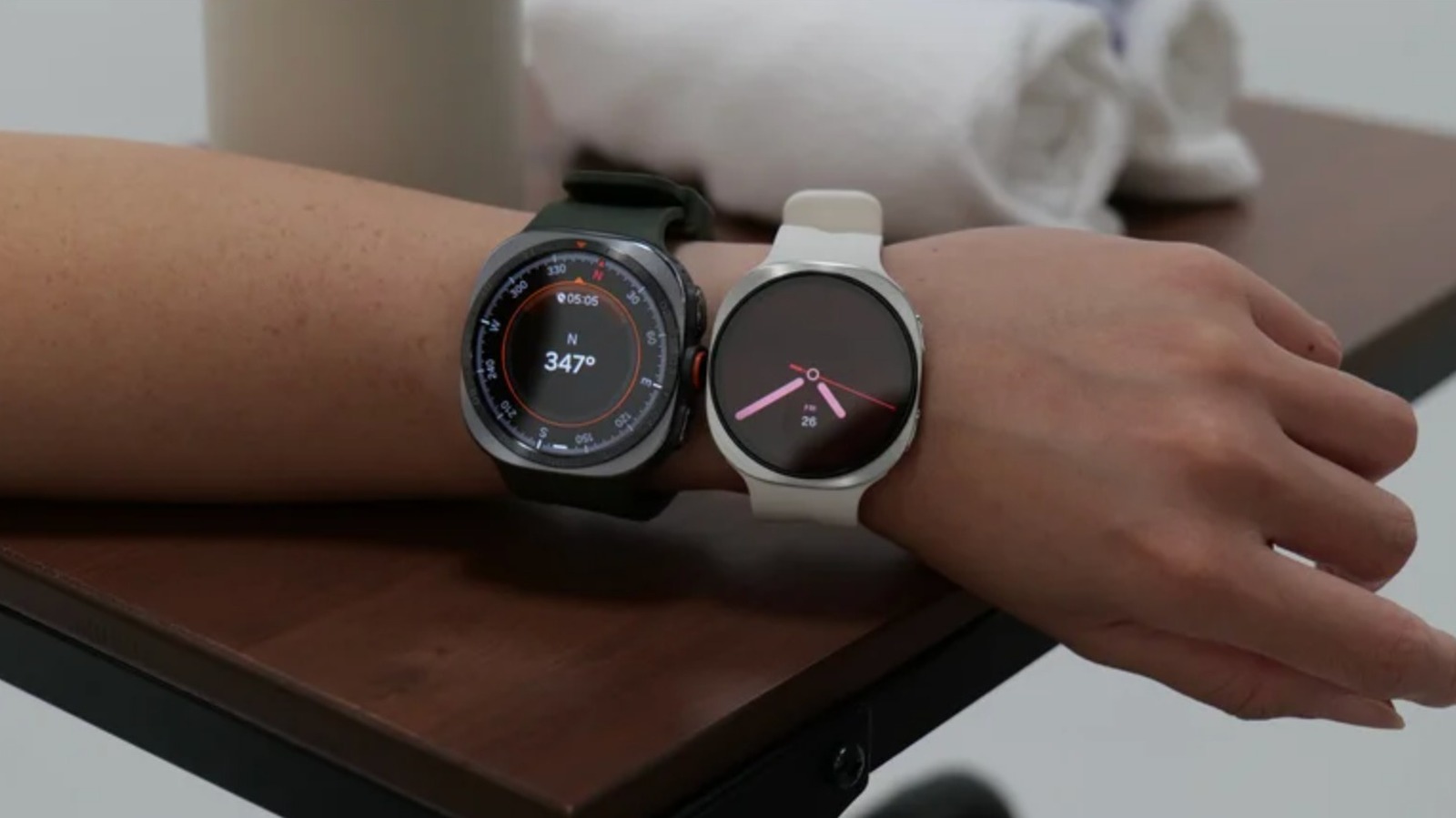
Samsung has committed to providing five years of Wear OS software updates for its latest smartwatches, the Galaxy Watch 9 and Galaxy Watch Ultra 2. The announcement was made during the Galaxy Unpacked event, confirming that the devices will receive operating system upgrades until 2031. This support period begins with Wear OS 7 and extends beyond the four-year guarantee offered for the previous Galaxy Watch 8 generation.
The five-year software update cycle aligns with Samsung’s existing five-year commitment to security patches for these devices. Historically, wearables have received shorter support windows than smartphones, which are often viewed as higher-cost, long-term investments. This move brings Samsung’s wearable support closer to the five-year security commitments seen in its smartphone line, while still exceeding the three-year update cycle typical of competitors such as Google’s Pixel Watch.
Samsung’s latest wearables are the first to secure a five-year Wear OS update guarantee. This represents a significant shift for the company’s wearable division, as it marks the first time the manufacturer has extended OS upgrade support to this duration for a smartwatch. The decision reflects a gradual increase in support commitments from Google for wearable devices, aiming to improve the long-term value proposition for wrist-based technology.
In addition to the extended software support, the new devices feature hardware improvements. The Galaxy Watch 9 includes a 20 per cent battery capacity increase over its predecessor, while the Galaxy Watch Ultra 2 display brightness has been increased to 5,000 nits, up from 3,000 nits on the previous model. Both devices also incorporate new AI-powered health-tracking features.
While the extended support window offers longevity, it remains unclear how many consumers will retain their smartwatches for the full five-year period. Claims regarding battery performance and brightness levels are based on manufacturer specifications and initial impressions, with actual user experience subject to variation. The long-term stability of the new AI-powered health-tracking features in real-world conditions is also not yet fully established.