Salvadoran inmates from rival gangs navigate fragile co-existence under state of emergency
Under a sweeping state of emergency, young women from rival gangs MS-13 and Barrio 18 are being detained in large numbers, with some facilities now facilitating co-existence programmes to manage the influx.
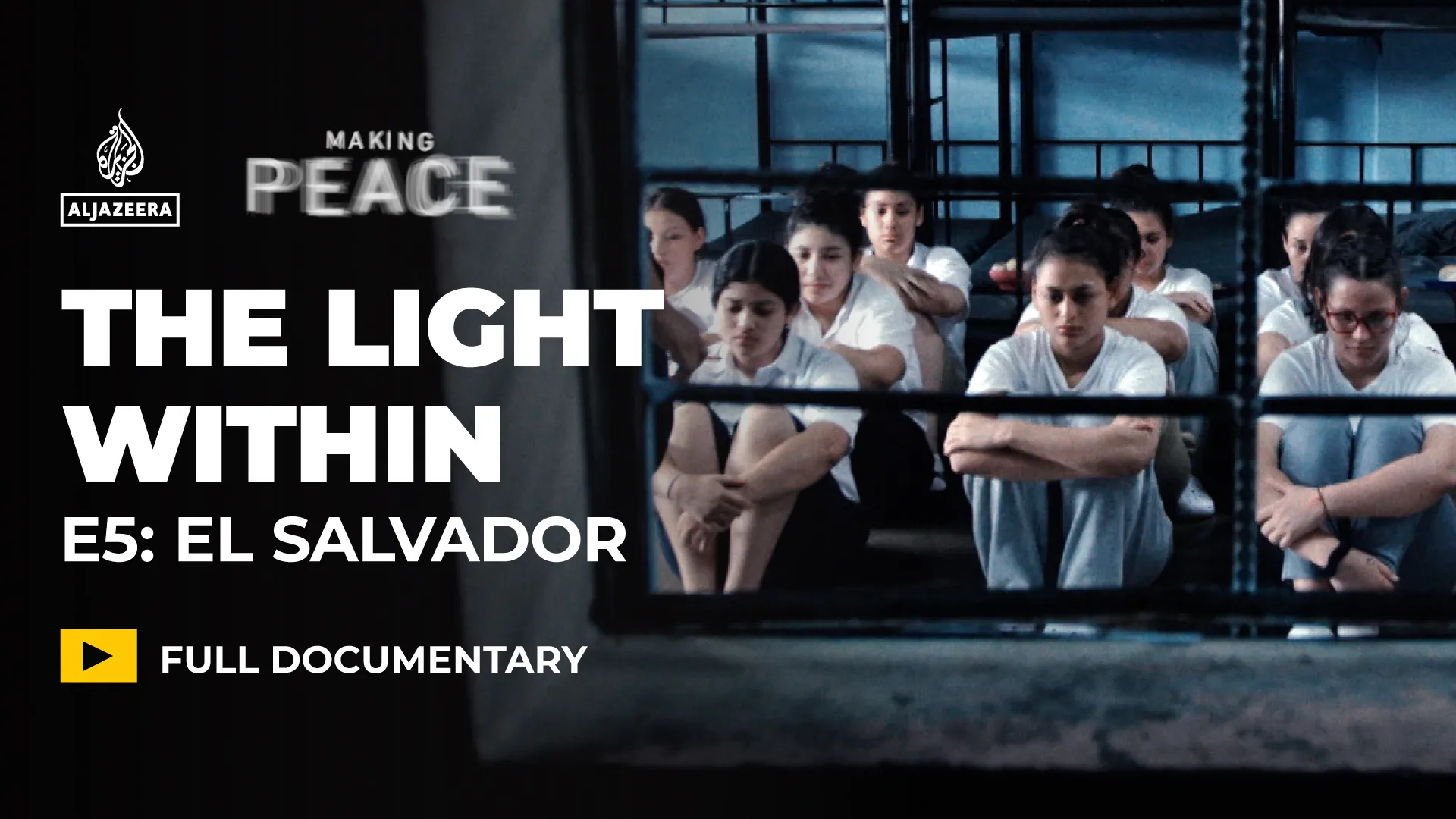
El Salvador’s government has implemented a sweeping state of emergency designed to regain control of communities previously dominated by gang influence. This security strategy has resulted in the widespread detention of young women affiliated with rival organisations, specifically MS-13 and Barrio 18. The detentions are part of large-scale operations aimed at dismantling gang structures within local neighbourhoods.
Inside one of the country’s detention facilities, the traditional model of separation is being challenged by necessity. Inmates Andrea, Mayte, and Gamez, each tied to different rival groups, now share the same cell. This arrangement marks a shift from the prison environment historically built on strict separation and control, requiring a new approach to daily management and inmate interaction.
Prison director Dolores oversees the daily routines of these detainees, guiding them through the complexities of living together. The facility has introduced structured activities to help the women navigate their co-existence. These efforts are described as fragile, reflecting the tension between the institutional need for order and the deep-seated rivalries among the inmates.
As part of their preparation for life beyond the penitentiary, the women engage in activities that allow them to process their experiences. They speak openly about their pasts and channel their aspirations into improvised rap verses. These creative outlets serve as a mechanism for coping with confinement and imagining a future outside the prison walls.
Despite these internal developments, the legal and personal futures of the detainees remain uncertain. There is no confirmed timeline for release, and the inmates do not know when, or if, they will be able to reunite with their families. The broader security policies continue to dictate the conditions of their detention, leaving their long-term outcomes unresolved.
The narrative of co-existence within the prison is currently being documented through a video series titled The Light Within. This source provides a view of the inmates' experiences, though it represents a specific narrative perspective on the broader security situation. Independent verification of the general behaviour of the wider prison population under the state of emergency is not currently available.
The situation highlights the operational challenges faced by the Salvadoran justice system as it manages a significant increase in detainees. The shift towards facilitating co-existence among rival gang members indicates a pragmatic adjustment to the scale of the emergency measures. However, the lack of clarity regarding release dates and family reunification remains a central uncertainty for those detained.