Salah’s Final Liverpool Appearance Highlights Cultural Shift in European Football
As Mohamed Salah prepares for his last match for Liverpool, journalists and peers emphasise his legacy as a trailblazer for North African and Muslim athletes, challenging stereotypes and inspiring a new generation.
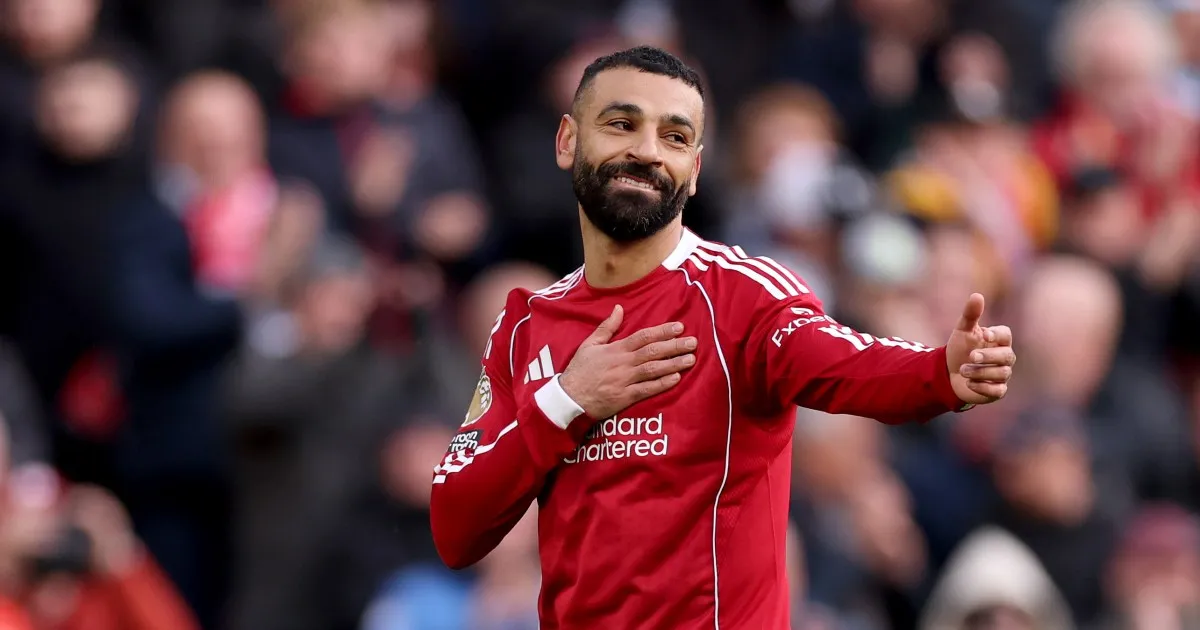
Mohamed Salah is set to play his final match for Liverpool against Brentford at Anfield on Sunday, marking the conclusion of a tenure spanning nearly a decade at the Premier League club. The 33-year-old Egyptian forward, who announced his departure in March, is widely recognised as one of the club’s greatest players, having scored more than 250 goals and secured two Premier League titles. Liverpool manager Arne Slot stated that Salah “deserves a big send-off” following his significant contributions to the team.
Beyond his on-pitch statistics, which include four league Golden Boots and three PFA Players of the Year awards, Salah’s legacy is defined by his impact as an openly Muslim and North African icon in European football. Journalists note that his visibility has played a role in challenging rising Islamophobia in the UK and Europe, with his presence providing a positive representation for young players from similar backgrounds.
London-based football journalist Ahmed Shooble described Salah as “authentically himself,” noting that his visibility challenges prevailing narratives. Shooble recalled personal struggles navigating the English football culture, which he associated with drinking and gambling, both of which are forbidden in Islam. He cited Salah’s presence as a positive influence, observing that the forward’s piety and humility counter untrue stereotypes about Muslims.
Shooble highlighted Salah’s trademark celebration of *sujoud* (prostration) as a testament to his faith and humility. He argued that Salah’s unapologetic adherence to his beliefs contributes to lessening Islamophobia simply by being himself, without forcing a narrative or being overly performative. This authenticity, Shooble noted, allowed him to see his own identity take up space on the global stage for the first time.
Sports journalist Maher Mezahi emphasised Salah’s role as a trailblazer for North African players, referencing the disciplined upbringing Salah experienced in Nagrig, Egypt. Mezahi noted that as a youth, Salah commuted four hours each way by bus to train in Cairo, instilling a sense of discipline that carried him to the global stage. This journey has inspired fellow Egyptian international Ibrahim Adel, who cited Salah as motivation for his move from the UAE to the Danish side Nordsjaelland.
Salah is set to captain the Egypt squad for the 2026 FIFA World Cup, where he will play alongside Adel. Mezahi described Salah as the greatest Egyptian player of all time, noting that his success provides a role model for 10-year-olds who might otherwise think such achievements are beyond their reach. His departure from Liverpool leaves a void not just in sporting statistics, but in the cultural fabric of European football.