Sahel juntas face mounting criticism over rights crackdowns and security failures
Activists and researchers describe a regional trend of authoritarian repression as journalists flee and democratic institutions are dismantled across the Sahel Alliance.
Military leaders in Mali, Burkina Faso, and Niger are intensifying the suppression of press freedom and expression, utilising criminal defamation and antiterrorism laws to detain journalists, bloggers, and activists. Since the coups between 2020 and 2023, these regimes have imposed sweeping restrictions that have forced many media workers into exile and led to the shutdown of independent radio stations and online platforms.
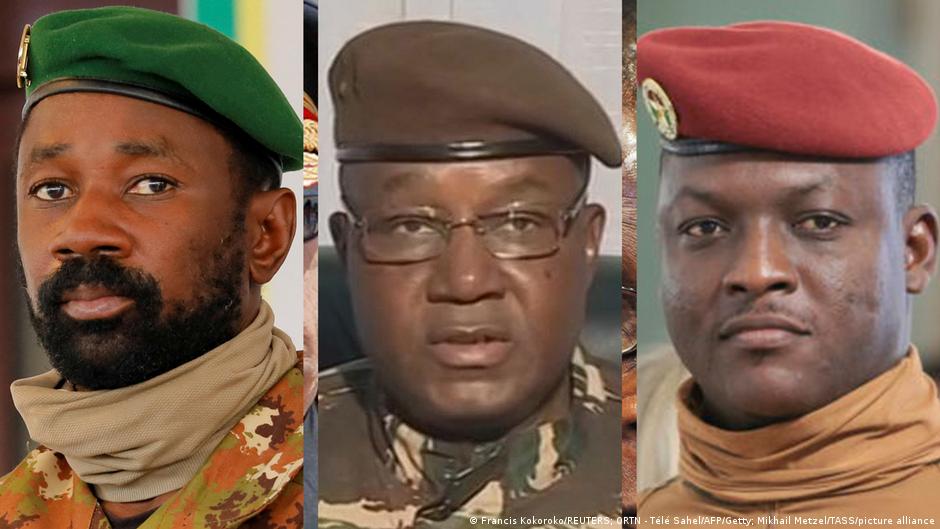
In Mali, General Assimi Goita has consolidated power following two military coups, with the National Transitional Council passing a draft law in 2025 to extend his rule for another five years. Despite initial improvements in security that allowed some farmers to return to their fields, the situation has deteriorated significantly. Jihadist insurgents continue to control significant territories, and on 25 April 2026, unidentified armed groups launched attacks on military positions in Bamako, Kati, Gao, and Sevare, with heavy weapons fire reported near Modibo Keïta International Airport.
Ulf Laessing, former director of the Konrad Adenauer Foundation's Sahel program in Mali, noted that the security situation has worsened, with little chance of the government recapturing insurgent-held areas. He observed that while there are reasons for public discontent, many citizens fear that any change in leadership would result in a more Islamist government, a scenario they wish to avoid.
In Burkina Faso, President Ibrahim Traore has curtailed democratic rights, reinstated the death penalty, and suspended foreign media outlets, including Deutsche Welle and the Guardian. In early April 2026, Traore stated on national television that "democracy kills" and urged citizens to forget about democratic principles. Human rights activist Binta Sidibe-Gascon reported that public space no longer exists, with critics being sent to the front lines and forced into silence.
The arrest of Imam Mohamed Ishaq Kindo in May 2026 sparked unrest in Ouagadougou, resulting in clashes with police and dozens of arrests. Additionally, the General Union of Students of Burkina Faso was suspended for three months, with its leadership arrested for allegedly glorifying terrorism. Ilaria Allegrozzi of Human Rights Watch called on international partners to stop hiding behind the notion that condemning the junta is counterproductive, arguing that silence legitimises authoritarian excesses.