Rwanda signs nuclear cooperation accord with Russia amid shifting African alliances
The memorandum of understanding signed in Kigali includes feasibility studies for a small modular reactor and student exchanges, as President Paul Kagame balances ties with Moscow, Washington, and European partners.
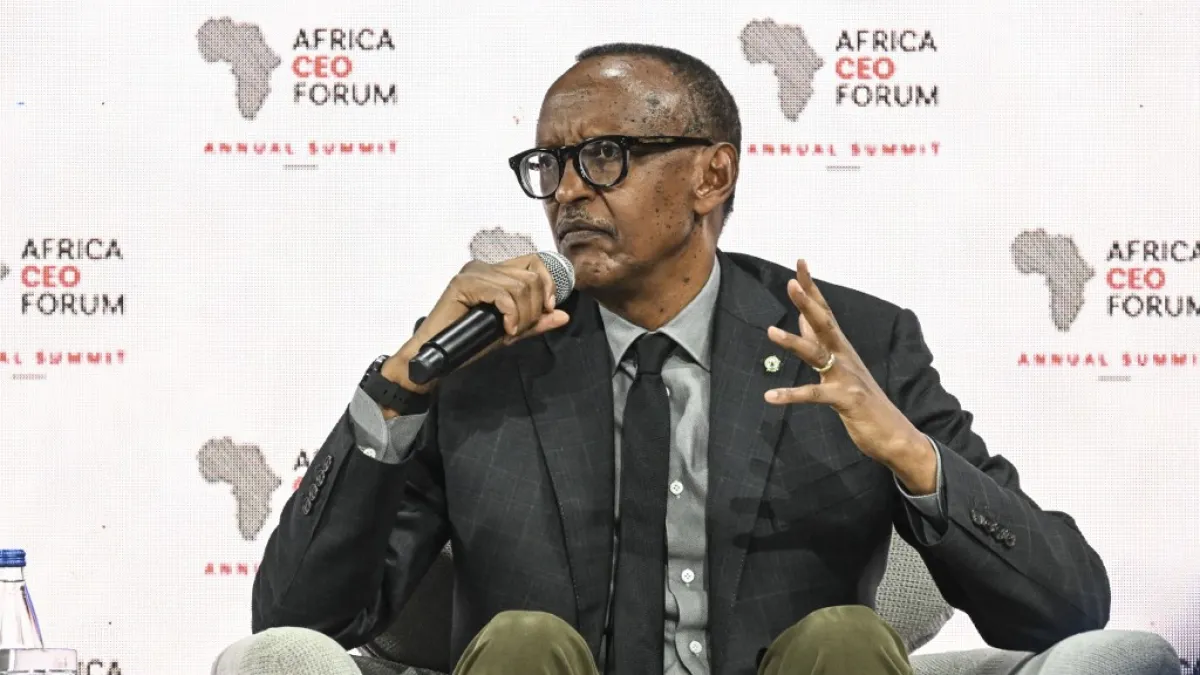
Rwanda has formalised a nuclear cooperation agreement with Russia, signing a memorandum of understanding (MoU) on May 19 at the Nuclear Energy Innovation Summit in Kigali. The deal, which focuses on training, research, and nuclear medicine, is designed to establish the East African nation as a regional hub for technology and advanced healthcare.
Under the agreement, Rwanda will engage in student exchanges with Russia to build domestic technical capacity in nuclear engineering. Government spokesperson Yolande Makolo confirmed that feasibility studies are currently underway for a small modular reactor (SMR) facility and a Centre for Nuclear Science and Technology. These projects are in their early stages, with operational timelines likely extending a decade or more.
The pact is part of a broader diplomatic strategy by President Paul Kagame to diversify international partnerships and avoid over-reliance on any single power. Alongside the Russian agreement, Rwanda has signed MoUs with the United States on civil nuclear cooperation, as well as separate agreements with firms from South Africa and Austria. This multi-vector approach allows Kigali to compartmentalise partnerships, aligning technical needs with specific geopolitical interests.
Russia’s outreach is leveraging a policy of non-interference and respect for sovereignty, which appeals to African leaders frustrated by perceived inconsistencies in Western foreign policy. Professor Macharia Munene noted that Moscow’s approach is viewed as more predictable, offering investment and training without the political strings often attached to Western aid. This strategy is part of a wider Russian push across the continent, with similar nuclear engagements reported in Egypt, Ethiopia, Nigeria, Ghana, and South Africa.
Analysts suggest the agreement serves dual purposes: technical development and political signalling. While the immediate focus is on capacity building and healthcare improvements through nuclear medicine, the deal also demonstrates Rwanda’s scientific ambition. Beverly Ochieng of Control Risks observed that such agreements allow Rosatom to dominate technical capacity while enabling African nations to pursue development pragmatically, hedging against global political uncertainty.