Ruto defends Kenya’s Ebola containment strategy amid misinformation concerns
Kenyan leadership faces scrutiny over public health preparedness as rumours and scepticism hinder efforts to manage the Ebola threat.
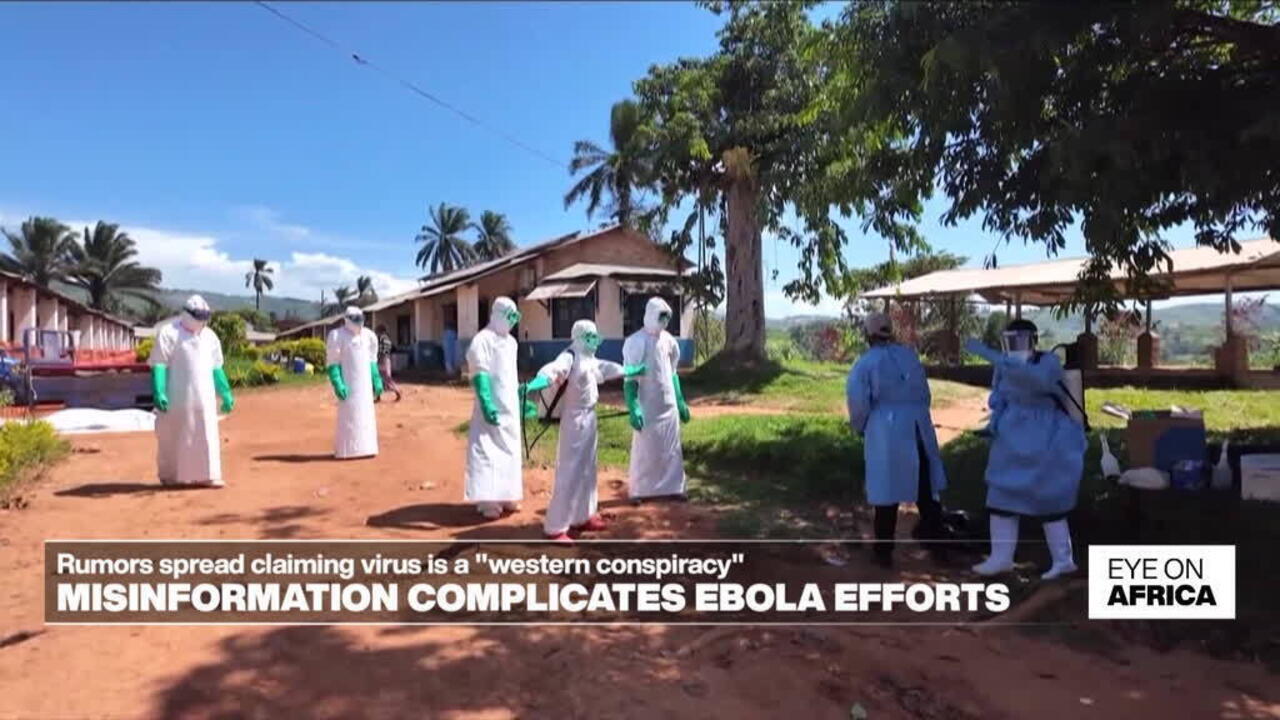
Efforts to contain the Ebola outbreak are currently facing significant headwinds, with public health officials grappling with widespread mistrust and the spread of rumours. The proliferation of misinformation has complicated containment strategies, creating a challenging environment for authorities attempting to manage the crisis effectively.
In response to these growing concerns, Kenyan President William Ruto has publicly defended the nation’s preparedness measures. The President’s intervention aims to reassure the public and reinforce confidence in the government’s approach to managing the potential health threat.
Central to Kenya’s defence strategy is a quarantine facility that has received support from the United States. President Ruto highlighted this infrastructure as a key component of the country’s readiness, underscoring the international cooperation involved in bolstering local health security capabilities.
The President’s comments come at a critical juncture where the efficacy of official health messaging is being tested. By pointing to the existence of a US-supported facility, the administration is seeking to demonstrate tangible progress and institutional strength in the face of public scepticism.
While the specific details of the outbreak’s scale remain general in current reports, the focus has shifted towards the political and social dynamics surrounding the response. The interplay between official preparedness and public perception is now a central theme in the discourse surrounding Kenya’s health security.
The inclusion of international support in the narrative suggests a broader diplomatic engagement in regional health matters. However, the persistence of rumours indicates that infrastructure alone may not be sufficient to overcome deep-seated public mistrust without effective communication strategies.
As the situation evolves, the government’s ability to balance operational readiness with public reassurance will be closely watched. The defence of current measures by the President signals a commitment to maintaining stability and confidence in the face of ongoing health challenges.