Russia’s Supreme Court finalises exclusion of anti-war Yabloko party from elections
The ruling removes the country’s only explicitly anti-war party from the legislative vote, cementing a political landscape where dissent is increasingly criminalised.
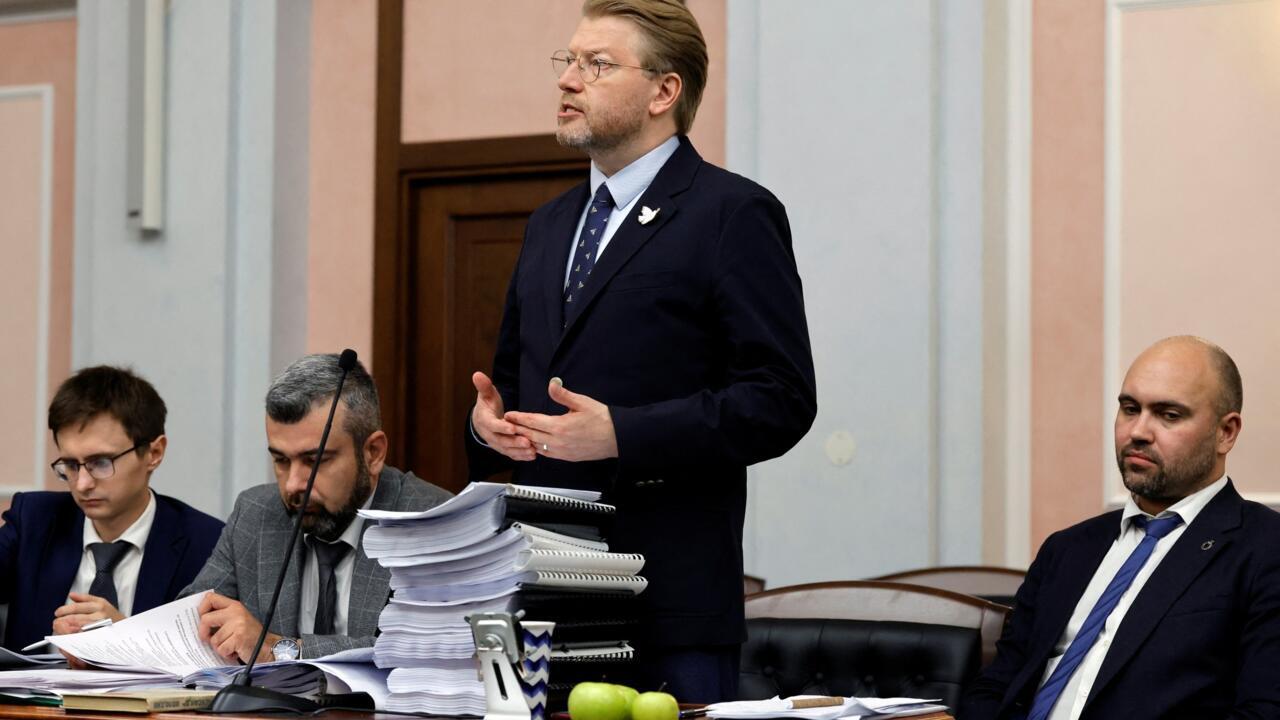
Russia’s Supreme Court has upheld the exclusion of the liberal opposition party Yabloko from the upcoming September legislative elections, effectively removing the country’s only explicitly anti-war party from the ballot. The decision confirms a lower court ruling that revoked the party’s registration for the State Duma elections, a move that strips voters opposed to the conflict in Ukraine of their final political option on the ballot.
The exclusion follows a legal suit initiated by a nationalist party, which accused Yabloko of receiving foreign funding and committing copyright violations. The nationalist group had previously succeeded in removing Yabloko from the ballot last week, prompting the current appeal. In a statement regarding the Supreme Court’s final determination, Yabloko confirmed that the Appeals Chamber had upheld the decision to revoke its federal list of candidates, while announcing plans to seek a supervisory review of the ruling.
Tensions were high outside the court in Moscow as the hearing commenced. Police officers pushed away journalists and supporters attempting to cover the proceedings, including reporters from AFP. Kirill Goncharov, head of Yabloko’s Moscow branch, told Novaya Gazeta that police appeared nervous and estimated that more than 60 supporters had been taken to nearby police stations. He noted that some teenage detainees had already been released, though the exact number of those held remained fluid.
Party leader Nikolay Rybakov characterised the security presence and subsequent detentions as intimidation. Outside the court, supporters expressed concern over the broader implications for civil liberties. One attendee, Yevgeny Lyapin, described the event as a blow to democracy across the country, while an 18-year-old supporter, Maria, contrasted the leadership’s rhetoric of national greatness with the public’s desire for freedom.
The legal pressure on the party extends beyond electoral bans. In a separate case heard on Monday, Yabloko deputy chairman Lev Shlosberg was sentenced to 11 years and one month in prison for comments criticising Moscow’s offensive in Ukraine. With most of President Vladimir Putin’s political opponents jailed, in exile, or dead, Yabloko remains the only liberal party still operating within Russia, even as its capacity to contest elections is systematically dismantled.