Russian territorial gains stall as Kyiv reclaims land and strikes energy infrastructure
Data from the Institute for the Study of War and US Defence Intelligence Agency reveal a significant deceleration in Russian advances, while Ukraine targets oil terminals and secures new air defence capabilities.
Russia’s military advance in Ukraine has slowed markedly in 2026, with net territorial gains dropping to 104 square kilometres between January and May, a sharp decline from the 1,619 square kilometres recorded in the same period last year, according to the Washington-based Institute for the Study of War (ISW). While Russian forces have infiltrated and contested an additional 628 square kilometres, they have failed to secure control over these areas, indicating a strategic standstill in the ground war. This stagnation contrasts with Ukraine’s recent operational successes, including the recovery of approximately 400 square kilometres around Dnipropetrovsk in the first quarter, the largest single territorial recovery since late 2022.
Ukrainian President Volodymyr Zelenskyy stated that Russian casualties have reached 145,000 this year, comprising 86,000 killed and 59,000 seriously wounded. Defence Minister Mykhailo Fedorov calculated this equates to 179 Russian losses per square kilometre of advance, a rate significantly higher than the 67 recorded last year and exceeding current Russian recruitment capabilities. The US Defence Intelligence Agency (DIA) attributed part of Ukraine’s territorial clawback to Russia losing access to Starlink satellite services, which were critical for targeting and counter-battery fire, while Kyiv credits its strategy of interdicting logistics through mid-range drone and artillery strikes.
The economic pressure on Moscow has intensified, with Russia’s Central Bank reporting the sale of 27.9 tonnes of gold reserves this year, valued at over $4 billion. These sales, undertaken after Russia exceeded its 2026 budget deficit allowance by April, have reduced its gold holdings to their lowest level since the full-scale invasion began in February 2022. This financial strain coincides with sustained Ukrainian long-range strikes on Russian energy infrastructure, including an oil depot at Novorossiysk on May 23 and the Tamanneftegaz terminal on May 24, aimed at disrupting the funding mechanisms for the war effort.
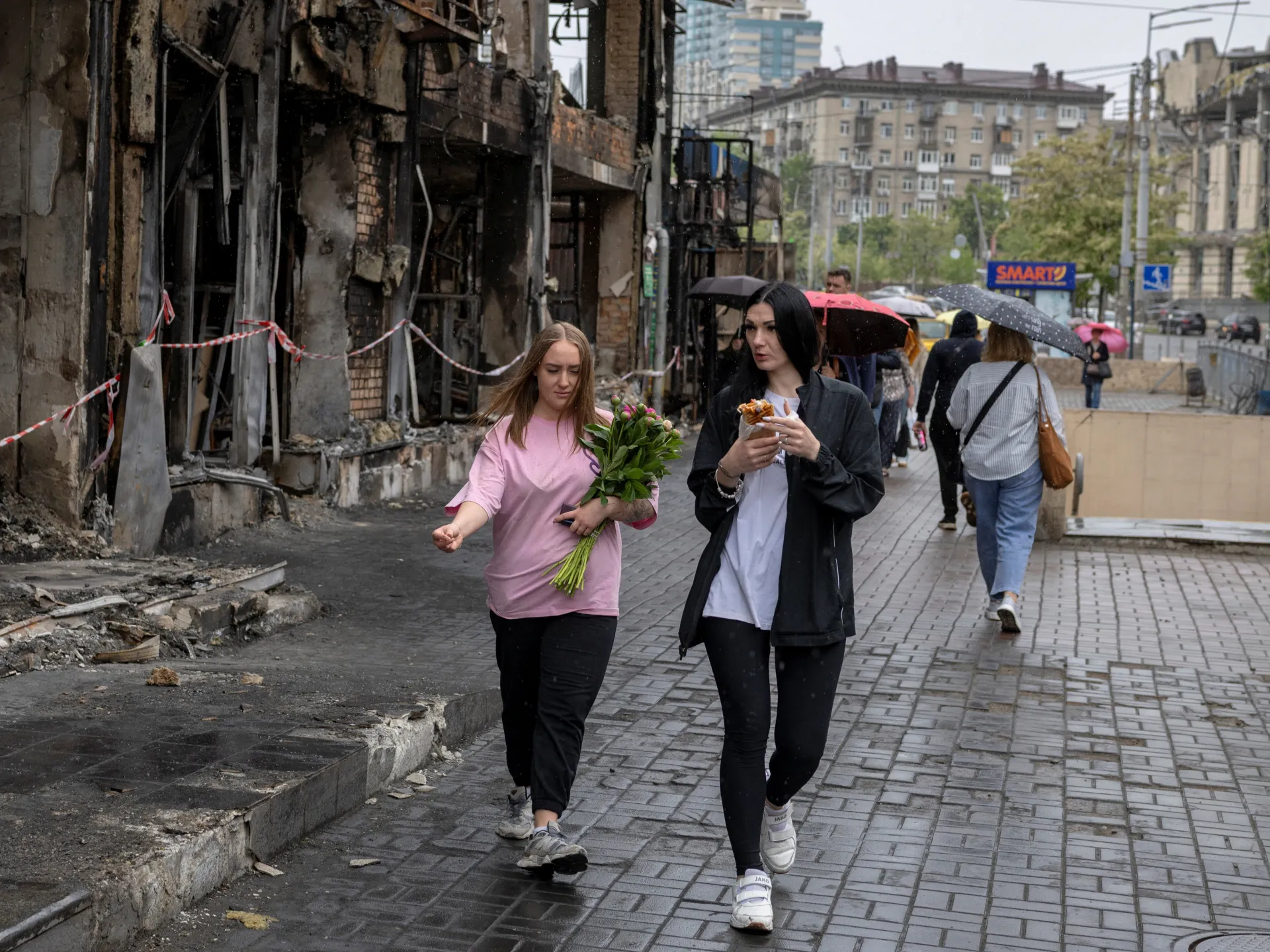
Military support for Kyiv has expanded with Sweden’s announcement on May 28 to donate 16 Gripen warplanes, alongside a separate deal for Ukraine to purchase 20 additional aircraft through an EU loan valued at $2.9 billion. Zelenskyy emphasised that these fighters, equipped with Meteor missiles capable of striking targets over 200 kilometres away, are essential for countering Russian glide bombs, which Moscow drops at a rate of approximately 3,000 per week. This air defence boost comes as Russia continues to rely on heavy aerial bombardment, including a combined attack on Kyiv on May 24 involving 600 drones and 90 missiles, which damaged government buildings and cultural sites, injuring at least 87 people and killing two.
Moscow has framed its recent aerial campaigns as retaliation for a strike on a college in occupied Luhansk, which it claimed killed six students, although Ukraine stated the target was a centre for Advanced Unmanned Technologies. Russian Foreign Minister Sergei Lavrov informed US counterpart Marco Rubio that Russia would begin striking military sites in Kyiv, warning foreign citizens to leave and highlighting the use of the Oreshnik intermediate-range missile. The conflict continues to evolve into a war of attrition, with both sides adjusting tactics in response to shifting logistical realities and international support dynamics.