Russia seeks deeper ties with Beijing amid geopolitical realignment
Analysis suggests China holds stronger leverage while Washington and Moscow remain occupied with ongoing conflicts
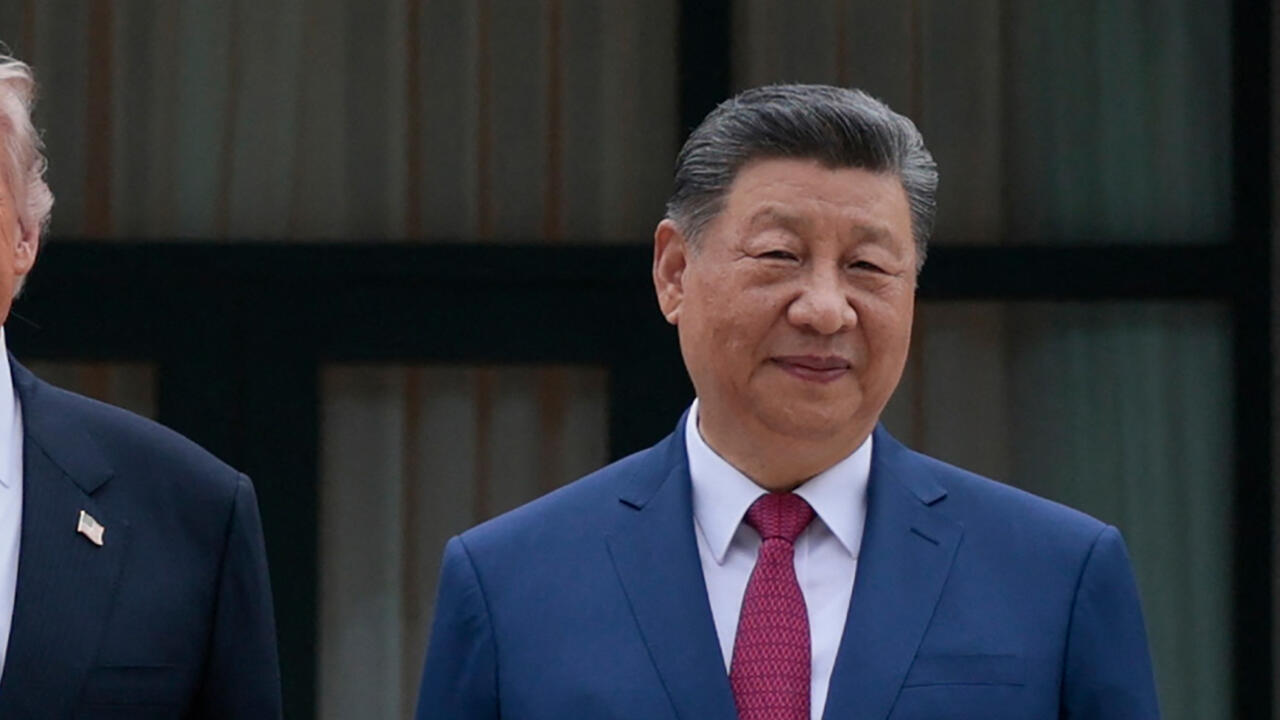
Russia has signalled strong anticipation for its forthcoming diplomatic engagements with China, stating it holds "high expectations for the trip" as both nations move to consolidate their bilateral relationship. The Kremlin continues to characterise the alliance as a "privileged partnership", a description that underscores the strategic importance Moscow places on maintaining robust ties with Beijing.
The trajectory of the relationship between President Vladimir Putin and President Xi Jinping has shifted markedly since the onset of the Ukraine invasion. As Russia has faced increasing isolation from the global stage, the diplomatic and economic bonds between the two powers have deepened significantly, reflecting a mutual adaptation to a fractured international order.
An analysis by FRANCE 24’s Philip Turle examines the evolving dynamics of this alliance, suggesting a transactional nature to the growing partnership. The report posits that China is currently in a stronger position relative to its Russian counterpart, leveraging the geopolitical shifts to enhance its own standing.
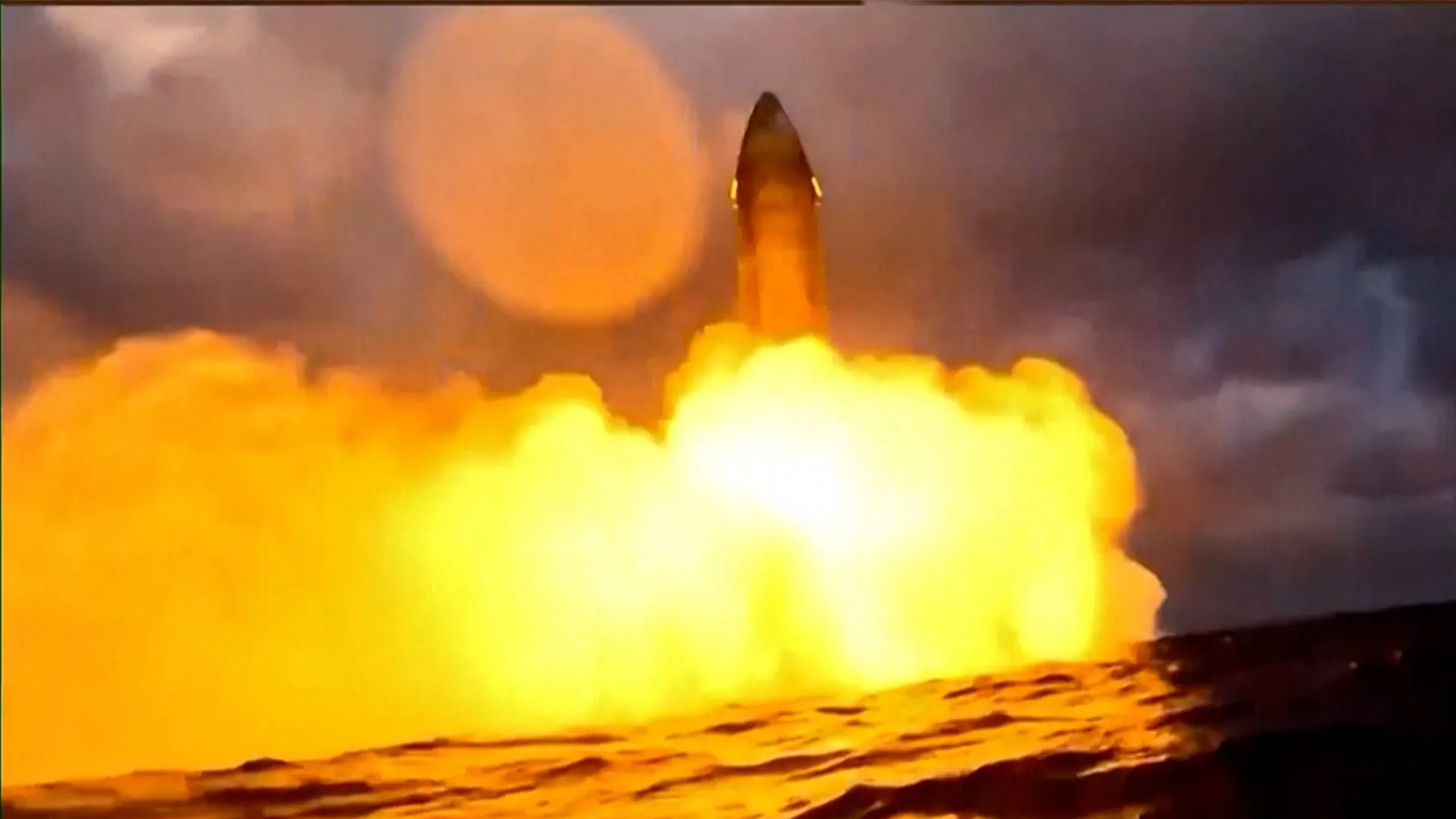
The analysis further characterises the broader geopolitical landscape by noting that the United States and Russia remain "embroiled in wars they started". This perspective highlights how the protracted conflicts have occupied the attention and resources of both Western and Russian leadership, potentially altering the balance of power in favour of Beijing.
While the specific outcomes of the upcoming talks remain to be seen, the current diplomatic push indicates Russia’s intent to solidify its strategic foothold in Asia. The emphasis on a "privileged partnership" suggests that Moscow views this relationship as a critical pillar of its foreign policy as it navigates its continued separation from Western institutions.
The evolving Sino-Russian dynamic presents a complex challenge for global governance structures. As the relationship matures, it reflects a broader trend of realignment where traditional alliances are being tested and new power centres are asserting greater influence in international affairs.