Russia records first territorial losses in Ukraine since 2024 as conflict shifts to attrition
Experts describe the situation as a war of attrition where Moscow's advance has slowed significantly since November 2025 due to mobilisation challenges and restricted communications.
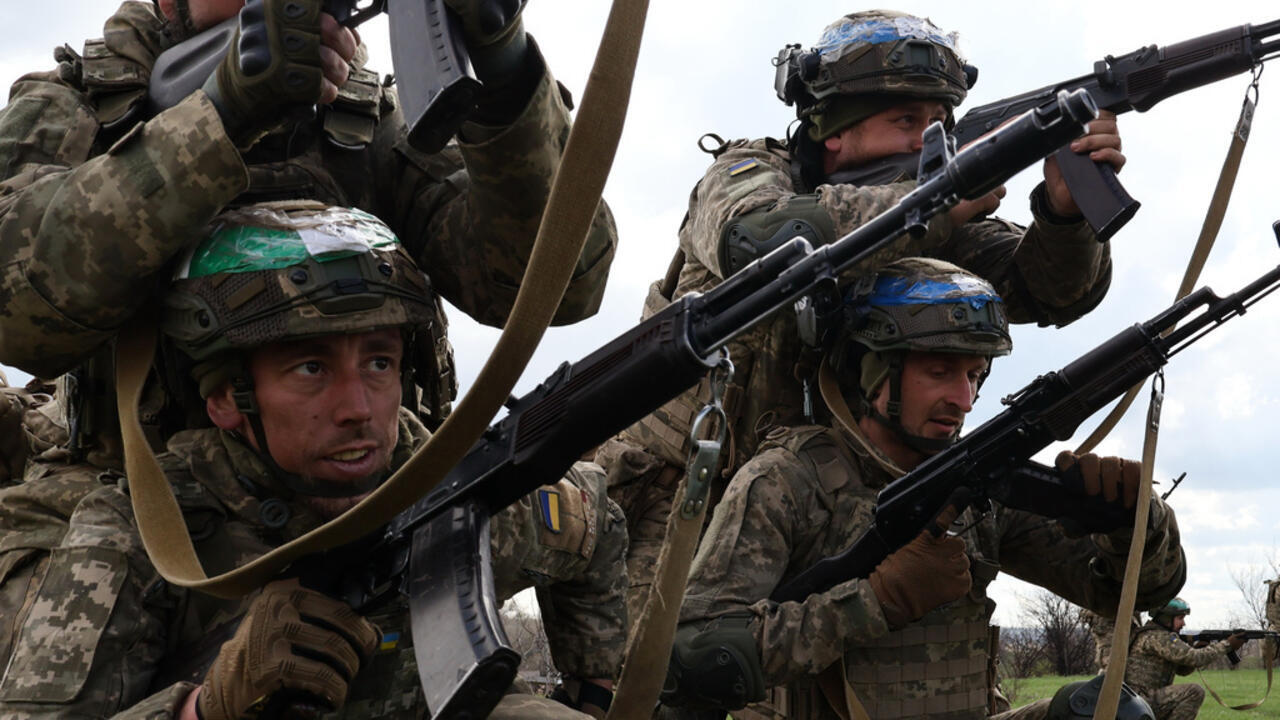
An analysis published by the Institute for the Study of War (ISW) confirms that Russia lost approximately 116 square kilometres of territory in Ukraine during April 2026. This marks the first instance of such losses for Moscow since Ukraine's incursion into Russia's Kursk oblast in August 2024. The territorial gains were recorded in the Sumy region and Zaporizhzhia province, signalling a shift in the momentum of the conflict.
The report, released on 2 May 2026, notes that Russia's advance has slowed significantly since November 2025, with overall progress in 2026 appearing sluggish compared to the same period last year. However, experts caution that year-on-year comparisons remain difficult due to the changing nature of the war, specifically the increased use of infiltration tactics by Russian forces. These tactics are often employed to create a perception of continuous advances and to support cognitive warfare efforts, yet the areas involved are frequently contested gray zones rather than fully controlled territory.
Military specialists characterise recent Russian movements not as a large-scale strategic retreat, but rather as tactical withdrawals. Both sides continue to test enemy defences at various points along the front line. While Moscow is still managing to advance modestly in priority areas such as the region around Pokrovsk and towards Kramatorsk, the ability to inflict unsustainable losses on the opposing side has become more critical than the acquisition of ground.
The current phase of the conflict is increasingly defined by a war of attrition, where the capacity to sustain losses outweighs territorial expansion. Russia faces significant hurdles in troop mobilisation, including aggressive recruitment drives from universities that have resulted in forces that are less trained and effective than those deployed in previous years. This difficulty in securing new personnel is compounded by the reality that the front line is now largely manned by drones, making offensive operations significantly more dangerous for the attacker.
Ukraine has also leveraged a technological edge to disrupt Russian command and control. The decision by Starlink to cut off Russian access to its satellites, combined with the Kremlin's subsequent restrictions on Telegram for tactical communications, has forced Moscow to divert resources to defend its territory and maintain internal connectivity. Simultaneously, Kyiv is intensifying deep strikes on Russian infrastructure, further straining Moscow's ability to project power.
Despite these developments, the long-term strategic impact of the recent territorial losses remains uncertain. Experts warn that the 116 square kilometres lost in April will hold little significance if Russia eventually succeeds in destroying Ukrainian defences. The focus for both nations has shifted from holding ground to ensuring the other side cannot withstand the cost of continued engagement.