Russia leverages National Flag Day to project stability amid war
State-coordinated ceremonies in St Petersburg and across the country underscore the Kremlin’s reliance on national symbols to bolster public support during the ongoing conflict in Ukraine.
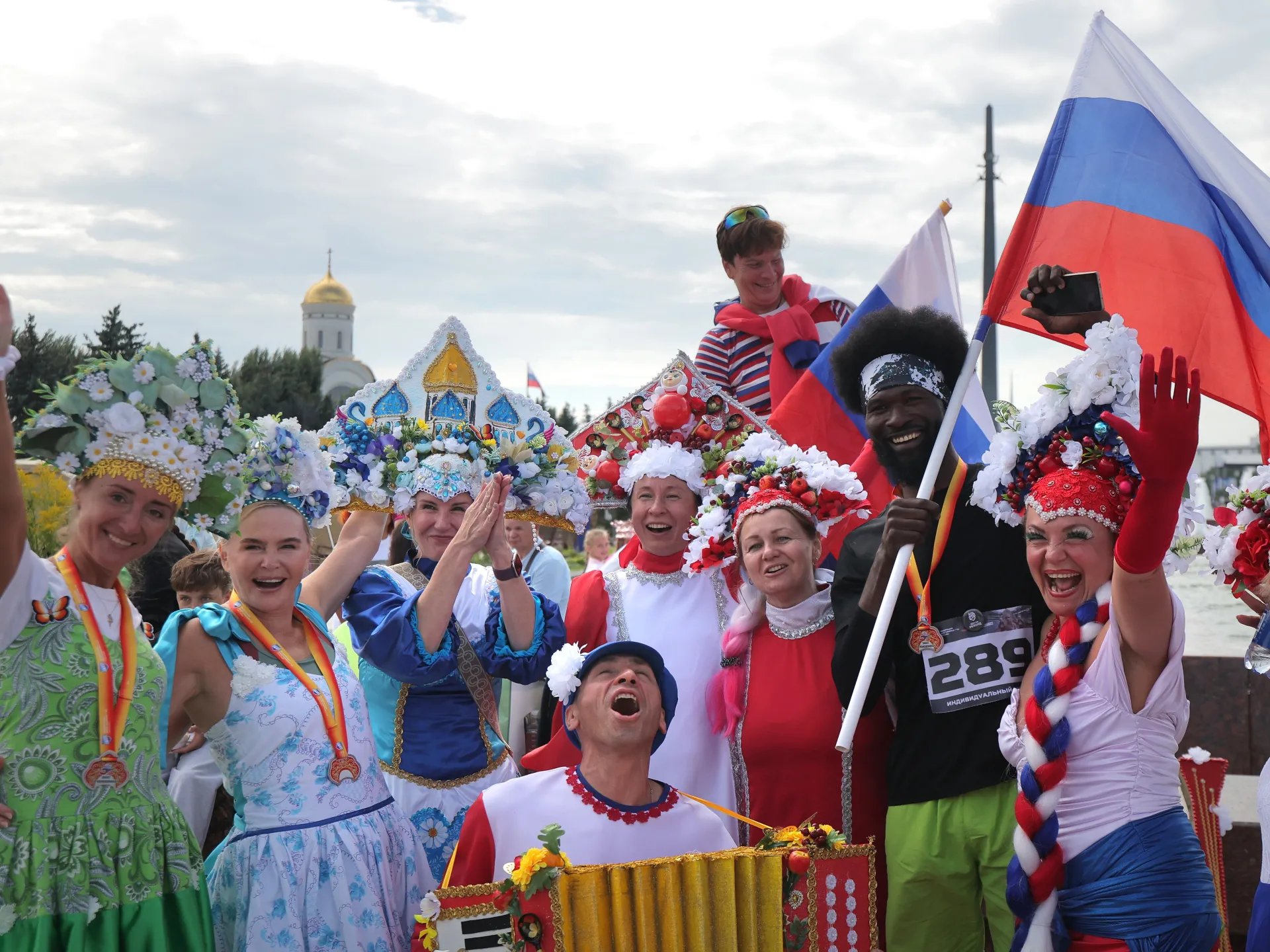
Russia marked National Flag Day on Saturday with official ceremonies and patriotic events across the country, including in St Petersburg, where participants gathered under a display of the national tricolour. The observance, established in the 1990s following the collapse of the Soviet Union, commemorates the adoption of the white, blue and red flag, which replaced the hammer-and-sickle emblem.
In St Petersburg, officials and participants took part in public events where the tricolour was prominently honoured. State media broadcast images of volunteers distributing ribbons in the colours of the flag, while choirs performed patriotic songs. Local authorities described the banner as a symbol of “unity and resilience,” framing the day as a moment of national cohesion.
Since Russia’s invasion of Ukraine in 2022, the flag has been increasingly integrated into pro-government rallies, school programmes and military commemorations. These efforts have reinforced official narratives regarding Russia’s historical mission and its defiance of Western sanctions. The current observance highlights the government's continued reliance on national symbols to manage domestic sentiment.
Analysts suggest that such events are intended to bolster public support and project a sense of normality, despite reports of economic strain and battlefield losses. With independent voices largely sidelined, the Kremlin’s use of patriotic messaging has become central to its political strategy at home and abroad.
The celebrations serve as a barometer for the administration’s approach to governance during a period of sustained confrontation with the West. By anchoring the holiday in historical continuity and national identity, the state aims to consolidate support for its broader policy objectives.