Russia and Taliban formalise military-technical cooperation amid regional tensions
Acting Defence Minister Mullah Mohammad Yaqoob warns Pakistan of consequences, while Moscow clarifies scope of deal signed near Moscow on May 27
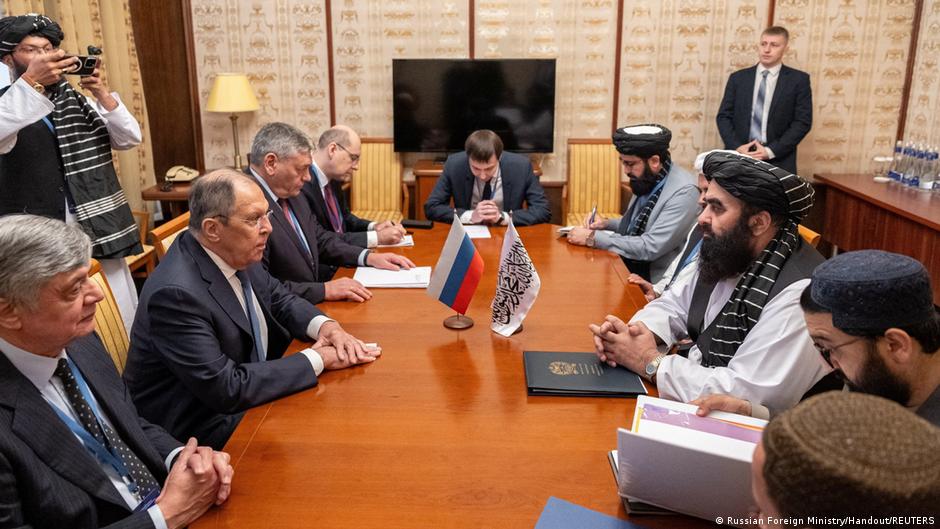
Russia and the Afghan Taliban have signed a military-technical cooperation agreement focused on the repair and maintenance of Soviet-era and Russian-made weapons systems, including helicopters and aircraft. The pact was signed on May 27 on the sidelines of a security conference near Moscow, marking a significant step in the relationship between the two parties. Acting Taliban Defence Minister Mullah Mohammad Yaqoob announced the deal in Kabul, stating that implementation would begin shortly and warning that Islamabad would "soon no longer dare" to attack Afghan territory.
Russian officials, including special envoy Zamir Kabulov, clarified that the agreement is limited to restoring existing equipment and does not constitute a formal defence or security alliance. Kabulov noted that the current priority is repairing systems already in Afghanistan's possession, though the deal could pave the way for future defence contracts. This clarification followed Yaqoob’s remarks, with Moscow moving quickly to narrow expectations and emphasise that the arrangements are strictly technical in nature.
The agreement arrives against a backdrop of escalating tensions between Afghanistan and Pakistan, with Islamabad accusing the Taliban of sheltering militants from Tehreek-e-Taliban Pakistan (TTP), allegations the Taliban deny. Cross-border shelling and air strikes have further strained relations. Yaqoob’s announcement was interpreted by analysts as a domestic messaging strategy aimed at raising morale within Taliban ranks after recent Pakistani strikes weakened confidence in the regime’s military capabilities.
Russia’s interests in the arrangement are largely security-driven, with Moscow seeking to maintain influence in Central Asia and counter Western presence. Russian Security Council Secretary Sergei Shoigu expressed opposition to the deployment of US or NATO bases in Afghanistan or neighbouring countries. Analysts note that Russia views the Taliban as a "relative security buffer" against threats such as Islamic State Khorasan (ISKP), which poses a risk to Central Asian stability and Russia’s internal security.
For the Taliban, the deal offers a means to sustain military capabilities amid severe economic strain and a deteriorating arsenal. While the regime has historically relied on Russian-made systems like the Mi-17 helicopter due to pilot familiarity, newer US-made equipment remains difficult to sustain without external support. The agreement also provides the Taliban with a degree of political legitimacy, as Russia remains the only country to have officially recognised the current regime in Kabul.