Russia and Belarus conduct joint nuclear drills amid regional security concerns
The Belarus defence ministry confirmed the drills, which follow the deployment of hypersonic missiles and a revised Russian nuclear doctrine, drawing condemnation from Kyiv and scrutiny over the post-New START security landscape.
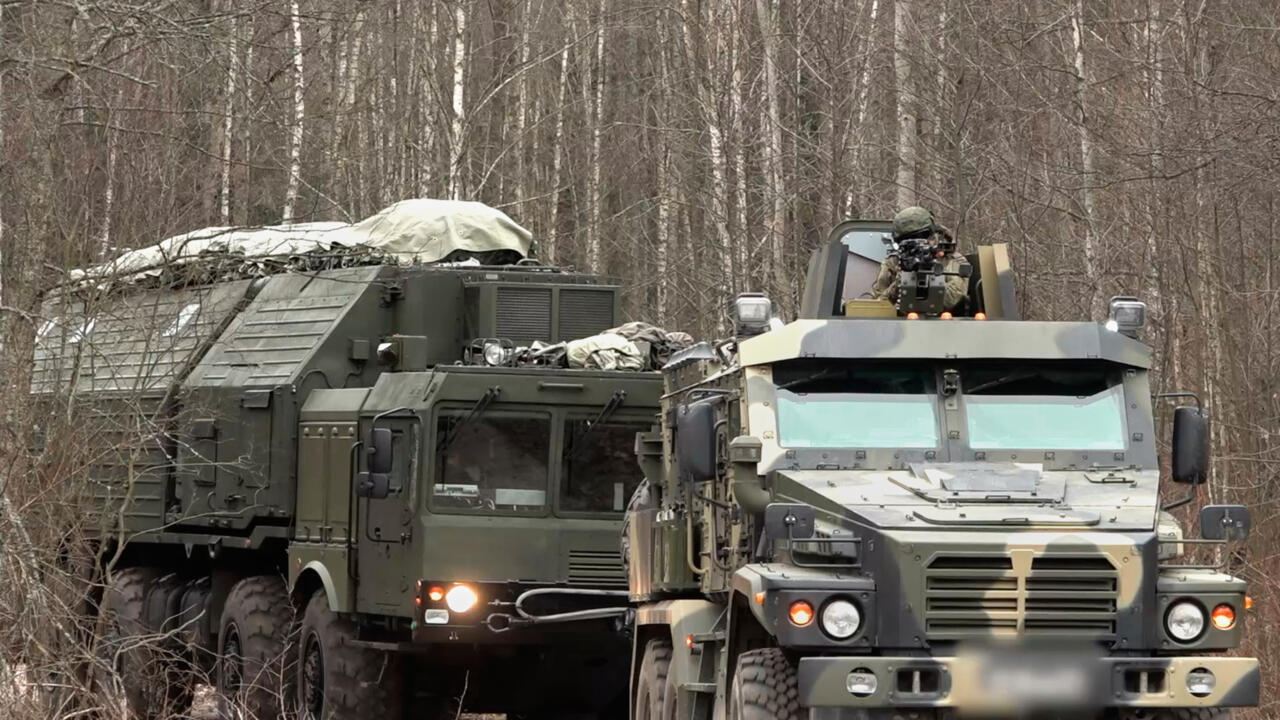
Moscow and Minsk have conducted joint military exercises to practice the delivery and use of Russian nuclear weapons, the Belarus defence ministry confirmed on Monday. The drills, which involved aviation and missile forces, were described by Belarusian authorities as cooperative training that is not directed against third countries and does not pose a threat to regional security.
The exercises follow the deployment of Russia’s Oreshnik hypersonic, nuclear-capable missile to Belarus last year. This deployment aligns with a revised nuclear doctrine released by Russia in 2024, which places Belarus under the Russian nuclear umbrella. Russian President Vladimir Putin has stated that while Moscow retains control of the nuclear weapons deployed to Belarus, Minsk would select targets in the event of a conflict.
Ukraine’s foreign ministry condemned the drills, describing the deployment of tactical weapons in Belarus as an "unprecedented challenge" to global security. In a statement, the ministry argued that by turning Belarus into a nuclear staging ground near NATO borders, the Kremlin is de facto legitimising the proliferation of nuclear weapons worldwide and setting a dangerous precedent for other authoritarian regimes.
The announcement comes shortly after Ukrainian President Volodymyr Zelensky ordered troop reinforcements along the Belarus border last week. Zelensky alleged that Moscow was preparing a new offensive from Belarus, seeking to drag the former Soviet republic deeper into the war. The Kremlin dismissed these allegations on Monday, characterising them as "an attempt at further incitement".
The drills take place against a backdrop of heightened nuclear tensions following the formal end of the New START agreement in February 2026, after US President Donald Trump declined to extend the treaty. Russia recently tested its nuclear-capable intercontinental ballistic missile, the Sarmat, and has previously used conventionally armed versions of the Oreshnik missile to strike facilities in Ukraine in November 2024 and January 2026.