Russia accuses US of breaching UN treaty over diplomat visa denial
Russian envoy Vassily Nebenzia condemns the refusal as a breach of treaty obligations and an insult to China’s current presidency of the Security Council, while the US State Department remains silent.
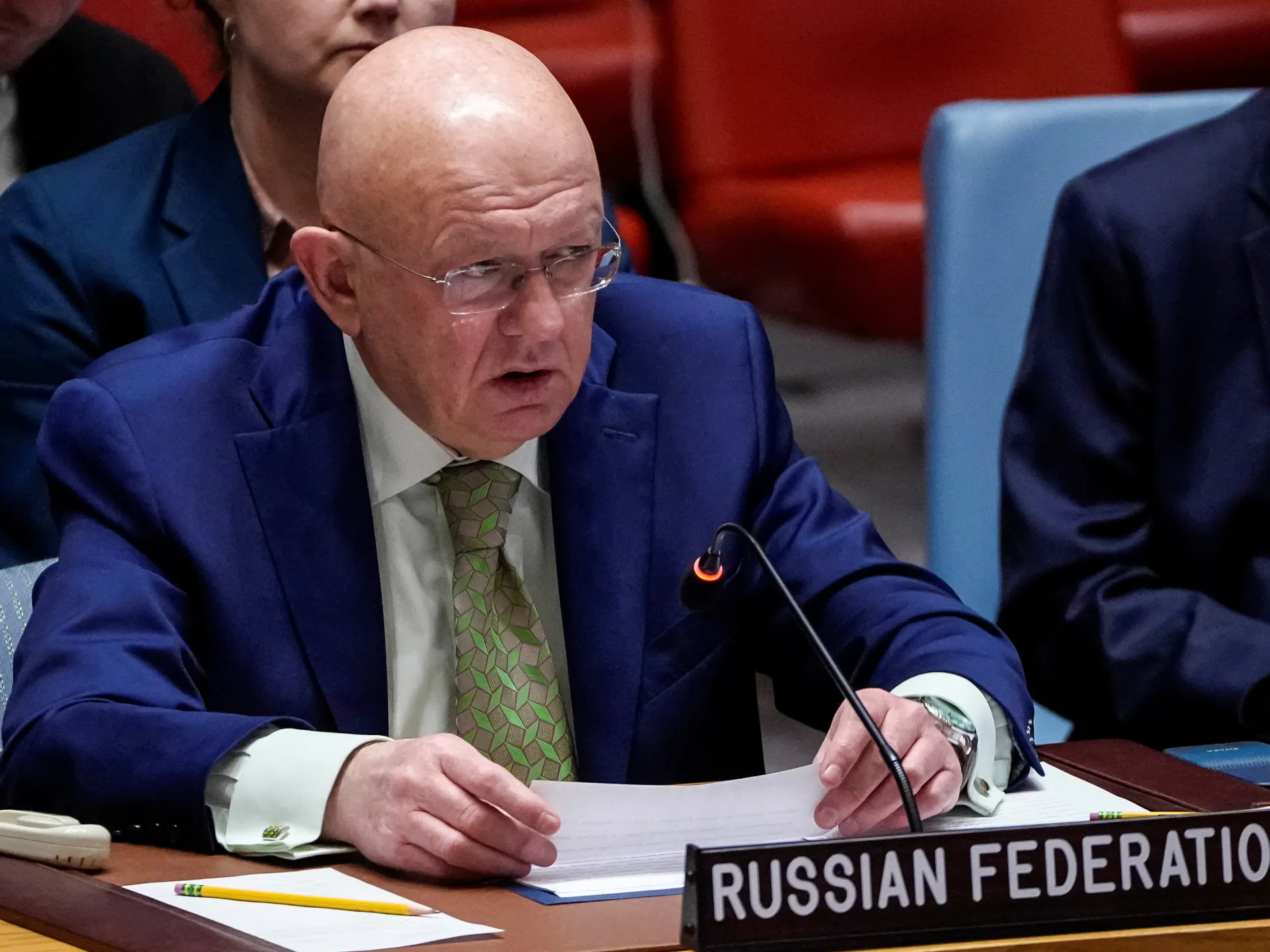
Russia has formally condemned the United States for refusing to grant a visa to Deputy Foreign Minister Alexander Alimov, preventing his attendance at a United Nations Security Council meeting in New York. Vassily Nebenzia, Russia’s permanent representative to the UN, stated that the refusal constitutes a breach of the 1947 UN Headquarters Agreement, which obligates the US to issue visas to foreign diplomats promptly and without charge.
Nebenzia told the Security Council on Tuesday that Alimov, who oversees matters related to the United Nations, should have been present at the meeting. Despite Moscow’s attempts to persuade the US side to issue the visa, the request was ultimately denied. The Russian envoy characterised the decision as a violation of treaty obligations and an act of disrespect towards China, which currently holds the rotating presidency of the Security Council for May.
“We view this not just as a breach by Washington of its obligations under United Nations Headquarters Agreement, according to which access to United Nations needs to be provided for all officials and member states, barring none, but we also view this as an egregious instance of disrespect for the Chinese presidency of the Security Council,” Nebenzia said. The US State Department did not immediately respond to requests for comment regarding the specific denial.
The incident highlights a recurring pattern of diplomatic friction over access to UN facilities. Earlier this week, Iran’s Foreign Ministry announced that Foreign Minister Abbas Araghchi cancelled his participation in the same Tuesday’s Security Council meeting due to visa issues. This follows strict limits imposed on the Iranian delegation’s movement in New York during last year’s UN General Assembly in September 2025, and a previous delay in granting a visa to then-Iranian President Hassan Rouhani in 2019.
The visa controversy arises against a backdrop of complex diplomatic dynamics. Tensions between Washington and Moscow are currently receding, with US President Donald Trump engaging in regular dialogue with Russian President Vladimir Putin in efforts to end the war in Ukraine. Both leaders have separately visited China and met with President Xi Jinping in recent weeks, even as Washington continues to enforce sanctions against Moscow over the conflict.