Rubio’s India visit marks tactical reset amid fragile bilateral trust
Analysts describe the four-day New Delhi mission as damage control, noting that while temporary stability has been restored, structural hurdles and deep-seated mistrust remain significant obstacles to a durable partnership.
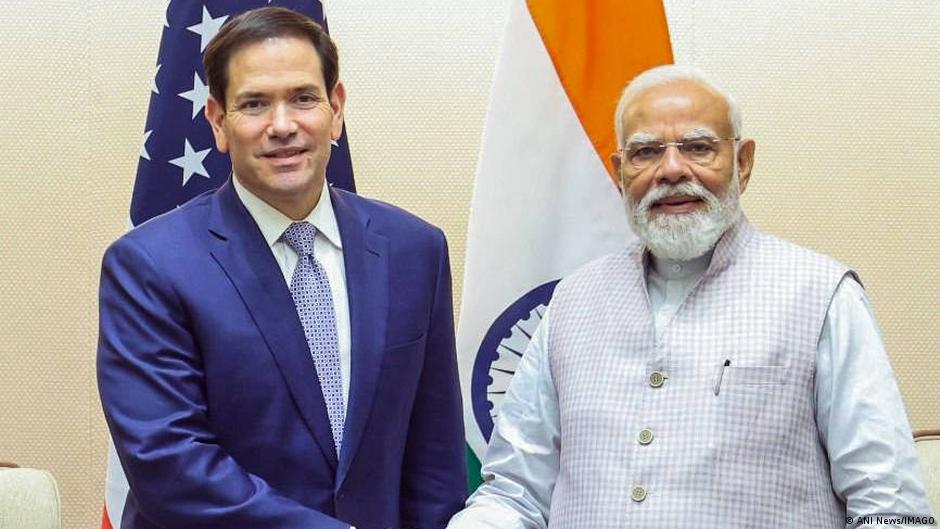
US Secretary of State Marco Rubio completed a four-day visit to New Delhi last week, aiming to stabilise bilateral relations following a period of significant tension driven by Washington’s "America First" approach under President Donald Trump. The mission sought to address deep economic and political unease in India, particularly regarding tariffs on Indian exports and intense pressure over New Delhi’s purchase of discounted Russian oil. During a joint press briefing with Indian External Affairs Minister S Jaishankar, Rubio defended US trade policies as a global necessity and indicated that the two nations are "on the verge" of finalising a sustainable trade agreement.
The visit comes as the bilateral relationship shifts from a broadly upward trajectory over the past two decades to a more transactional and contested phase. Former Indian ambassador Navtej Sarna cautioned that a single diplomatic tour cannot paper over a fundamental erosion of trust. "Trust is in the deep red, interests are misaligned," Sarna told Deutsche Welle, noting that India’s position in America’s strategic vision is no longer a given. He emphasised that a genuine reset would require much more than a visit, with New Delhi needing to see tangible progress on core interests in trade, energy, and immigration.
Meera Shankar, another former Indian envoy, highlighted that the visit followed a period of strain marked by higher tariffs, tighter visa regimes, and questions in New Delhi over Washington’s reliability as a balancing power in the Indo-Pacific. Tensions with Iran and US outreach to Pakistan and China have further reinforced New Delhi’s concerns about Washington’s consistency. Former high commissioner Ajay Bisaria noted that Washington’s recent outreach to Pakistan’s military leadership has created persistent irritation behind the scenes, adding to the geopolitical anxieties weighing on the relationship.
Harsh Pant of the Observer Research Foundation argued that the primary mission was to correct the perception of American disengagement. "His visit was largely an exercise in damage control rather than a major readjustment in ties," Pant said, noting that while core cooperation continues, there is growing concern that top American leadership is not fully committed. He stated that the real test will be whether US messaging remains consistent and whether trade disputes are resolved substantively.
Bisaria viewed the visit as a necessary corrective to pull the relationship out of a volatile economic period, describing it as both a reassurance exercise and a tactical reset. He noted that the relationship is entering a "very positive phase," aided by the rollback of some tariffs. However, Shankar warned that structural hurdles remain formidable. While both sides have agreed to push forward discussions on an interim trade arrangement, uncertainty in US tariff policy and ongoing investigations under US trade laws complicate the outlook, making it difficult to finalize any agreement on predictable terms.