Rubio warns NATO of 'Plan B' as Iran war negotiations stall
Diplomatic efforts intensify as Pakistan’s army chief arrives in Tehran, yet Iranian officials remain sceptical of a breakthrough.
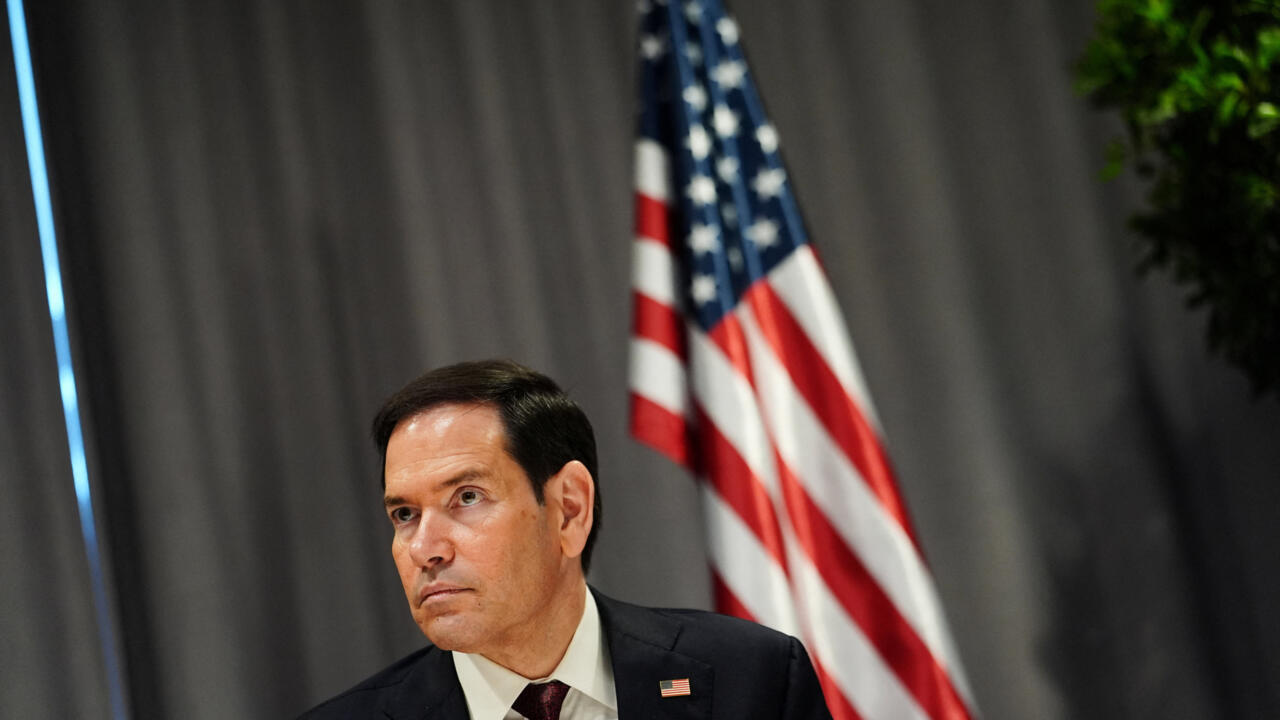
US Secretary of State Marco Rubio has urged NATO allies and European partners to increase their support for American efforts to reopen the Strait of Hormuz, conveying President Donald Trump’s “disappointment” at their lack of action regarding the ongoing conflict with Iran. Rubio indicated that European nations may need to develop a “Plan B” to force open the shipping lane, which was effectively closed by Tehran in retaliation for US-Israeli strikes that commenced on 28 February.
The comments were made ahead of the arrival of Pakistan’s army chief, Field Marshal Asim Munir, in Tehran on Friday. Islamabad is mediating as the Islamic Republic examines a new US proposal to end the war. Munir was welcomed by Iranian Interior Minister Eskandar Momeni, with Pakistani Interior Minister Mohsin Naqvi also present. Naqvi had visited Iran for the second time in a week on Wednesday, meeting President Masoud Pezeshkian and Foreign Minister Abbas Araghchi.
Despite the high-level diplomatic engagement, Iranian officials expressed caution. Foreign Ministry spokesperson Esmaeil Baqaei stated that disagreements between Tehran and Washington remain “deep and extensive.” He cautioned that the Pakistani visit did not necessarily signify a “turning point or a decisive situation,” adding that a Qatari delegation had also held talks with the Iranian foreign minister on Friday. Baqaei noted that while many countries are attempting to help end the war, Pakistan remains the official mediator.
The Strait of Hormuz remains a critical sticking point in negotiations. The key shipping lane, through which large amounts of oil and gas typically travel, was blocked by Iran in response to the strikes. Fears are growing that the global economy will suffer as pre-war oil stockpiles are depleted. The EU moved on Friday to widen sanctions on Iranian officials responsible for blocking the strait, while Baqaei listed the situation in the strait and a US blockade of Iranian ports as issues requiring examination.
Violence continues to spread across the region, particularly in Lebanon. Hezbollah drew the country into the conflict with rocket fire at Israel following the killing of Iran’s supreme leader in US-Israeli strikes. Although a truce began on 17 April, Israeli strikes have persisted. The Lebanese health ministry reported that Israeli attacks have killed at least 3,111 people since 2 March, including 10 people on Friday, such as rescuers and a child. The United States recently sanctioned nine Hezbollah-linked individuals, marking the first time Lebanese officers have been sanctioned by Washington.