Rubio to visit Colombia, Ecuador and Peru as US deepens regional security ties
The US secretary of state’s tour will focus on earthquake response, security cooperation and trade with governments aligned with the Trump administration.
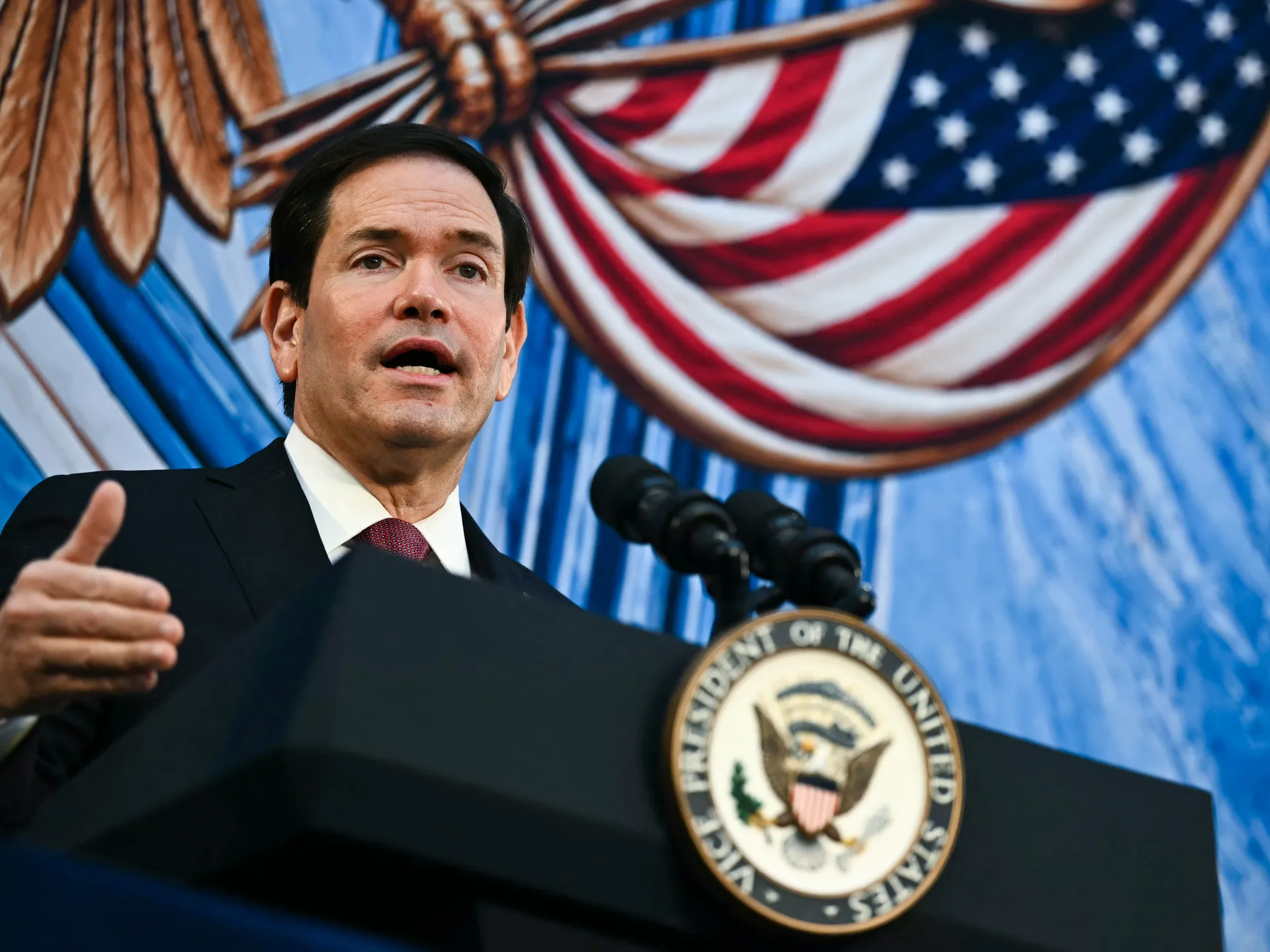
US Secretary of State Marco Rubio is due to visit Colombia, Ecuador and Peru in a tour that signals Washington’s effort to expand its influence in Latin America. The itinerary begins in Colombia on Tuesday, where Rubio is expected to meet newly elected President Abelardo de la Espriella, before visits to Ecuador and Peru.
The US State Department said discussions would cover support for Colombia’s earthquake response, cooperation in what it calls the shared fight against “narcoterrorism” and deeper commercial relationships. It has not released a detailed agenda or confirmed the precise timing of Rubio’s meetings.
The visit follows closer security ties between Washington and the three governments. Colombia joined the US-backed “Shield of the Americas” in August, while US forces announced cooperation with Ecuador in March to target drug-trafficking groups. Peru’s President Keiko Fujimori has also pledged closer ties with the US and a military crackdown on criminal groups.
Security cooperation remains contested. The supplied report says US strikes on alleged drug-smuggling targets have killed at least 227 people, while rights groups and relatives dispute the identities of those targeted and condemn the operations. The US has also supported Colombia’s response to an earthquake last month that killed at least 330 people and left thousands homeless.
Al Jazeera reported that Rubio’s tour comes amid a rightward shift in the region and the Trump administration’s pledge to assert greater influence across the Western Hemisphere. The administration has described its approach using terms including the “Donroe Doctrine” and “narcoterrorism”, reflecting a more militarised framing of drug trafficking and regional security.