Rubio threatens to dismantle ICC 'brick by brick' as US escalates diplomatic offensive
The US Secretary of State’s public declaration marks a shift from behind-the-scenes pressure to an open campaign, drawing immediate condemnation from European allies and legal experts who warn of a chilling effect on international justice.
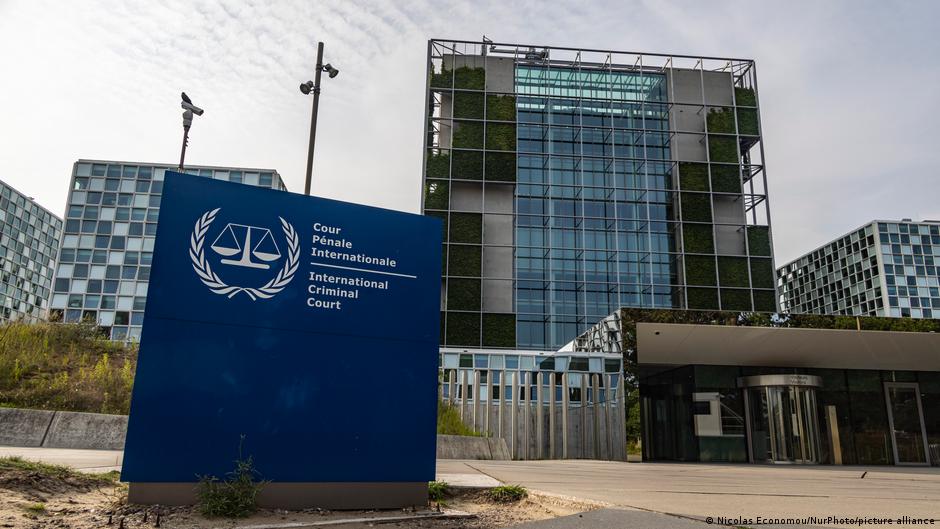
US Secretary of State Marco Rubio has intensified a diplomatic campaign against the International Criminal Court (ICC), threatening to dismantle the tribunal "brick by brick" and outlining a suite of punitive measures designed to isolate the organisation. The State Department confirmed that Washington is considering visa restrictions for ICC staff, tougher sanctions targeting the court and its affiliates, and increased scrutiny of nations that continue to receive US assistance while refusing to reject the court’s authority.
Legal experts characterise this public declaration as a strategic shift, noting that the US has been applying diplomatic pressure on allied nations for over a year to alter their positions and voting behaviour regarding the ICC. Andreas Schüller of the European Center for Constitutional and Human Rights stated that the move signals a broader, more coordinated effort to bring non-member states into the pressure campaign, effectively making the court’s operations untenable for its partners.
The US is not a member of the ICC, which was established in 2002 to prosecute individuals for war crimes, crimes against humanity, and genocide. The tribunal currently has 125 member states, excluding major powers such as the US, Russia, and China. While the court lacks jurisdiction over crimes committed on US soil, it has issued arrest warrants for foreign leaders, including Russian President Vladimir Putin and Israeli Prime Minister Benjamin Netanyahu, citing atrocities committed in member states.
In response to the escalating tensions, the European Union and Germany have publicly backed the court. German Foreign Minister Johann Wadephul defended the institution, asserting that it makes the world "safer and more just." The EU’s immediate support contrasts with the US stance, which Secretary Rubio justified by arguing that the court poses a threat to the American legal system and could subject US personnel to "foreign judges thousands of miles away."
The diplomatic row highlights a significant irony in US foreign policy, as Rubio previously co-sponsored a 2022 Senate resolution welcoming ICC investigations into Russia. That resolution, introduced by the late Senator Lindsey Graham, described the court as a tribunal upholding the rule of law. Meanwhile, the ICC has already begun adapting to US pressure by reducing its reliance on American technology, replacing Microsoft Office with a German open-source alternative following previous sanctions imposed by the State Department.