Rubio signals 'solid' Iran ceasefire proposal as markets react to Hormuz reopening hopes
A potential 60-day truce and resumption of shipping through the Strait of Hormuz are central to the emerging framework, leaving nuclear and sanctions issues for subsequent talks.
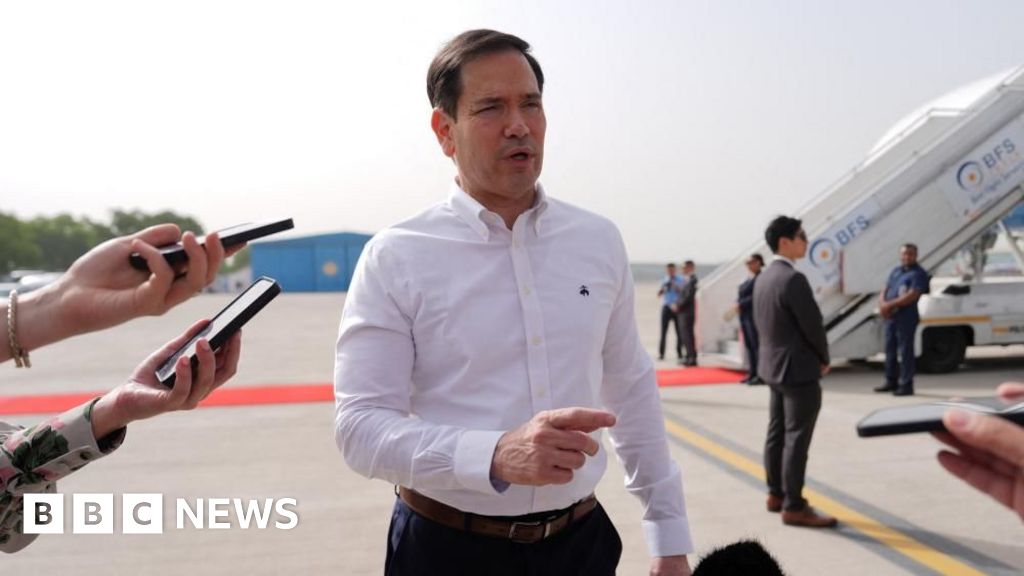
US Secretary of State Marco Rubio has indicated that negotiators possess a "pretty solid" proposal with Iran, suggesting a potential agreement could be finalised by Monday. Speaking from New Delhi, Rubio described the current status as a "work in progress" while acknowledging that the United States is awaiting a response from Tehran. The reported framework involves a 60-day extension of the ceasefire and the reopening of the Strait of Hormuz, a critical maritime chokepoint that Iran has effectively blocked since the conflict began on 28 February.
The proposal is not intended as a final settlement. Instead, it serves as an interim arrangement, deferring complex issues such as the scope of sanctions relief, the release of frozen Iranian funds, and the long-term trajectory of Iran's nuclear programme to future negotiations. US media reports suggest the deal may include provisions for Iran to eventually hand over its stockpile of highly enriched uranium, which was previously enriched to 60 per cent purity.
Global markets reacted swiftly to the prospect of de-escalation. Brent crude oil prices fell sharply, dropping approximately five per cent to $98.47 a barrel, while Japan’s Nikkei 225 index surged more than three per cent to a record high. The rally in Asian markets was driven by investor hopes that the conflict would conclude, allowing for the resumption of normal shipping flows through the Strait of Hormuz, through which 20 per cent of the world's oil and liquefied natural gas passes.
However, the emerging deal has fractured consensus within the US Republican party. Senator Ted Cruz condemned the potential agreement as a "disastrous mistake," while Senator Roger Wicker, chair of the Senate Armed Services Committee, argued that a 60-day ceasefire would negate the gains achieved by "Operation Epic Fury." Senator Lindsey Graham also voiced criticism, questioning the strategic value of any accord that leaves Iran as a dominant regional force.
President Donald Trump defended the negotiation process against these internal critiques, stating on Truth Social that he does not "listen to the losers." Trump reiterated that while he had instructed officials not to rush into a deal, any agreement reached would be "good and proper." Complicating the diplomatic timeline, CBS News reported that US intelligence believes Iran's supreme leader, injured in an initial Israeli strike, is in an undisclosed location, hindering direct communication and delaying the pace of talks. Iranian President Masoud Pezeshkian has stated that Tehran is ready to assure the world it is not seeking a nuclear weapon.