Rubio signals Iran deal as tensions flare in Lebanon and Gaza
Markets react to de-escalation hopes with falling Japanese bond yields and resumed LNG exports from the Strait of Hormuz, while Hezbollah urges Lebanon to halt direct talks with Israel.
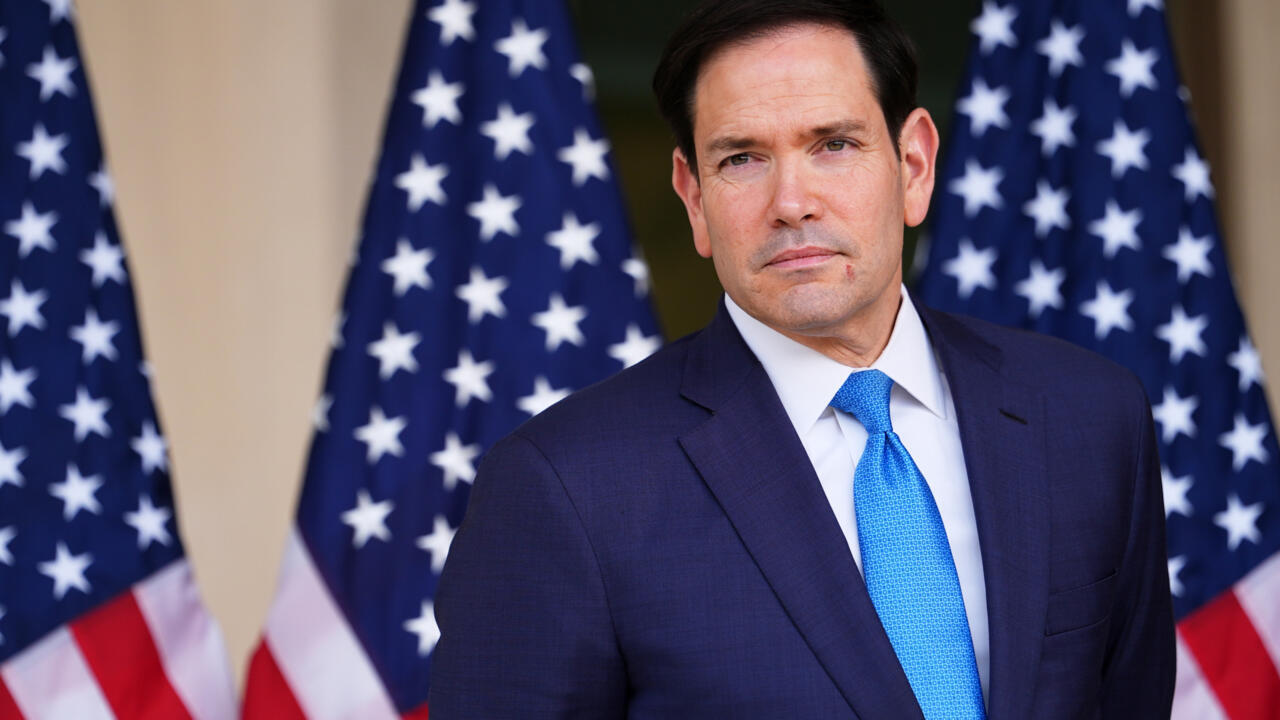
US Secretary of State Marco Rubio indicated in New Delhi on Monday that a diplomatic agreement to end the war with Iran could materialise "today", while simultaneously reaffirming Israel’s right to self-defence against Hezbollah attacks. Speaking to reporters as he departed the Indian capital, Rubio cautioned against overinterpreting the timing of a potential breakthrough. "We thought we might have some news last night, maybe today, I wouldn't read too much into it," he said, underscoring the uncertainty surrounding the negotiations.
The diplomatic overtures come amid heightened military activity in southern Lebanon, where the Israeli military reported on Monday that one soldier was killed and another severely injured during combat operations. The injured soldier was evacuated to hospital. Concurrently, US officials have accused Hezbollah of attempting to destabilise the region, with Secretary of State Rubio stating that the group was trying to plunge Lebanon "back into chaos".
In response to the shifting geopolitical landscape, financial markets have begun to price in the possibility of conflict resolution. Japanese government bond yields fell significantly on Monday, with the benchmark 10-year yield sliding 5 basis points to 2.710% and the 30-year yield dropping 5.5 basis points to 3.955%. The rally in bonds pushed yields further away from recent multi-decade highs, as signs of progress in the Middle East tamed inflation fears that had previously driven the 10-year yield to a 29-year high of 2.8% last week.
Economic activity in the region also showed signs of normalisation, with shipping data confirming that two liquefied natural gas tankers exited the Strait of Hormuz on Monday, heading for Pakistan and China. This follows the departure on Saturday of a supertanker carrying Iraqi crude, which had been stranded in the Gulf for nearly three months. These vessels are utilising a transit route ordered by Iran, following last week’s movement of three Very Large Crude Carriers transporting 6 million barrels of crude to China and South Korea.
Tensions remain high regarding humanitarian operations, as Australian activists detained by Israel during an aid flotilla to Gaza have returned home. Eleven Australians were among 430 volunteers on 50 boats intercepted in international waters last week. Upon their return, organisers alleged physical abuse and sexual assault, with activist Juliet Lamont telling Reuters she was dragged and beaten during detention. The flotilla, which included volunteers from 40 countries, was attempting to deliver aid supplies to the Gaza Strip.
Amidst these developments, Hezbollah Secretary-General Naim Qassem has urged Lebanese authorities to abandon direct talks with Israel. This call comes ahead of a fourth round of discussions scheduled for Washington early next month, highlighting the deep divisions within Lebanon regarding diplomatic engagement with Israel.