Rubio says Iran deal could take days after US forces launch new attacks
The attacks, described by Central Command as self-defence measures, occurred while a senior Iranian delegation was in Doha for ceasefire talks, adding strain to the fragile truce established in April.
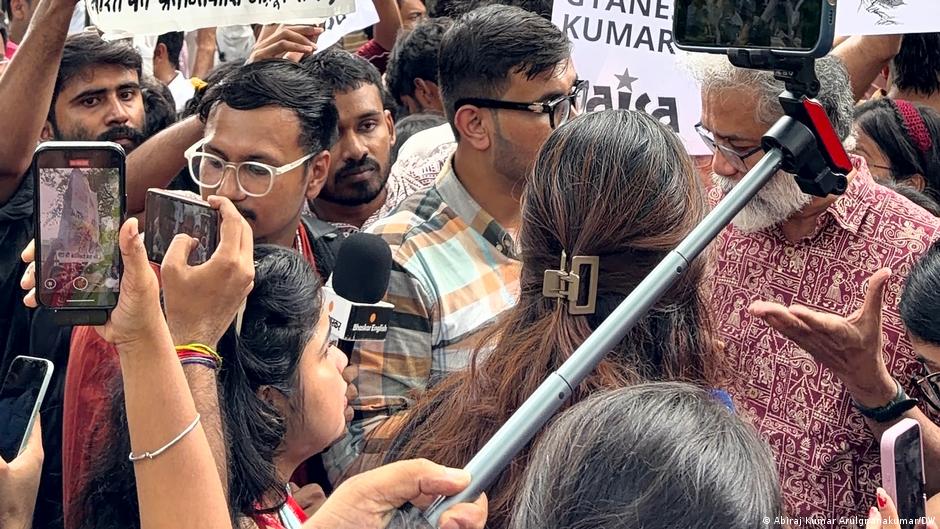
United States Secretary of State Marco Rubio stated on Tuesday that a potential deal to end the US-Israel war on Iran could take several days to finalise, following US military strikes on Iranian missile sites and boats attempting to lay mines in southern Iran. Speaking to reporters in Jaipur, India, Rubio noted that while progress was being made, the process involved extensive discussion over the specific language of the initial document.
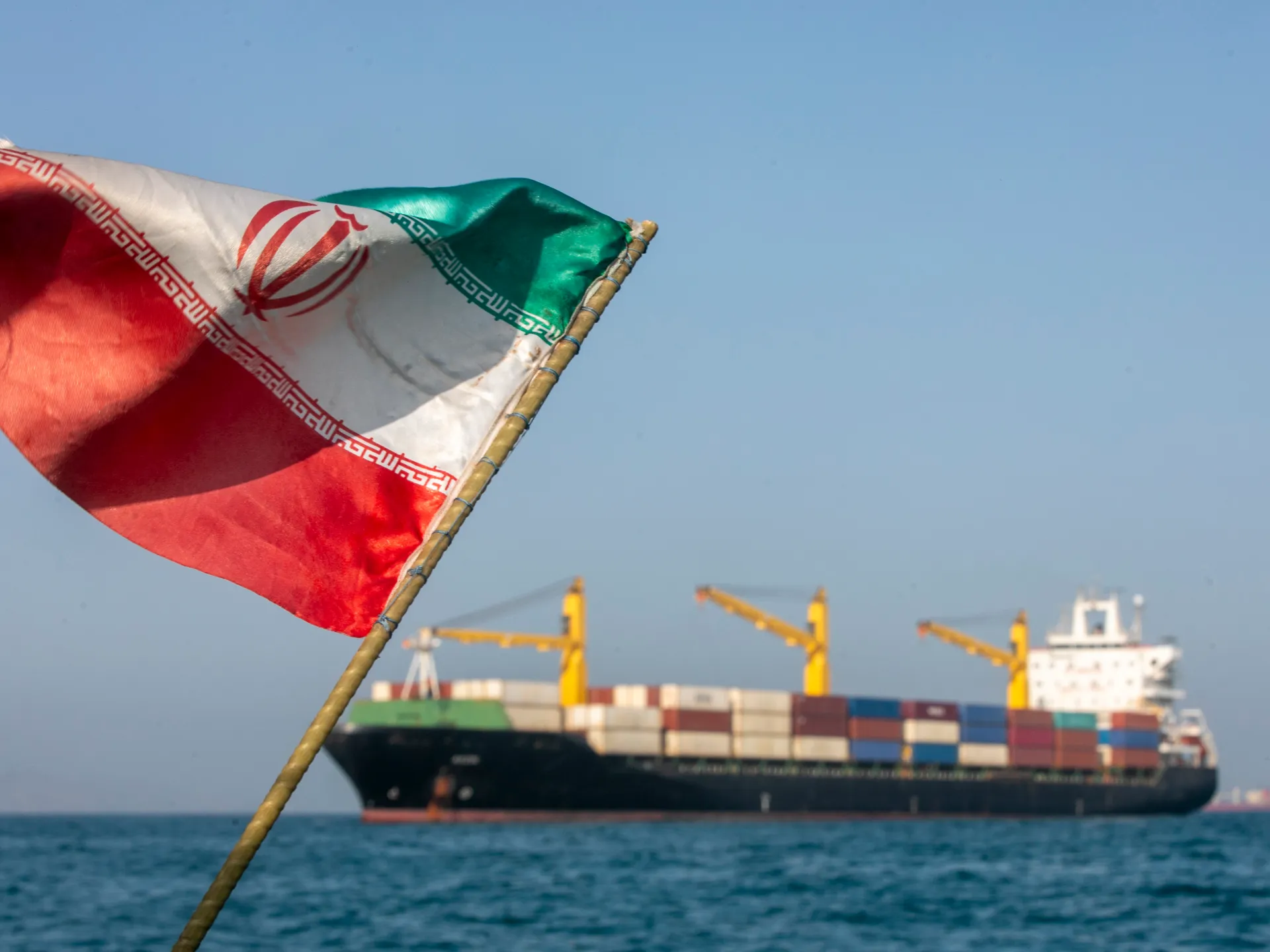
“The president’s expressed his desire to make it. He’s either going to make a good deal or no deal,” Rubio told reporters. He emphasised that the Strait of Hormuz must remain open, describing the current restrictions as unlawful, illegal, and unsustainable for the global economy.
The comments followed US Central Command (CENTCOM) confirmation that US forces conducted “self-defence strikes” in southern Iran on Monday. CENTCOM spokesman Tim Hawkins stated the operations were designed to protect US troops from threats posed by Iranian forces, specifically targeting missile launch sites and vessels emplacing mines. No further details regarding the scale or specific outcomes of the strikes were provided.
The military action occurred while a senior Iranian delegation was in Doha, Qatar, for high-stakes negotiations aimed at extending a fragile ceasefire that has been in place since 8 April 2026. Iran’s state broadcaster, IRIB, reported hearing loud explosions near the port city of Bandar Abbas around midnight local time. Iranian officials have neither confirmed nor denied the US reports of the attacks, according to Al Jazeera’s Resul Serdar reporting from Tehran.
Discussions in Doha are focused on resolving disputes over the Strait of Hormuz, Iran’s stockpile of highly enriched uranium, and the potential release of frozen Iranian funds. Iranian Foreign Ministry spokesperson Esmaeil Baghaei reiterated that nuclear issues would only be negotiated after a framework accord is agreed upon. Despite the escalation, former US diplomat Adam Clements suggested the strikes may not derail the broader diplomatic process, urging a separation between tactical military actions and strategic negotiations.
Oil prices fell below US$100 a barrel on Tuesday as investors reacted to the developments, marking a shift from the price spirals seen earlier in the conflict. The situation remains complex as US President Donald Trump continues to prioritise preventing Iran from developing nuclear weapons, a claim Tehran consistently denies.