Rubio claims Iran ‘begging’ for deal as strikes enter twelfth night
Amid ongoing military operations targeting Iranian infrastructure, Marco Rubio asserts that Iran is seeking negotiations but remains unwilling to accept terms, as Tehran rejects the strikes as unlawful reprisals.
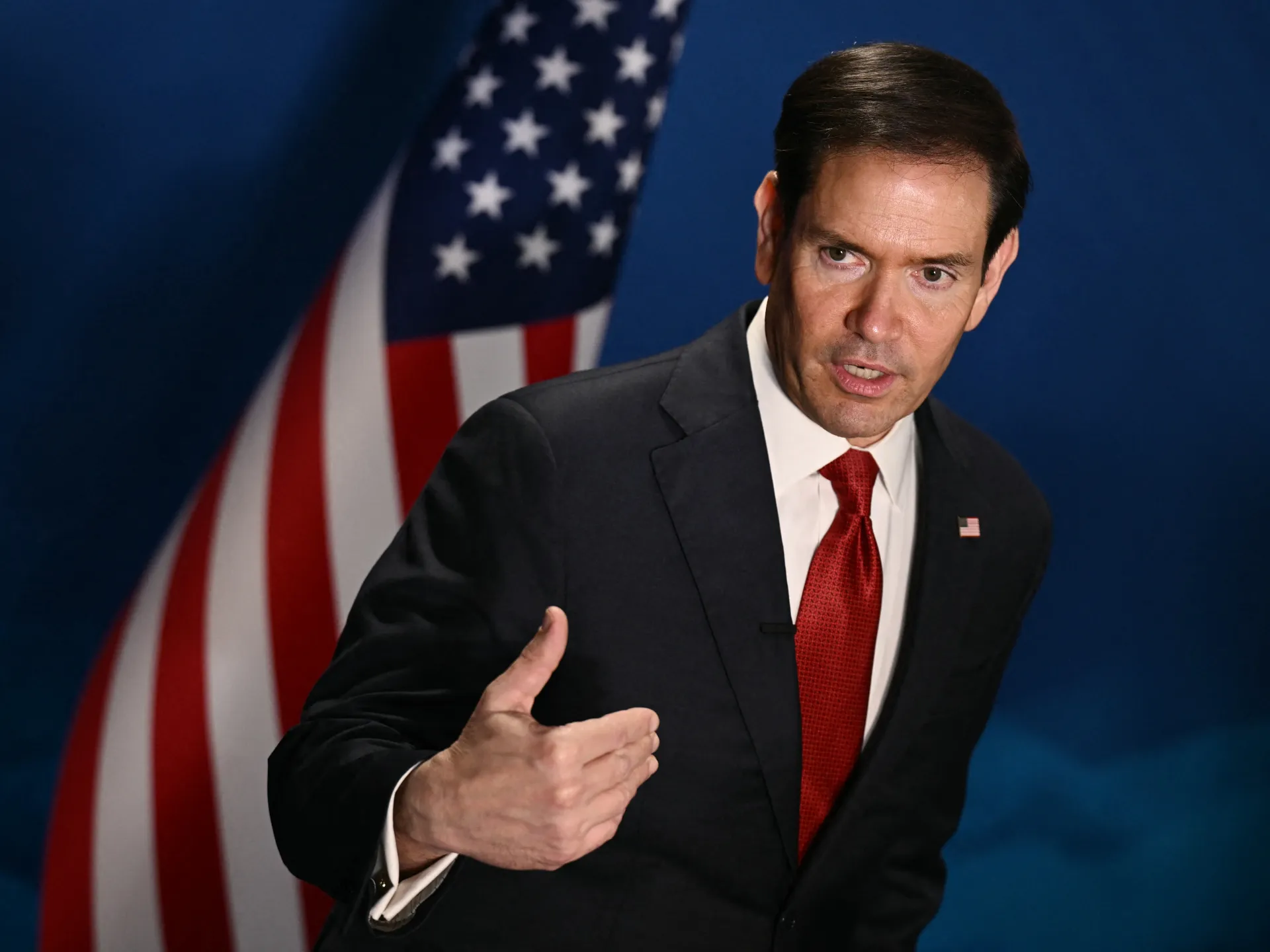
United States Secretary of State Marco Rubio has asserted that Iran is privately pressing Washington for a negotiated settlement to end the conflict, yet remains unprepared to accept the terms. Speaking to reporters on the sidelines of an Association of Southeast Asian Nations (ASEAN) foreign ministers’ meeting in Manila on Thursday, Rubio described Tehran as “begging” for talks both directly and indirectly, while characterising Iran’s leadership as “radical clerics” who are “oblivious” to the country’s severe economic problems.
Rubio outlined the US position as a response to what he termed Iranian aggression, stating that while Iran’s stated policy is “an eye for an eye,” the US approach under President Donald Trump is “a head for an eye.” He claimed that Iranian industrial infrastructure is being “decimated,” resulting in billions of dollars in damage, and warned that Tehran will continue to pay a “heavy price” as long as it funds regional militant groups including Hezbollah, Hamas, the Houthis, and Shia militias.
The remarks come as US strikes on Iran have continued for a twelfth consecutive night. Rubio reaffirmed that the primary US objective remains a denuclearised Iran, dismissing the notion that Russia is assisting Tehran with its weapons programmes. He also suggested that Yemen’s Houthi movement had been “snookered” by Iran into targeting Saudi Arabia-linked shipping, expressing hope that the group would cease such attacks.
Iranian officials have firmly rejected the military campaign. Esmaeil Baghaei, spokesperson for Iran’s Ministry of Foreign Affairs, argued that targeting bridges and power plants constitutes unlawful reprisal and collective punishment under international humanitarian law. He stated that citing superior orders does not shield perpetrators from criminal liability under the US War Crimes Act, asserting that Iran “stands firm and resolute against lawlessness.”
The diplomatic landscape remains fractured following a memorandum of understanding signed last month, which both sides now indicate is effectively over. Analyst Zeidon Alkinani of the Arab Perspectives Institute suggested that the current tit-for-tat dynamic indicates a lack of seriousness from both parties regarding a negotiated settlement, while noting that the Houthis’ recent silence on Iran may signal a desire to reassess their relationship with Tehran and potentially negotiate autonomously with the US.