Rubio cites policy of ambiguity on Israel’s nuclear capabilities at congressional hearing
US Secretary of State Marco Rubio declined to answer whether Israel possesses nuclear weapons during a hearing with Democratic Congressman Joaquin Castro, reinforcing Washington’s long-standing stance of strategic opacity amid an active joint military campaign against Iran.
US Secretary of State Marco Rubio has reinforced Washington’s decades-long policy of strategic ambiguity regarding Israel’s nuclear programme, refusing to confirm whether the ally possesses nuclear weapons during a congressional hearing on Wednesday. Speaking with Democratic Congressman Joaquin Castro, Rubio acknowledged that “most of the world assesses that they do,” but maintained that the United States does not publicly discuss its ally’s nuclear capabilities.
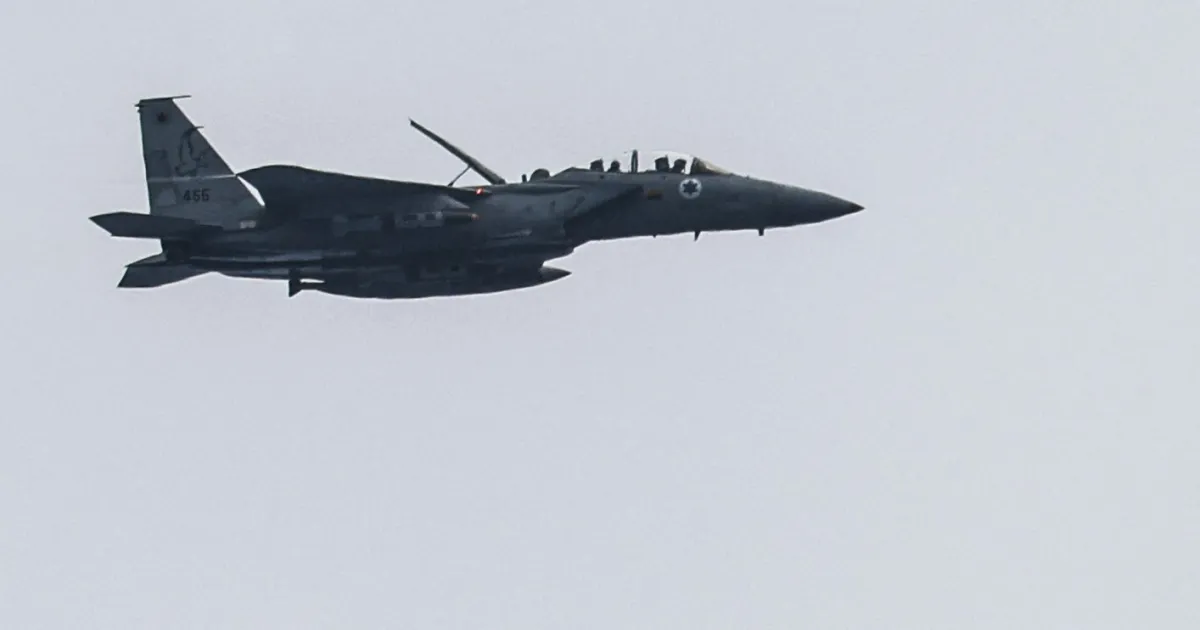
The exchange occurred against the backdrop of a joint US-Israeli military campaign against Iran, which commenced on 28 February 2026. Rubio explicitly stated that refraining from public discussion on Israel’s nuclear arsenal is a deliberate “feature” of US foreign policy. When pressed by Castro on the implications of this silence, the Secretary of State suggested that a more detailed response would require a classified setting, citing the “delicate balancing acts” inherent in US diplomacy.
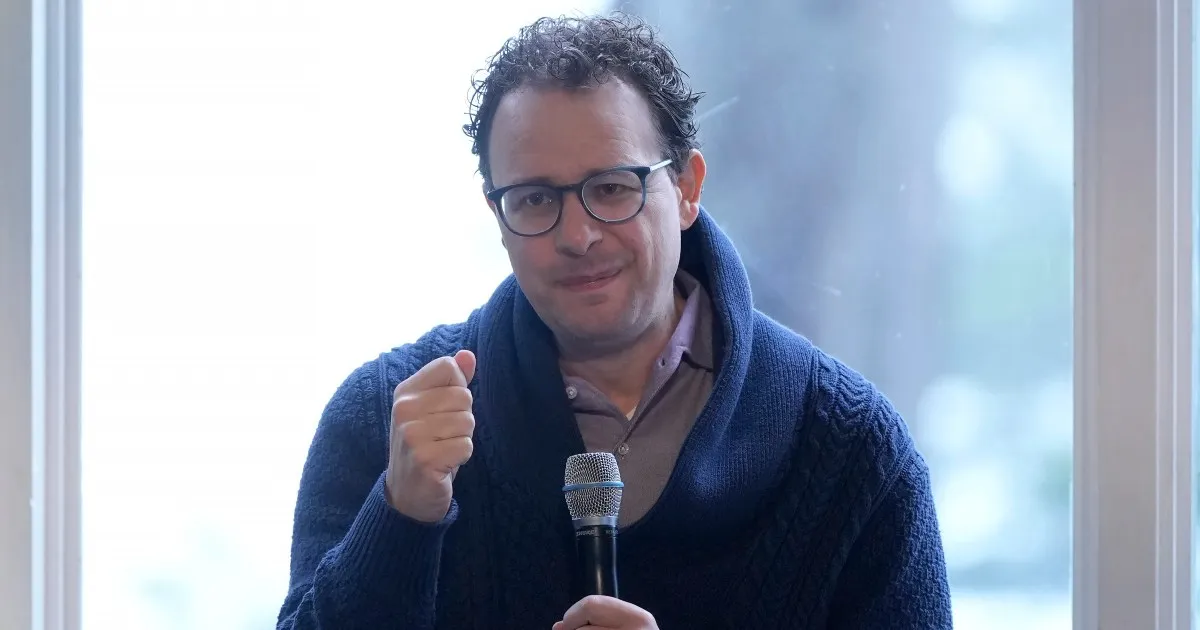
Congressman Castro argued that the policy of silence hinders congressional oversight, particularly as the two nations are engaged in active warfare. He expressed concern that the US government does not actively seek to understand Israel’s potential “red lines” for using nuclear weapons, noting that open-source reporting suggests such capabilities exist. Castro stated he was “shocked” that the administration would not provide the necessary information to inform war decisions.
Rubio described Castro’s inquiry as “fair” but insisted that a “more fulsome answer” could not be provided in an open forum. He offered to address the matter in a classified setting, emphasizing that the issue involves complex equities that require discretion. The Secretary of State’s refusal to break the taboo on public discussion underscores the enduring sensitivity of the topic within US political circles.
Israel is widely believed to possess a nuclear arsenal but has never officially confirmed or denied this status, nor is it a signatory to the Treaty on the Non-Proliferation of Nuclear Weapons. The US provides billions of dollars in annual military aid to Israel, despite accusations from rights groups and UN investigators of genocide in Gaza. Israeli Prime Minister Benjamin Netanyahu is currently wanted by the International Criminal Court for war crime charges related to actions in Gaza.
In May, Congressman Castro sent a letter signed by 30 lawmakers seeking clarification on Israel’s nuclear programme and the US policy of silence. The letter argued that Washington cannot develop coherent nonproliferation policy for the Middle East while maintaining official silence about the nuclear capabilities of a party central to the ongoing conflict. The administration of US President Donald Trump joined Israel in attacking Iran with the stated objective of preventing the country from obtaining a nuclear weapon.