Rubio asserts Trump will reject ‘bad deal’ as Iran talks intensify
Marco Rubio’s comments to Al Jazeera Global News come as Japan’s Nikkei 225 hits record highs on hopes of a ceasefire and reopening of the Strait of Hormuz
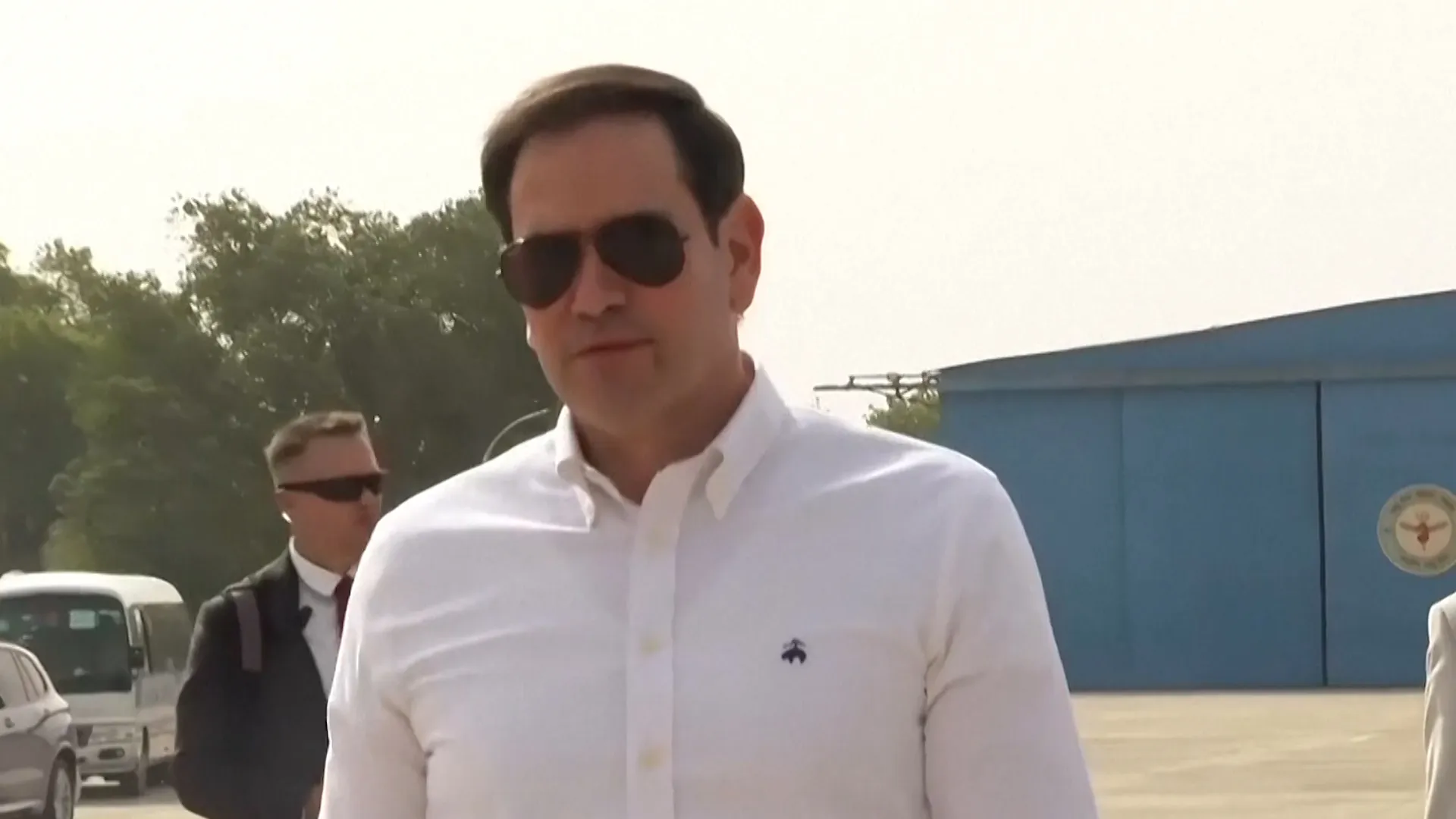
US Secretary of State Marco Rubio has publicly affirmed that President Donald Trump will not agree to a "bad deal," a statement reported by Al Jazeera Global News on 25 May 2026. The assertion serves to clarify the administration’s negotiating position as diplomatic efforts regarding Iran continue to unfold, though the specific parameters of the proposed agreement remain undefined in the immediate reporting.
The comment arrives against a backdrop of significant market volatility and investor optimism. On the same day, Japan’s Nikkei 225 index surged more than 3 per cent to a record high, surpassing the 64,000 mark during holiday-thinned trading volumes. This rally was driven by expectations that the conflict would conclude and the Strait of Hormuz would reopen, following an earlier record close on Friday after initial reports of constructive talks.
Within the United States, the administration faces complex internal dynamics as it seeks to stabilise the political environment surrounding the Iran negotiations. Hardline Republican factions have continued to demand total surrender from Iran, creating pressure on the White House’s strategy. President Trump has previously defended his approach on Truth Social, stating he does not "listen to the losers" and insisting that any agreement reached would be "good and proper."
While Rubio’s specific remarks focused on the President’s refusal to accept detrimental terms, the broader context includes ongoing diplomatic hopes for a ceasefire. The administration has instructed officials not to rush into an agreement, balancing the desire for a "solid" proposal against the demands of domestic political critics who view the current strategy as insufficient.
Complicating the diplomatic timeline are reports from CBS News regarding the health of Iran’s supreme leader, who is believed to be injured. While the specific nature of the deal Rubio refers to—whether trade, security, or Iran-specific terms—is not explicitly detailed in the source material, the Secretary’s comments underscore the administration’s intent to maintain leverage in what remains a high-stakes geopolitical negotiation.