Root’s second tenure begins with tactical restraint as England dismiss Pakistan for 171
Joe Root adopted a hands-off leadership style on his return as England Test captain, relying on Harry Brook for tactical input as Ollie Robinson and Josh Tongue dismantled the Pakistan innings at Headingley.
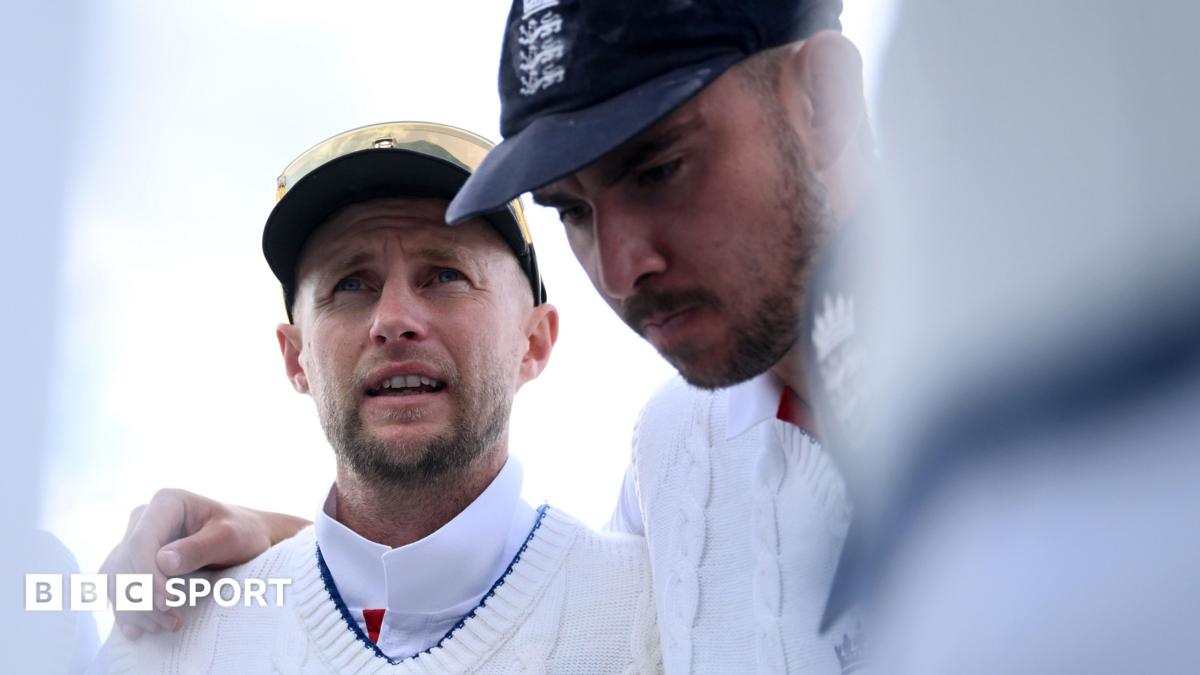
Joe Root resumed his role as England Test captain on the opening day of the first Test against Pakistan at Headingley, marking the start of his second tenure following a period of significant structural change within the squad. The former captain’s first spell concluded with a record of one win in 17 Tests, including defeats in the 2021-22 Ashes, prompting a leadership transition that saw Ben Stokes depart the role. Root’s return was characterised by a deliberate shift in management style, prioritising stability and player autonomy over the dynamic approach associated with his predecessor.
Root positioned himself at mid-off rather than the slips, a tactical decision previously employed by Stokes and former skipper Michael Vaughan to facilitate closer communication with bowlers. This placement allowed Root to oversee the game while ensuring the ball was returned to the bowler via the captain, a procedural control that defined his on-field presence. He acknowledged that his style might differ from Stokes’ more hands-on approach, stating that he would attempt to make his own methods work within the current squad structure.
Harry Brook, who was also a candidate for the captaincy, played a pivotal role in Root’s tactical framework. The pair, both from Yorkshire, demonstrated a cohesive working relationship, with Brook providing specific fielding adjustments such as reinforcing the gully region early in the innings. Robinson noted that Brook served as a "go-between" on the field, offering insights that complemented Root’s restrained leadership. This collaboration allowed Root to avoid overbearing his bowlers, a criticism that had been levelled at him during his first tenure.
The bowling attack, comprising Ollie Robinson, Jofra Archer, Gus Atkinson, and Josh Tongue, was left to make independent decisions. Robinson, who had previously been discarded under the Stokes and Brendon McCullum regime due to concerns over attitude and fitness, delivered a crucial performance with figures of five for 51. His accuracy and relentless approach contrasted with the struggles of Archer, who was removed from the attack after two overs with the new ball. Tongue also claimed five wickets for 46 runs, contributing to the dismantling of the Pakistan innings.
Pakistan were dismissed for 171 runs in 48.1 overs, a total that provided England with a commanding position at the close of play. The visitors’ resistance was briefly prolonged by a 91-run partnership between Imam-ul-Haq and Abdullah Shafique, but a loose drive from Imam-ul-Haq to Tongue broke the deadlock. England’s own innings saw Jordan Cox, playing at No 3 in place of the injured Jacob Bethell, and Root share an unbroken stand of 64 runs, with both batters remaining unbeaten at the end of the day.
Root’s approach has been described as bringing a sense of calm to a chaotic period for English cricket. While the long-term success of this hands-off strategy remains to be tested against tougher conditions and higher-calibre opposition, the first-day performance suggests a functional balance between leadership oversight and player autonomy. The match represents the beginning of a new era for the team, with Root aiming to build a cohesive unit through structured yet flexible management.