Rome talks stall as Lebanon and Israel clash over ceasefire enforcement
New negotiations in Rome aim to operationalise a US-brokered agreement, but significant obstacles remain regarding Israeli withdrawal and the disarmament of Hezbollah.
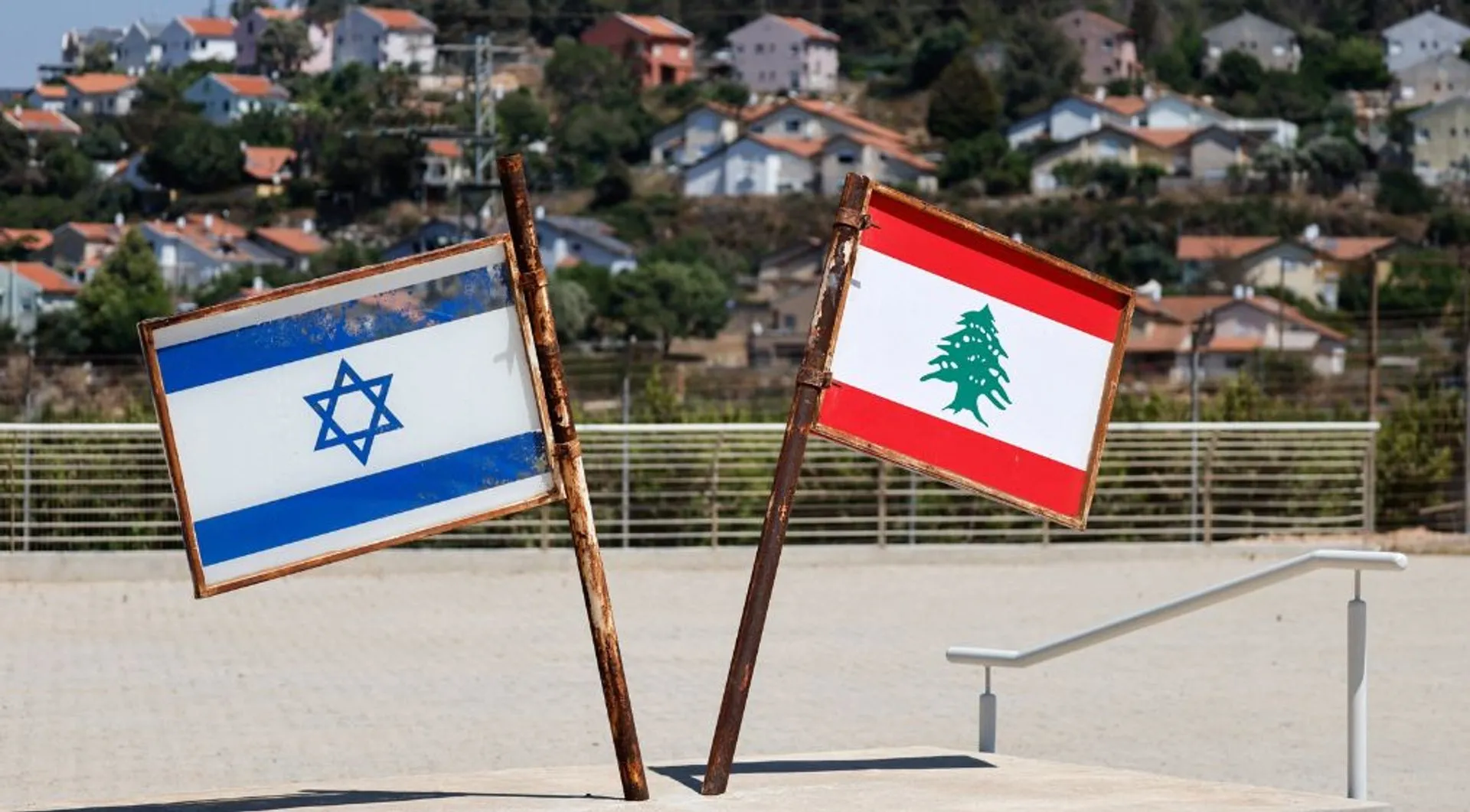
Israel and Lebanon have commenced a fresh round of ceasefire negotiations in Rome, seeking to advance a US-brokered agreement finalised last month. The proposed framework mandates the disarming of Hezbollah and a phased Israeli withdrawal from southern Lebanon, where Israeli forces currently maintain an occupation of approximately 600km². The talks represent a critical juncture in efforts to stabilise the region following months of intense conflict.
The core diplomatic impasse centres on conflicting primary demands from both parties. Lebanon insists on the immediate withdrawal of Israeli troops, while Israel maintains that Hezbollah must lay down its weapons as a precondition for any de-escalation. These divergent positions have created a significant barrier to progress, with the talks in Rome intended to bridge the gap between the two states’ security requirements.
Compounding the diplomatic difficulty is the outright rejection of the proposed deal by Hezbollah. The group’s refusal to accept the terms undermines the viability of the ceasefire arrangement and raises fundamental questions about the purpose and potential outcome of the current negotiations in Italy. Without the consent of the militant group, the enforcement mechanisms outlined in the US-brokered agreement face substantial hurdles.
Further complicating the security landscape are ongoing concerns regarding the Lebanese army’s capacity to assert control in the region. Analysts and policymakers are questioning whether the state military possesses the capability to enforce security and maintain order in southern Lebanon should Israeli forces withdraw. This uncertainty adds a layer of risk to any potential peace deal, as the absence of a robust security presence could lead to a power vacuum.
The human cost of the ongoing conflict has been severe, with the Israeli military having killed more than 4,000 Lebanese people and displaced over one million since March. The scale of the displacement and casualties underscores the urgency of a resolution, yet the structural obstacles to peace remain formidable. The current discussions in Rome are being closely monitored by international observers, including security affairs analysts and foreign policy experts, who are assessing the likelihood of a sustainable agreement.
The negotiation process involves input from various stakeholders, including Ali Rizk, a security affairs analyst specialising in US foreign policy and counterterrorism, and Adolfo Franco, a US Republican strategist and foreign policy analyst. Additionally, Yossi Mekelberg, a Senior Consulting Fellow at Chatham House, is providing expert commentary on the geopolitical implications of the talks. Their assessments highlight the complexity of the situation and the challenges inherent in achieving a lasting ceasefire.
As the Rome talks continue, the focus remains on whether the parties can overcome the immediate obstacles posed by Hezbollah’s rejection and the logistical challenges of troop withdrawal. The outcome of these negotiations will likely determine the future security architecture of the region and the ability of the Lebanese state to reassert sovereignty over its southern territories.