Romanian analyst warns NATO eastern flank faces weekly Russian threat
Military analyst and journalist Radu Tudor argues that Romania requires practical support from the alliance, citing a recent drone incident as proof of escalating security dilemmas along the eastern frontier.
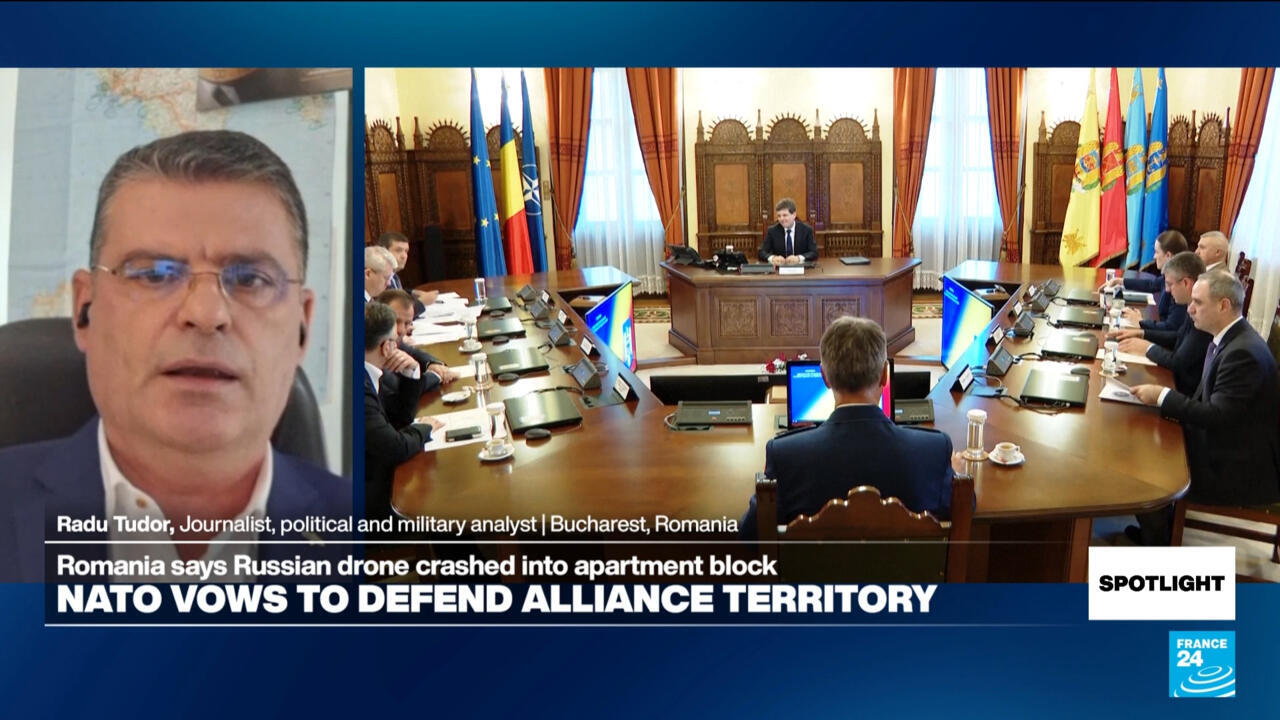
Romanian journalist and military analyst Radu Tudor has issued a stark warning regarding the security posture of NATO’s eastern flank, asserting that the region faces a Russian threat on a weekly basis. Speaking on France 24’s Spotlight programme, Tudor cited a recent drone incident in Romania as concrete evidence of growing vulnerabilities and security dilemmas along the alliance’s eastern frontier.
Tudor, a prominent TV anchor with decades of experience covering NATO summits since 1994, argued that the alliance must move beyond symbolic gestures of solidarity. He urged member states to transfer practical military capabilities from the Western flank to the Eastern flank, emphasising that countries bordering Ukraine are bearing the greatest security risks and require tangible operational support.
The analyst dismissed recent denials from the Kremlin regarding the origin of the drone strike, asserting that Romanian and NATO surveillance systems possess overwhelming evidence of its provenance. He expressed deep scepticism regarding Russian official narratives, stating bluntly that he did not believe President Vladimir Putin would start to tell the truth after 27 years of conflict.
Characterising Romania’s strategic predicament as one of persistent exposure, Tudor warned that similar incidents are likely to continue. His remarks highlight a broader perception among Eastern European policymakers and security commentators that the spillover risks of the war in Ukraine are intensifying, requiring a more robust and immediate military response from the alliance.
The discussion underscores a growing conviction that NATO’s future credibility will depend not merely on declarations of unity, but on the tangible deployment of military capabilities to exposed alliance members. As tensions continue to rise along the eastern frontier, the call for a shift in resource allocation reflects the urgent concerns of frontline states facing direct security challenges.