Romania fully closes nuclear plant as Hungary races to dam Danube
Record low water levels in the Danube River have triggered a complete cessation of operations at Romania’s sole nuclear facility, while Hungarian authorities implement emergency hydraulic measures to prevent a similar crisis at Paks.
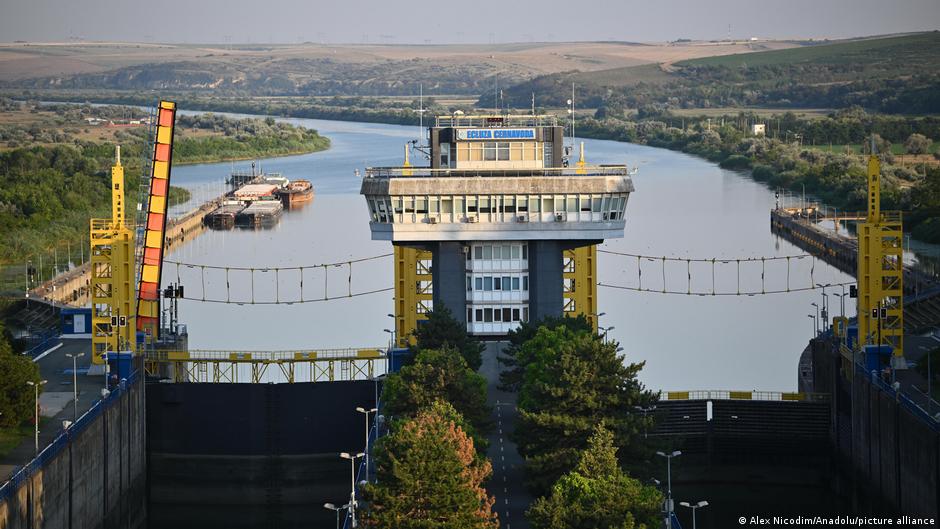
Romania has fully shut down its only nuclear power plant, Cernavoda, following a significant and ongoing drop in Danube River water levels caused by severe drought. The facility, which typically supplies approximately one-fifth of the nation’s electricity, ceased operations after its second reactor was closed on Thursday, following the shutdown of the first reactor last month.
Plant director Romeo Urjan stated that a restart is not anticipated within the next 10 days. The decision comes despite earlier attempts by Nuclearelectrica, supported by the Navy, to direct more water to the plant by strategically depositing rocks from an exposed outcrop onto the riverbed. These measures proved insufficient against the persistent dry weather and sinking water levels.
In response to the energy shortfall, Romania’s Energy Ministry is procuring alternative power sources, including wind energy and imports. The ministry has appealed for responsible consumption and warned that large industrial users may face evening restrictions as a last resort to conserve electricity. Major carmakers Ford and Dacia have already paused production until 19 August to reduce demand.
Simultaneously, Hungary is implementing emergency measures to maintain operations at its Paks nuclear plant, which normally provides half of the country’s electricity generation. Currently, only one of Paks’ four reactors is operational. Hungarian Prime Minister Peter Magyar visited the site to confirm the construction of a low weir and the sinking of two 80-metre barges to raise water levels in front of the plant’s cooling system by more than a metre.
Soldiers are working around the clock on the weir construction, which is expected to be completed in four weeks. The project aims to create a permanent damming effect, with authorities planning to sink the barges end-to-end initially to provide immediate relief. This follows a near-shutdown incident nine days prior, when water levels were marginally higher than forecast, narrowly averting a complete halt in operations.