Robot dogs bring AI crop monitoring into fields and greenhouses
Syngenta and the University of Nottingham are developing a four-legged robot that uses cameras, LiDAR and on-board computing to help detect weeds, pests and possible crop diseases.
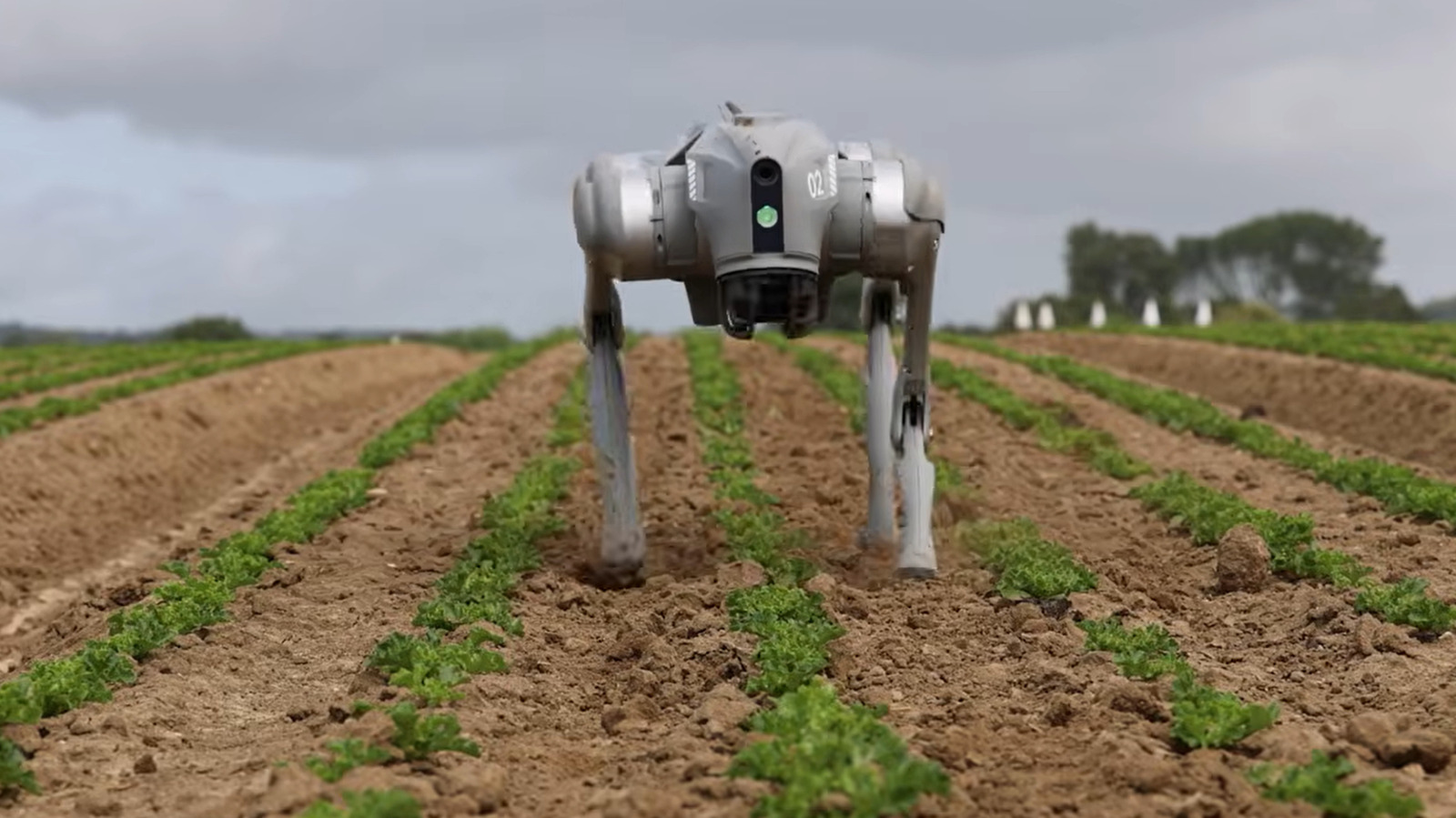
Four-legged robots are being developed as another way to gather crop data, with cameras and AI vision systems intended to help farmers identify weeds, pests and possible diseases. The work addresses gaps in existing monitoring, particularly for greenhouse crops and uneven ground.
Syngenta, working with the University of Nottingham, is developing a robot for field and greenhouse use. It combines high-resolution cameras and LiDAR scanners, which use laser pulses to map surrounding terrain, with on-board computing to run computer vision models locally.
The system’s creators say it can detect weeds and help researchers investigate possible diseases and pests. Those capabilities have not been independently established in the supplied reporting, which also does not set out the robot’s accuracy or adoption.
The machines could complement satellites, drones and manual inspections, rather than replace those tools. Syngenta’s Rob Lind described the robot as an additional imaging platform within a wider mix of technologies and human processes.
Labour effects remain uncertain. DEEP Robotics said its robot could reduce grape farmers’ manual workload in China’s Turpan region by 70 per cent, a company claim that the reporting does not independently verify. The broader use of robots for inspections could affect demand for physical farm work, while potentially easing labour-intensive monitoring.
Researchers at several universities are also developing quadruped robots for agriculture. Whether these systems improve crop outcomes or reduce the need for farm workers remains unclear.