RKI estimates 5,120 heat-related deaths in Germany during first half of 2026
The Robert Koch Institute’s latest data indicates that heat-related causes contributed to over 5,000 deaths between January and late June, with the majority occurring in a single week of extreme heat.
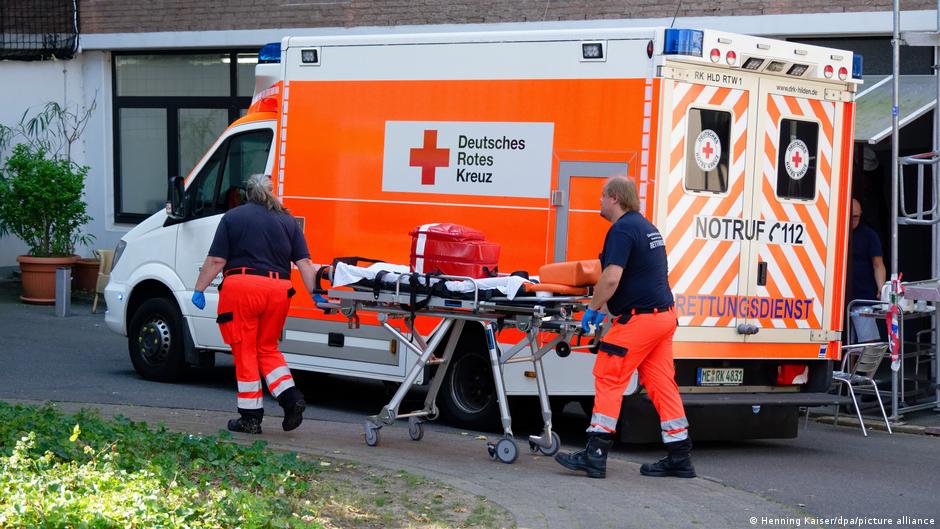
The Robert Koch Institute (RKI) has released estimates indicating that 5,120 people in Germany died from heat-related causes between January and 28 June 2026. This figure is derived from statistical modelling correlating mortality data with temperature records, rather than direct medical attribution of heatstroke. The majority of these deaths, amounting to 4,310, occurred in the final week of June, a period where weekly mortality was nearly 30% higher than historical averages.
The methodology employed by the RKI involves comparing death figures collected by the Federal Statistical Office with temperature trends measured by the German Weather Service. The institute assumes that heat-related deaths occur from a weekly average temperature of 20 degrees Celsius onward. To isolate the impact of heat, researchers modelled how many deaths would have occurred under conditions with temperatures of no more than 20 degrees Celsius, adjusting for confounding factors to arrive at the final estimate.
This estimate stands in stark contrast to historical data from the Federal Statistical Office, which recorded an average of only 21 directly recorded heatstroke deaths per year between 2004 and 2014. Alexandra Schneider, a meteorologist and epidemiologist at Helmholtz Munich, describes the current figure as plausible given the sustained nature of the heatwave. She notes that while she has previously criticized the RKI’s methodology for potentially smoothing out temperature extremes, the consistent high temperatures in June minimised this risk.
Schneider emphasises that focusing solely on heatstroke as a cause of death significantly underplays the impact of high temperatures. Research indicates a strong association between heat and heart attacks, while nighttime heat increases the risk of strokes. Although cold-associated mortality remains higher than heat-associated mortality in Europe, Schneider warns of a slow shift. Modelling suggests that the net effect of climate change will be an increase in total deaths, as the rise in heat-related mortality outweighs any potential decline in cold-related deaths.
The strain on emergency services during the heatwave was significant. Paramedic Jonas Sonnenstuhl reported that during a 24-hour shift on 28 June, the temperature inside the ambulance did not fall below 30 degrees Celsius. He noted that heavy protective clothing and physically demanding work added to the strain on responders, many of whom operate in non-air-conditioned hospital emergency departments. Sonnenstuhl highlighted cases such as a 17-year-old with a congenital heart defect who exhibited signs of being at her physical limit, illustrating the broader health risks posed by extreme heat.