Rivian seeks tens of millions in tariff refunds following Supreme Court ruling
The automaker has filed suit in the US Court of International Trade against the federal government and Customs and Border Protection, citing unconstitutional levies that impacted its supply chain and pricing.
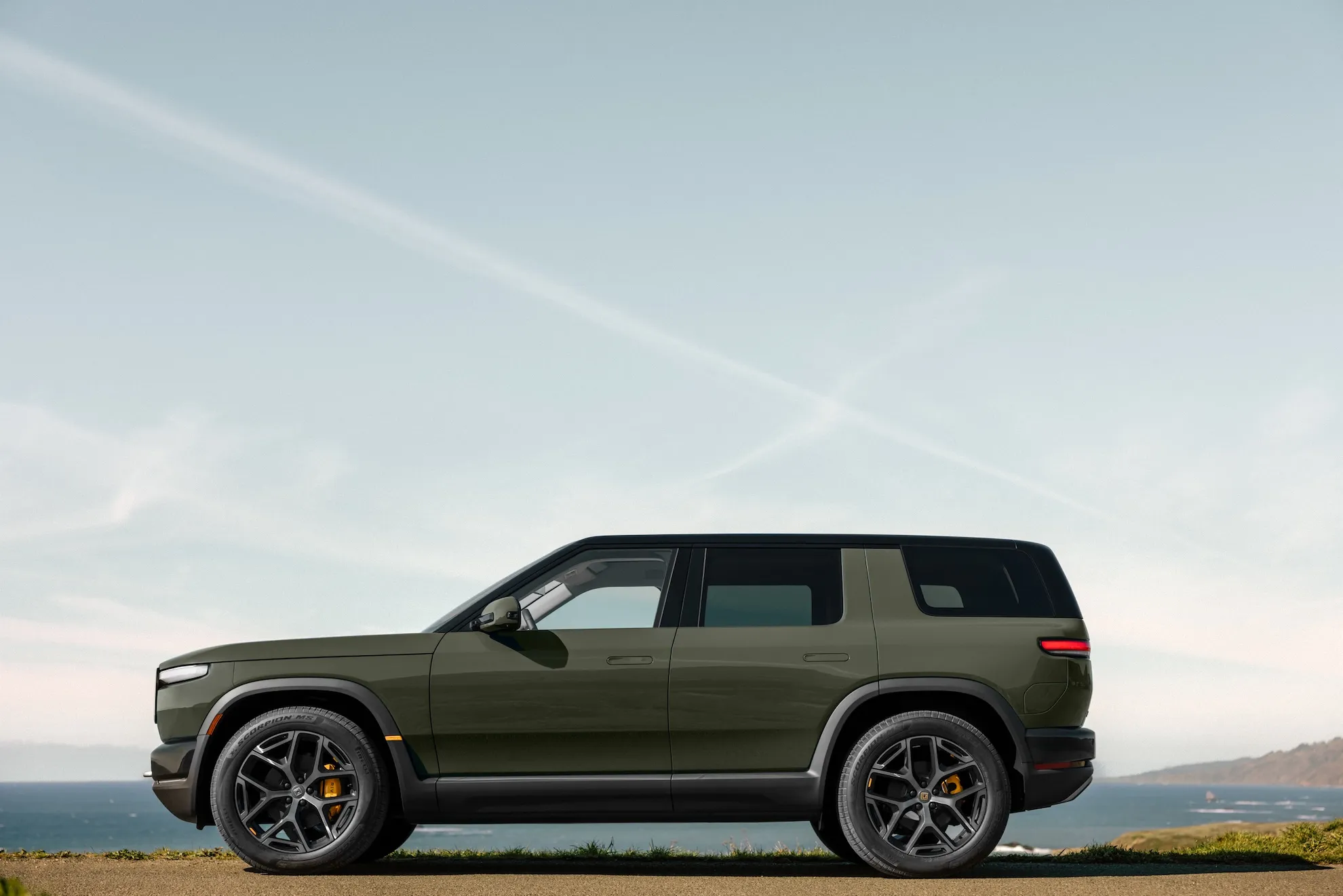
Rivian has initiated legal proceedings in the US Court of International Trade to recover tariffs paid under President Trump’s “Liberation Day” taxes, which the Supreme Court subsequently ruled unconstitutional. The lawsuit, filed on Thursday, names the US government, US Customs and Border Protection (CBP), and CBP commissioner Rodney Scott as defendants. The electric vehicle manufacturer is seeking a full refund of the levies, which it estimates will total in the tens of millions of dollars.
The automaker joins a growing cohort of companies seeking restitution for duties collected under the International Emergency Economic Powers Act (IEEPA). In its complaint, Rivian’s legal team argued that despite the Supreme Court’s invalidation of the tariffs, importers are not automatically guaranteed a refund of amounts previously paid. The company is asking the court to declare the tariffs contrary to law, issue the refund with interest, and cover associated court fees.
Rivian’s financial exposure to these trade measures was highlighted earlier this year when chief financial officer Claire McDonough stated the company expected to reap a refund in the tens of millions of dollars. CEO RJ Scaringe previously noted that the tariffs initially increased vehicle costs by a couple of thousand dollars, though the company had mitigated the impact to the low hundreds of dollars by the end of 2025 through operational adjustments.
The legal action comes as Rivian navigates a critical phase in its capital structure and product rollout. The company recently sold shares to raise approximately $1.3 billion to bolster its cash balance while it rolls out its first mass-market SUV, the R2. Rivian expects to ship between 20,000 and 25,000 units of the R2 by the end of this year, with profitability potentially not being reached until 2028 due to heavy investment in autonomous vehicle development.
While CBP has accepted over $121 billion in potential and certified refunds for processing, the agency did not comment specifically on Rivian’s lawsuit. However, the Cato Institute reported earlier this month that only $71 billion had been paid out, suggesting significant friction in the refund process. A regulatory filing earlier this year warned that retaliatory trade practices could harm Rivian’s ability to obtain raw materials and sell products at prices customers are willing to pay.