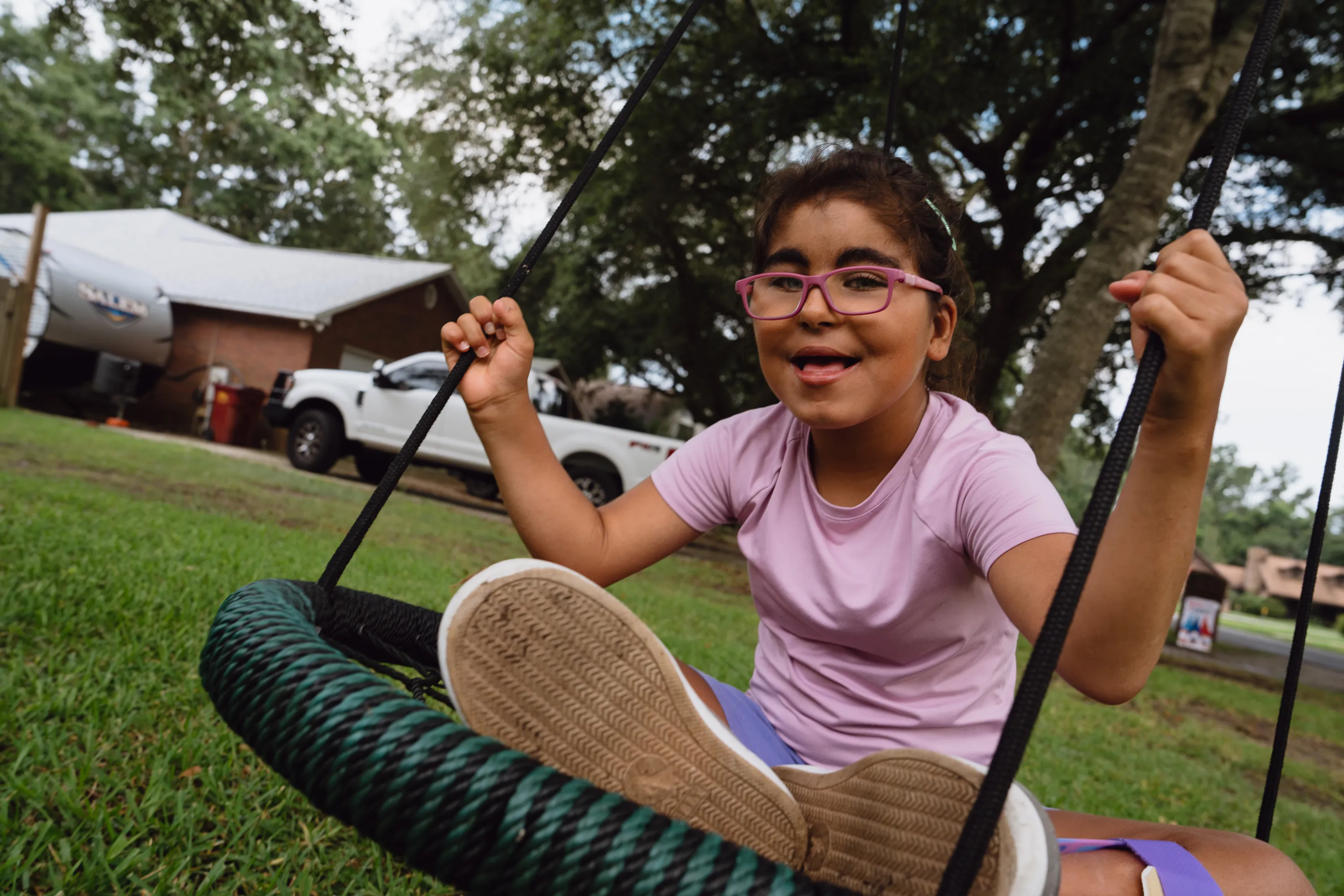
Rising Refusal of Vitamin K Shots Linked to Newborn Deaths
A significant increase in parents declining the standard vitamin K injection at birth has led to a rise in severe bleeding and deaths among newborns in the US.
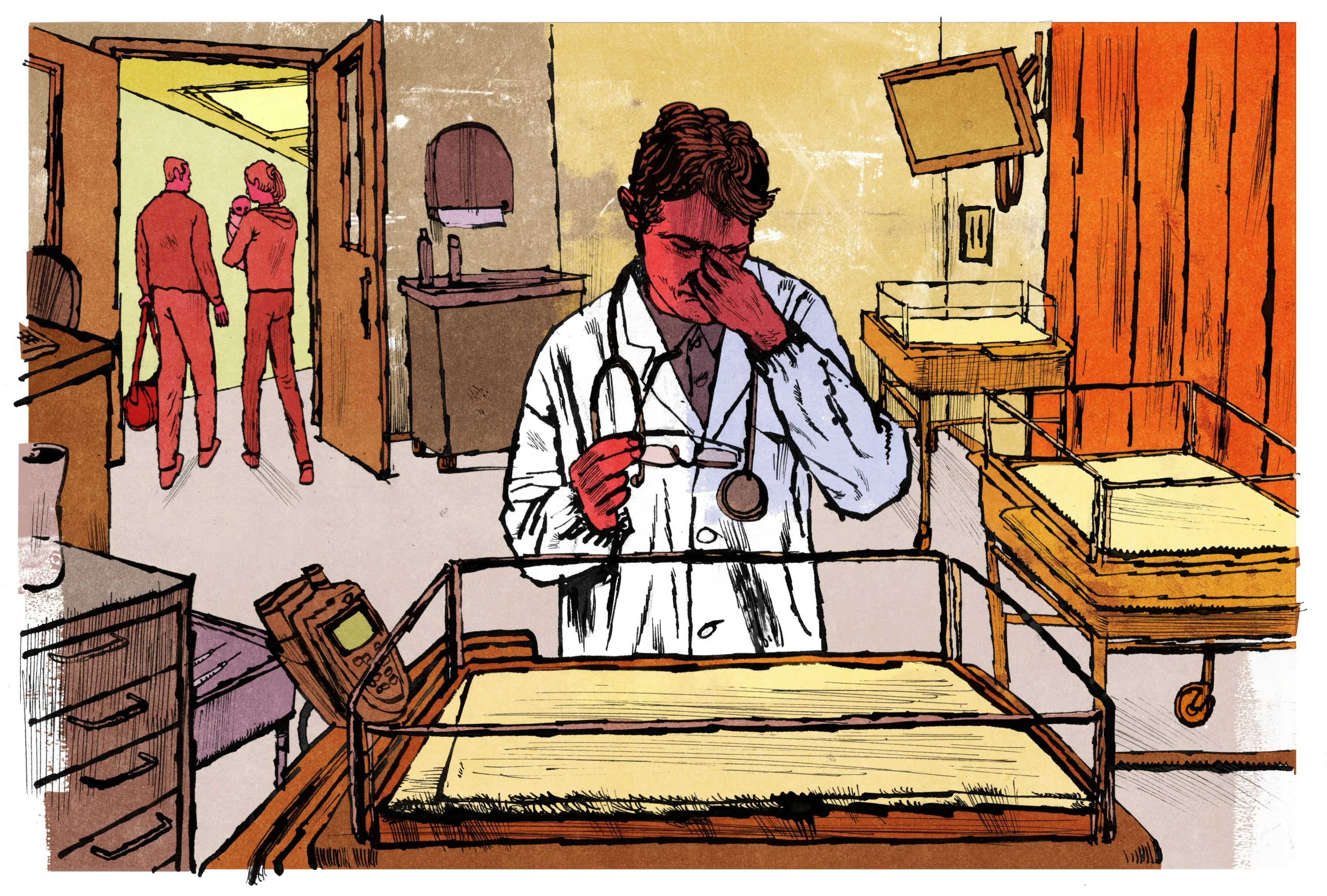
A documented increase in severe bleeding and fatalities among newborns correlates with a sharp rise in parents declining the standard vitamin K injection at birth. Medical experts warn that rejecting this safe, inexpensive intervention is causing fatal vitamin K deficiency bleeding, a condition that could have been prevented with the shot. Despite strong recommendations from the CDC and the World Health Organization, federal agencies have not systematically tracked injection refusals or subsequent bleeding outcomes.
Refusal rates have more than doubled since 2017, reaching over 5% in 2024, according to a national study of more than 5 million births published in December. This surge is driven largely by anti-vaccine sentiment and misinformation circulating on social media. Although the vitamin K shot is not a vaccine, it has been swept up in the same post-pandemic tide that has led to a drop in key childhood vaccines. Families are often influenced by self-proclaimed experts using medical terms incorrectly to convince parents that getting the shot could put their newborns at risk of grave harm.
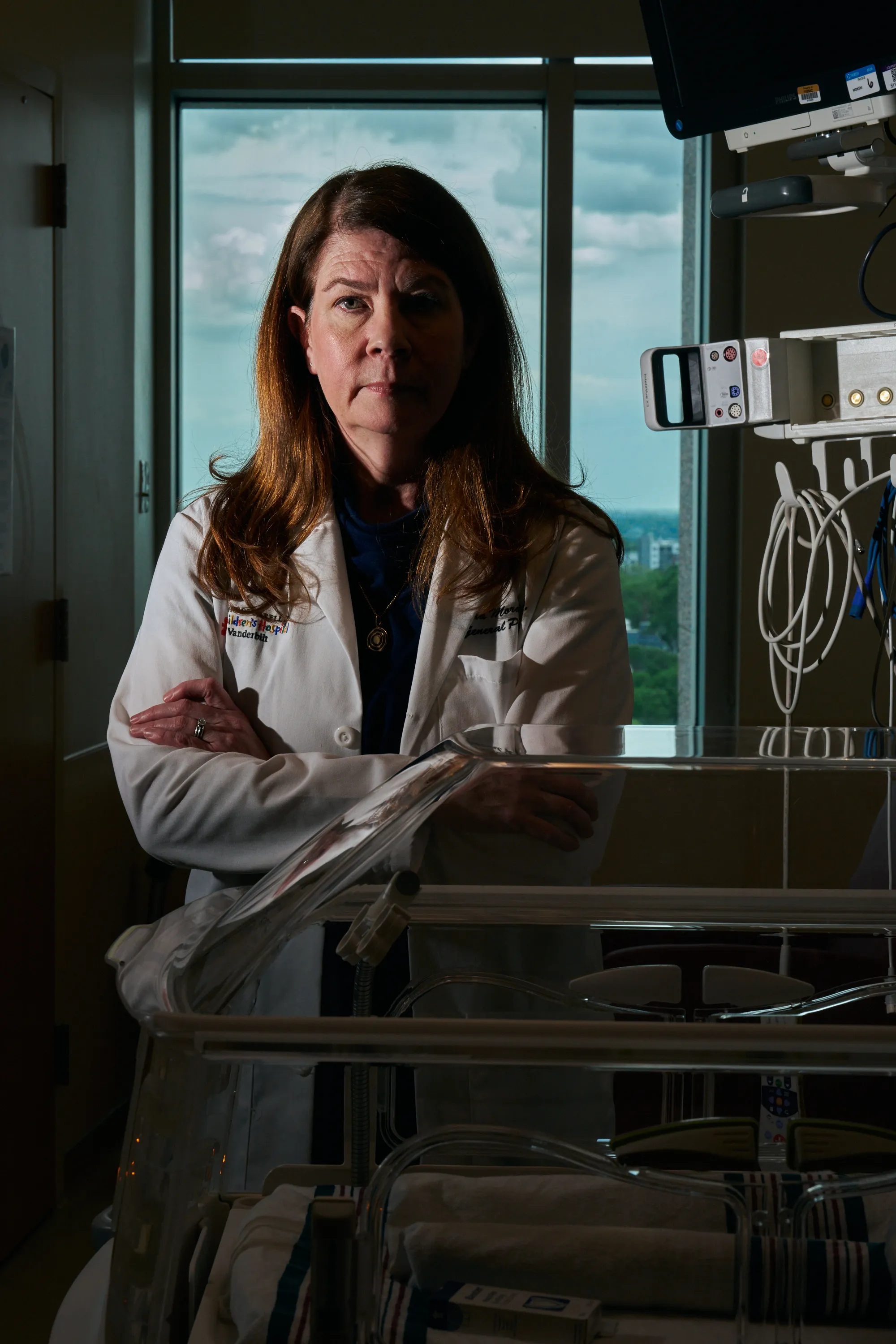
Data from specific hospital systems indicates that refusal rates have jumped significantly in recent years. At St. Luke's Health System, refusals rose from 3.8% in 2020 to 9.8% in 2025, with one hospital reaching 20%. Hospital officials at St. Luke's confirmed that at least two babies treated there died within the last year from complications related to vitamin K deficiency bleeding. While doctors suspect the actual number of deaths is higher, the lack of systematic tracking prevents a precise quantification of the total impact.
Federal officials confirmed that vitamin K deficiency bleeding has never been submitted for consideration as a notifiable condition. This means state and federal agencies do not track data around injection refusal or subsequent bleeding, which impedes their ability to monitor the trend. Dr. Robert Sidonio Jr. and other specialists are calling for VKDB to be made a reportable health condition to enable systematic monitoring. Without this change, the full scope of the crisis remains obscured.
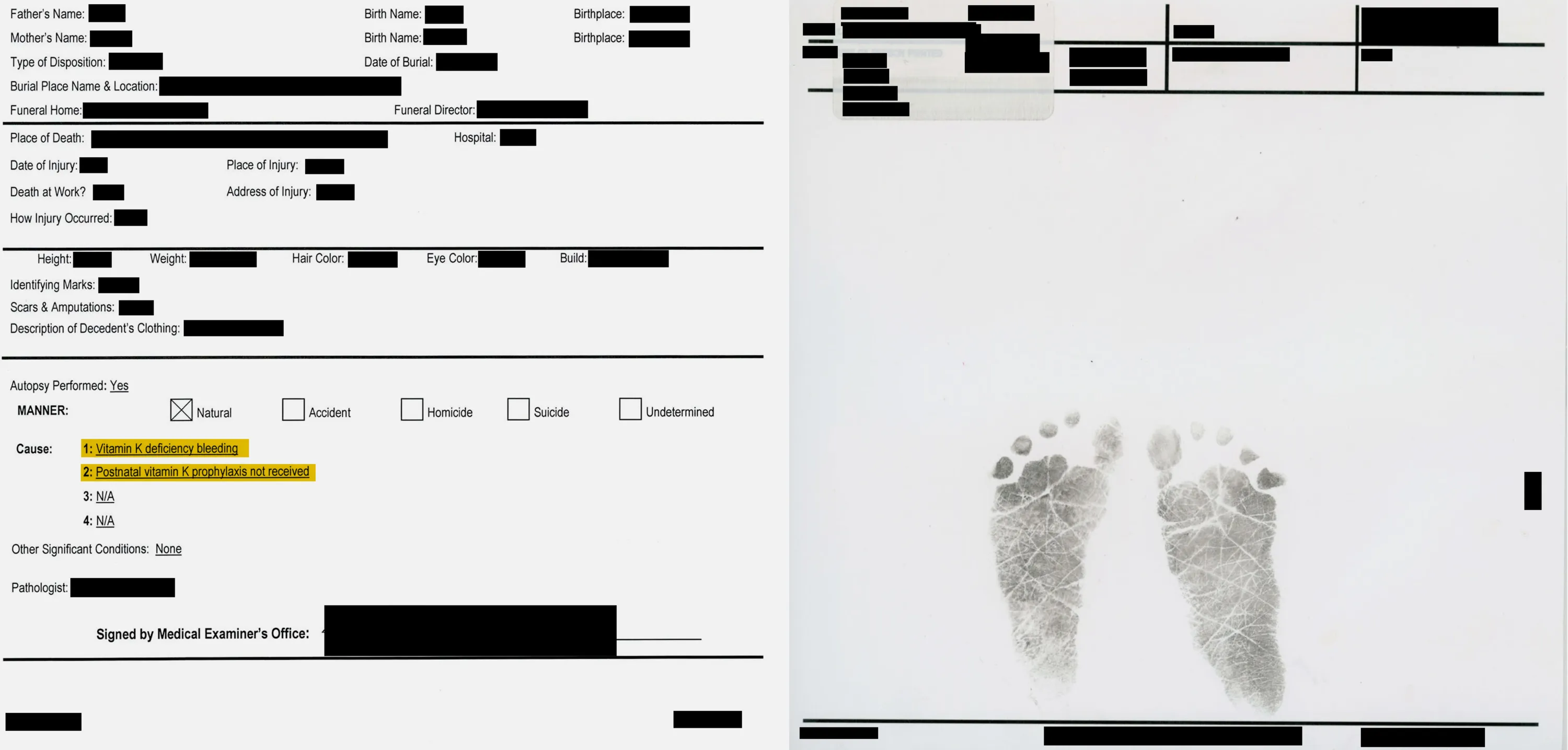

The risk of vitamin K deficiency bleeding for babies who do not receive the shot ranges from 1 in 14,000 to 1 in 25,000 births, whereas the risk drops to less than 1 in 100,000 with the injection. Research shows that 1 in every 5 babies with vitamin K deficiency bleeding will die. Many more babies survive the bleeding but suffer massive brain bleeds and lasting injuries. The lack of data is almost acting like a reassurance for families that this risk is worth taking.
ProPublica contacted 55 hospitals and birthing centers around the US and filed nearly 90 public records requests to gather information. While some hospitals have started to run their own numbers, the effort is scattershot and the data is usually kept in-house. This fragmentation prevents a wider knowledge of the problem and hinders coordinated responses to the rising number of infants affected by the refusal of a fundamental public health intervention.